There is a quiet curiosity that often accompanies numbers in real estate—especially when they reach a certain height. One million dollars, once spoken of as a distant threshold, now feels like a question more than a conclusion. What does it truly hold? What kind of life, space, or possibility unfolds within that figure today?
In Indiana, that question takes on a particularly grounded shape. Unlike the towering price tags of coastal cities, the state offers a different interpretation of value—one where space stretches a little further, and where homes carry a sense of openness that feels increasingly rare elsewhere. A recent look at properties listed around the $1 million mark reveals not extravagance in the conventional sense, but a quieter form of abundance.
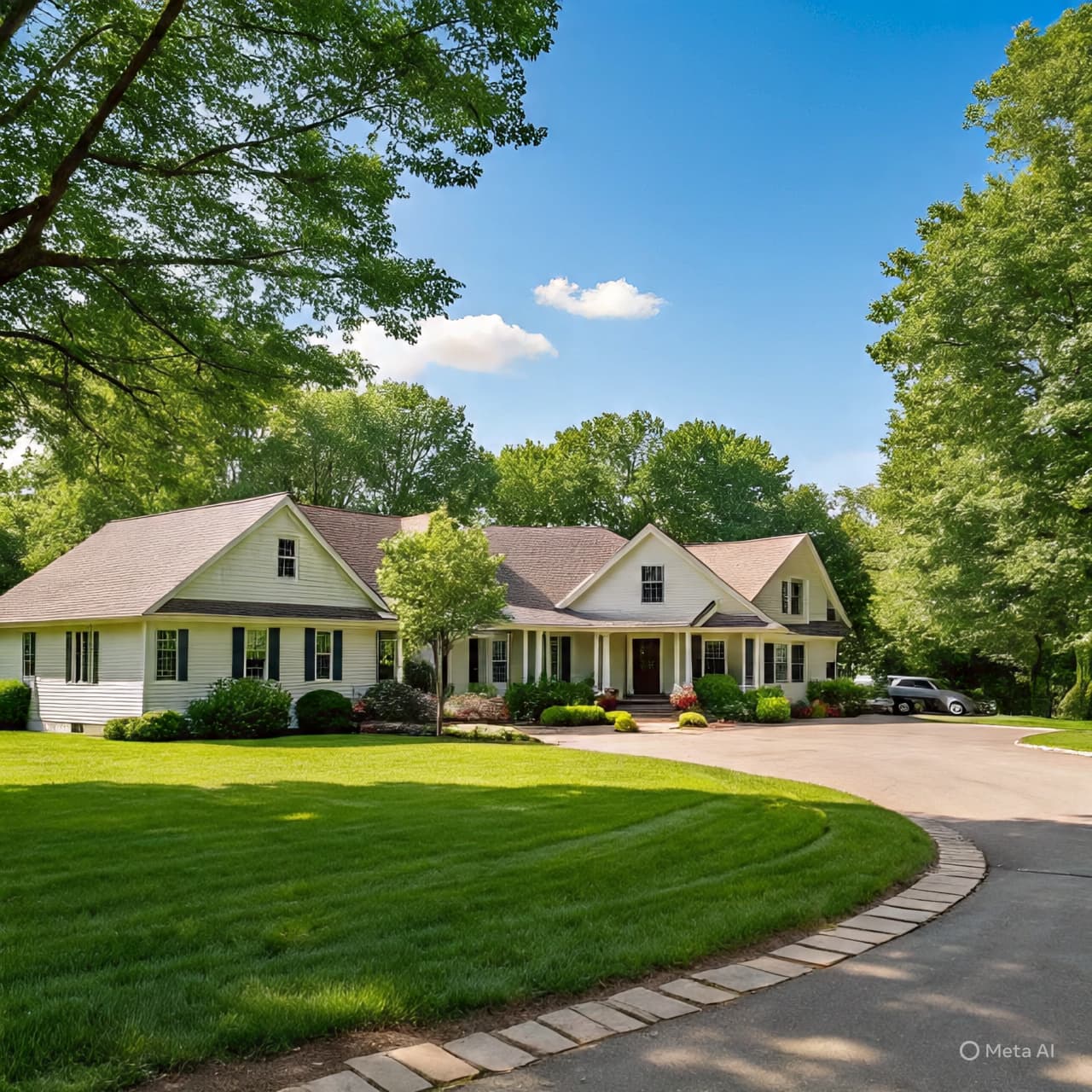
Across cities and suburban areas, these homes often feature expansive square footage, multiple bedrooms, and sizable plots of land. Some include custom-built details—wide porches, landscaped yards, and interiors designed with both comfort and function in mind. Others reflect newer construction, blending modern amenities with a sense of calm that comes from less density and more room to breathe.
Yet, what stands out is not only the physical space, but the context in which it exists. In Indiana, $1 million does not simply purchase a house; it often secures a certain pace of life. Neighborhoods tend to be less crowded, distances more manageable, and the surrounding environment more connected to everyday routines. It is a version of value that extends beyond architecture into experience.
Comparisons, inevitably, shape this perspective. In larger metropolitan markets, the same budget might offer a smaller footprint, sometimes limited to apartments or compact homes. Indiana’s market, by contrast, reflects regional differences in demand, cost of living, and development patterns. These differences do not suggest better or worse, but rather illustrate how value shifts depending on where one stands.
The five homes highlighted in current listings each tell their own variation of this story. One might emphasize land and privacy, another architectural detail, and another proximity to urban centers. Together, they form a collective snapshot of what $1 million represents in this part of the United States—diverse, practical, and quietly aspirational.
There is also a subtle shift in how buyers approach such properties. Increasingly, considerations extend beyond the home itself to include flexibility—spaces for remote work, outdoor living, and long-term adaptability. In this way, the definition of value continues to evolve, shaped by changing lifestyles as much as by market conditions.
Still, the number remains the same, even as its meaning changes. One million dollars is no longer a universal measure of luxury, but a lens through which regional character becomes visible. In Indiana, it reveals a market where space and simplicity continue to hold their place.
Recent listings across Indiana show a range of homes priced around $1 million, reflecting broader trends in U.S. housing markets. Property availability and pricing remain subject to change based on demand, location, and economic conditions.
AI Image Disclaimer Images in this article are AI-generated illustrations, meant for concept only.
Source Check (Credible Media Identified):
Zillow Realtor.com CNBC The Wall Street Journal Business Insider
Published by Banx Network. This article is part of the Banx decentralized media programme, powered by the BXE token on the XRP Ledger.