In the complex dance of international trade and national identity, consumer choices often become symbols of broader political sentiments. Recently, Manitoba Premier Wab Kinew addressed the potential return of American alcohol to provincial store shelves, urging Canadians to "leave it there" even if it becomes available again. This statement reflects a deep-seated desire to support domestic industries and maintain economic sovereignty in the face of fluctuating trade relations with the United States. It is a call for solidarity, framed not as a mandate but as a moral appeal to community values.
The context for this advice stems from ongoing trade tensions and tariff threats that have strained the relationship between Canada and its southern neighbor. In response, several provinces, including Manitoba, had previously removed U.S. products from their liquor stores as a form of economic protest. While negotiations continue and the possibility of reinstating these products looms, the Premier’s message emphasizes the power of the purse. By choosing Canadian-made beverages, consumers can directly support local farmers, distillers, and brewers.
For many Manitobans, this is more than a political stance; it is a matter of pride. The province has a rich history of agricultural production and craft beverage creation, industries that thrive on local support. When residents choose domestic products, they contribute to the sustainability of rural communities and the preservation of traditional crafts. This choice reinforces a sense of self-reliance and cultural distinctiveness that resonates deeply in the Prairie provinces.
However, the decision to boycott or buy is ultimately personal. Some consumers may prioritize price or variety over origin, while others view their purchases as a vote for specific policies. The Premier’s comments acknowledge this autonomy, offering guidance rather than coercion. He suggests that even if U.S. products return due to trade agreements, the spirit of the boycott can persist through individual choice. It is a gentle reminder that economic actions have social consequences.
The liquor industry itself faces uncertainty during such periods. Retailers must navigate changing inventory lists and consumer preferences, balancing supply chain logistics with public sentiment. For them, the Premier’s statement adds a layer of complexity to their operations, requiring clear communication with customers about product origins and availability. Yet, it also offers an opportunity to highlight local brands and educate shoppers about the benefits of buying local.
Internationally, such consumer movements send a signal to trading partners. They demonstrate that economic relationships are not just about government contracts but also about public opinion. A sustained preference for domestic goods can influence future trade negotiations, encouraging partners to consider the social impact of their policies. It is a soft power tool, wielded by everyday citizens in the aisles of grocery and liquor stores.
As the situation evolves, the focus remains on supporting Canadian workers and businesses. The Premier’s advice is rooted in a vision of economic resilience, where local industries are strengthened through collective action. Whether U.S. booze returns or not, the message encourages a long-term shift in habits that could benefit the provincial economy for years to come. It is an invitation to invest in one’s own community.
In the end, the choice of what to buy is a reflection of values. For Manitobans, the Premier’s words serve as a prompt to consider the broader impact of their spending. By leaving U.S. products on the shelf, they affirm their commitment to local prosperity and national unity. It is a small act with significant meaning, woven into the fabric of daily life.
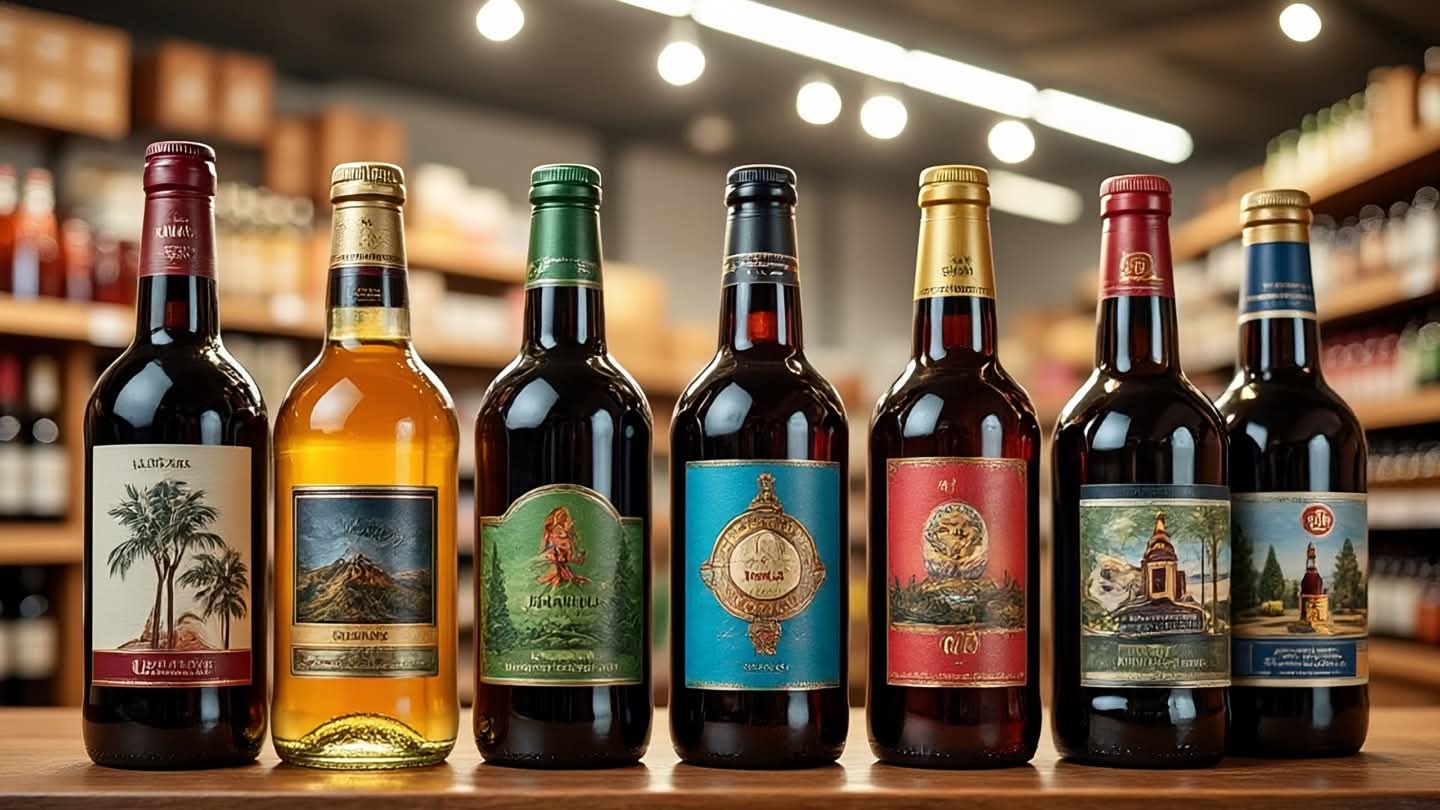
AI Image Disclaimer: The visual elements in this article are AI-generated illustrations depicting liquor store shelves and abstract representations of Canadian agriculture, designed to reflect the themes of consumer choice and local support without showing real brand logos or proprietary retail footage.
Sources: CBC News, CTV News Winnipeg, Global News, The Globe and Mail
Published by Banx Network. This article is part of the Banx decentralized media programme, powered by the BXE token on the XRP Ledger.