When a province considers redrawing the lines of its place in a nation, the questions that follow often reach far beyond constitutions and currencies. They touch the bedside, the clinic, and the quiet conversations between a doctor and a patient who trusts that care will continue. In Alberta, a survey of physicians has offered a glimpse into what separation might mean for the people who deliver that care—and for those who depend on it.
A survey by the Alberta Medical Association (AMA) has found that 55 percent of physicians would stop practising in Alberta and move to another province or territory if the province separates from Canada. Only 15 percent said they would continue living and practising in an independent Alberta, while 18 percent were uncertain about what they would do. A small number said they would retire or leave medicine earlier than planned.
The survey, conducted among 1,649 physicians, was released in a letter from AMA president Dr. Heidi Fell as advance voting began ahead of a referendum scheduled for October 19. The referendum includes a question on whether Alberta should remain in Canada or hold a second, binding referendum on leaving.
Dr. Fell framed the survey not as a political statement but as a practical concern. "As Albertans prepare to vote, the AMA is focused on an important question," she wrote. "What could the referendum outcomes mean for patients, physicians and Alberta's health-care system?". She noted that an independent Alberta would face questions about how to replace the $7 billion in federal health transfer funds it currently receives, and how to maintain access to medicines, equipment, and medical services.
The AMA has also raised concerns about the effects of proposed immigration questions on health care. Dr. Fell said she wrote to the province's health ministers asking what physicians should do when a patient needs necessary care but their eligibility cannot be immediately confirmed. "Our position is straightforward: uncertainty about coverage should not unnecessarily delay care, and physicians and their staff should not be placed in the position of determining or enforcing a patient's immigration or coverage status," she said.
The office of Hospitals Minister Adriana LaGrange said it is reviewing the association's letter and that it would be inappropriate to speculate on the referendum's outcome or any policy changes that might follow.
For patients in Alberta, the survey's findings may feel abstract until they are not—until the doctor who has managed a chronic condition for years is no longer there, until a clinic that once had a waiting list finds itself with none. The AMA has emphasized that the survey reflects doctors' stated intentions rather than a forecast. Yet at a time when access to care and health workforce capacity are already pressing concerns, the perspectives of those who deliver that care carry weight.
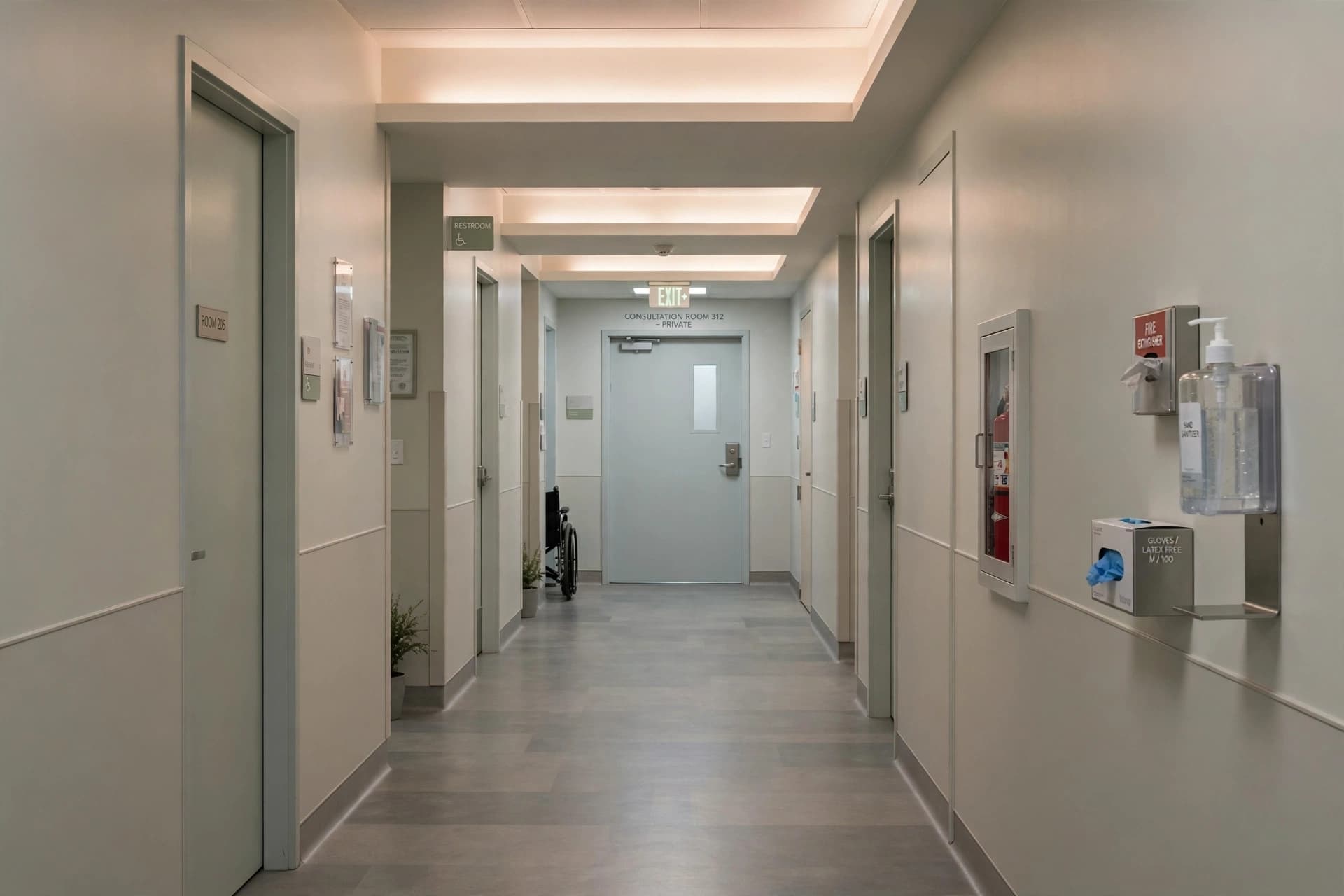
The illustrations in this report are AI-generated and serve only as visual aids.
Sources: CBC News, The Canadian Press, The Globe and Mail, Calgary Sun, Red Deer Advocate, CTV News
Published by Banx Network. This article is part of the Banx decentralized media programme, powered by the BXE token on the XRP Ledger.