There are times when distant decisions — like the faint call of a bell from across a wide valley — reverberate almost immediately into the plain below, reshaping the terrain in quiet, unforeseen ways. Such has been the case in recent days with the growing conflict in the Middle East, where military actions have not only illuminated fault lines but also raised deeper questions about motives and alliances. In Washington and beyond, statements from senior officials have cast new light on why the United States launched its own strikes against Iran, suggesting that the timing and rationale were closely tied to actions planned by a close ally.
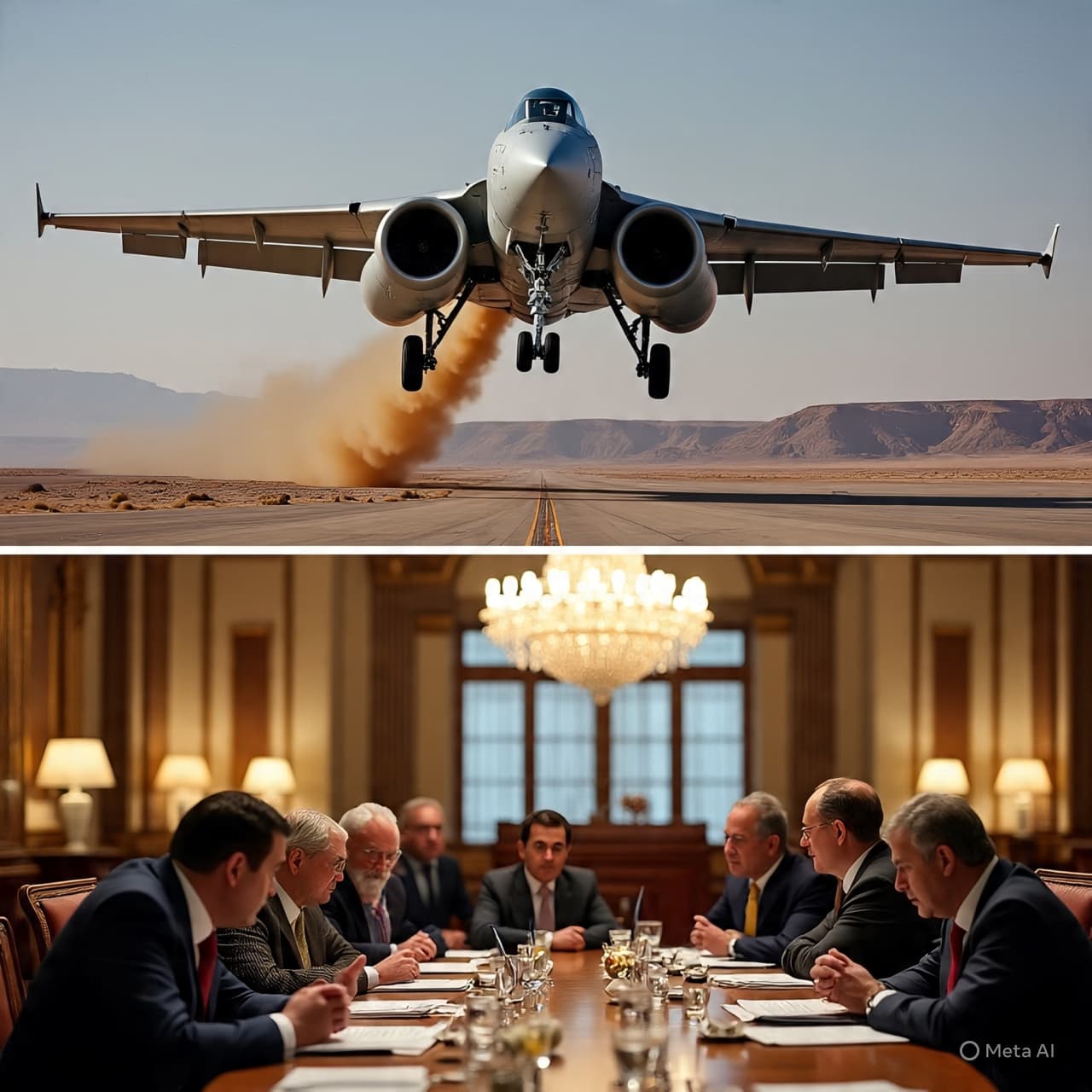
U.S. Secretary of State Marco Rubio told reporters that American forces carried out pre-emptive strikes on Iranian targets after learning that Israel was preparing its own military operation against Iran. According to Rubio, U.S. intelligence assessed that such an Israeli action would almost certainly trigger retaliation from Tehran, including attacks potentially directed at U.S. military personnel and facilities in the region. The decision, he said, was taken to prevent higher casualties among American troops by striking first rather than waiting for a retaliatory blow.
This framing — of action taken to protect lives — resonated powerfully in some circles, especially among policymakers seeking to explain a dramatic escalation in hostilities. President Trump echoed this broad theme, describing the strikes as necessary to address an “imminent threat” posed by Iran’s military capabilities, even though specific intelligence details supporting that claim were not publicly disclosed.
Yet these explanations have not gone unchallenged. Critics in Congress and on the international stage have questioned whether the threat was as clear and immediate as suggested, noting that U.S. intelligence did not publicly indicate a direct and imminent strike by Iranian forces before the joint operations began. For some analysts, this raised broader concerns about the legal and strategic foundations for the use of force.
In Tehran, Iranian officials rejected the notion that any credible threat had justified the U.S. strikes. The Iranian foreign minister described the military action as an “unprovoked war of choice,” attributing the escalation to broader geopolitical alliances and policy preferences, rather than to urgent battlefield necessities. This sharp contrast in narratives reflects the deep mistrust between the parties and highlights how different actors perceive the same events through radically different lenses.
The clash between these interpretations also speaks to a larger question facing world leaders: how to balance the imperative of defending national interests with the legal and moral frameworks that govern international conduct. Under international law, the right to use force in self-defense is typically contingent on facing an actual armed attack or a clearly imminent one — not merely the possibility of future hostilities. Legal scholars argue that pre-emptive military actions require carefully substantiated evidence, particularly when they risk broadening conflicts in volatile regions.
For residents across the Middle East, where the consequences of these decisions are most immediate, the human cost continues to unfold. Airstrikes and counterstrikes have already caused significant loss of life, displacement, and disruption, leaving families and communities caught in the crossfire of strategic decisions made far from their doorsteps. As debates over justification and strategy persist in capitals around the world, the reality on the ground remains one of casualty, fear, and uncertainty.
In this complex and unfolding chapter, the perspectives put forth by leaders like Rubio add another layer to the evolving story — one in which the interplay of alliances, perceived threats, and choices about timing have shaped the course of a conflict with implications far beyond any single battlefield. Whether history will judge these decisions as prudent or provocative may depend not only on who fired first, but on how lasting the consequences become.
AI Image Disclaimer Visuals are created with AI tools and are not real photographs.
Sources Based on Source Role Reuters – Rubio says U.S. attack was prompted by planned Israeli action and aimed to prevent retaliation. The Guardian – Expanded reporting on Rubio’s statement and reactions. Washington Post – Iranian official denounces the U.S. strike as unprovoked. AP News – Briefings indicated intelligence did not show imminent Iranian strike before attacks. Le Monde – Legal analysis on international law and justification for strikes.
Published by Banx Network. This article is part of the Banx decentralized media programme, powered by the BXE token on the XRP Ledger.