There’s a kind of quiet curiosity in the way human beings approach their own wellbeing — a gentle tug toward understanding that what sustains the heart is often more subtle than headlines suggest. Over decades, we’ve argued about fats and carbohydrates, low-carb against low-fat, granola bars versus steak. But life, much like a long road, rewards patience in observation and humility in interpretation. A towering new study tracking nearly 200,000 adults for about 30 years invites us to look past the old dichotomy of low-carb versus low-fat. Instead of asking which macronutrient is “best” in a vacuum, researchers from public health institutions including Harvard focused on the quality of what people actually eat. What emerged, time and again, was a theme that feels both timeless and surprisingly modern: whole, nutrient-dense foods — colorful vegetables, whole grains, legumes, and healthy fats — held more sway in promoting heart health than merely cutting carbohydrates or fats.
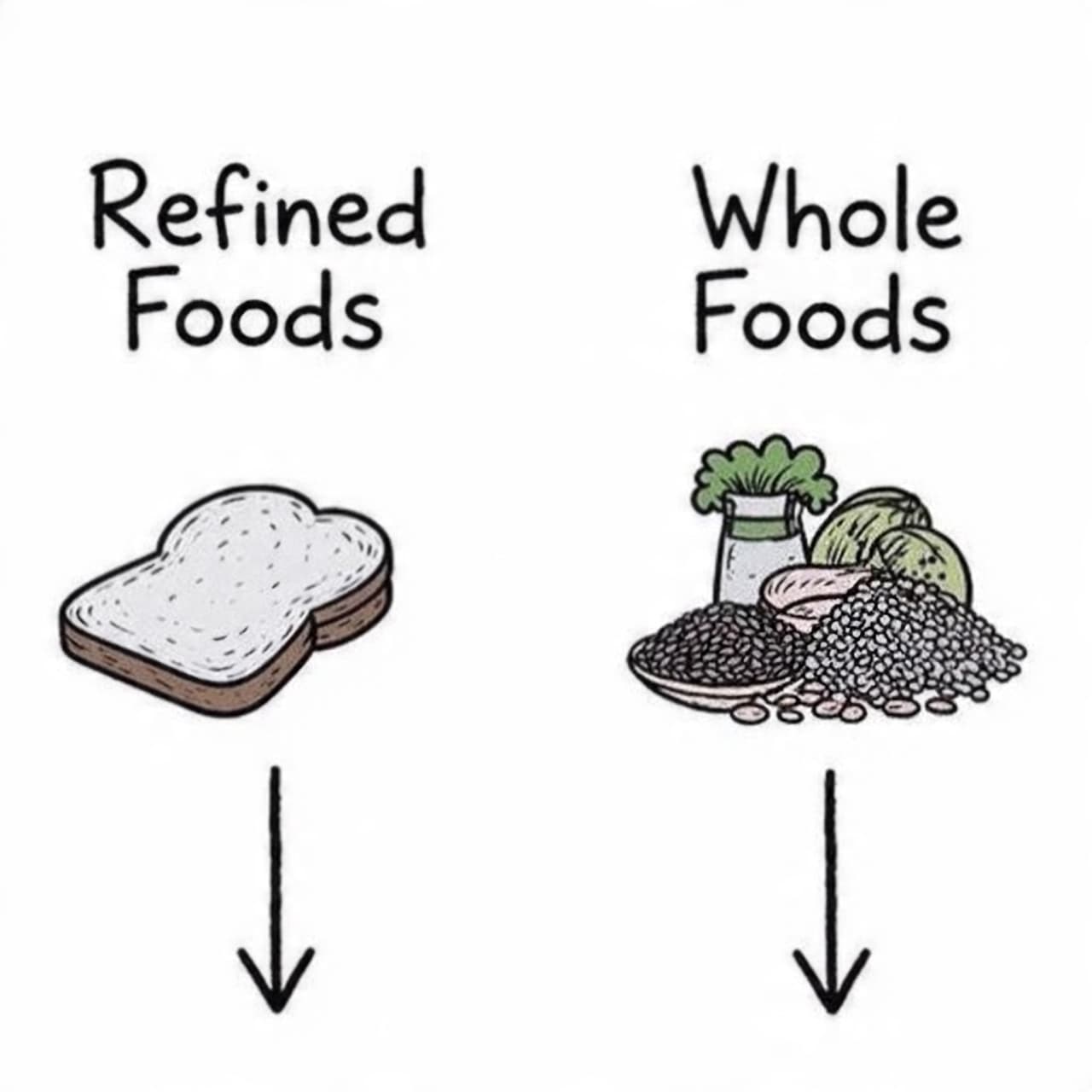
In practical terms, this means that a diet defined only by narrow ratios — fewer carbs here, fewer fats there — misses the forest for the trees. Those who emphasized minimally processed foods enjoyed better lipid profiles and lower markers of inflammation, both key factors in cardiovascular risk, than those whose diets were heavily built on refined products and animal fats, even if they technically fit “low-carb” or “low-fat” labels.
Cardiologists involved with the research see this shift as a meaningful evolution in nutrition science. The old pendulum swing between dietary camps obscured a deeper truth: foods are more than assemblies of macronutrients; they carry context — fiber, antioxidants, micronutrients — that interlace with our metabolism in complex ways. In other words, how we nourish our bodies with real, varied foods may be as important as the percentages on a nutritional label.
This emphasis on food quality dovetails with a broader body of evidence showing the benefits of plant-forward eating patterns. For example, studies repeated over years consistently find that diets rich in whole plant foods — and low in ultra-processed products — correspond with lower risks of cardiovascular disease and its precursors. Even when individuals follow versions of low-carb or low-fat regimens, the heart seems to fare best when whole grains, leafy vegetables, legumes, and unsaturated fats dominate the plate.
Some nutrition experts, however, caution that the new findings don’t suggest ignoring macronutrient balance entirely. Rather, they encourage flexibility: rather than rigidly counting carbs or fats, people might focus on reinforcing patterns that sustain heart-protective nutrients and reduce inflammatory triggers commonly found in highly processed foods.
For decades, we’ve tried to distill heart health down to a few magic numbers — a diet of this percentage, a food with that label. Yet perhaps the lesson is softer and more human: the heart thrives on quality, variety, and patterns that honor the body’s long journey toward resilience.
In straightforward terms, a major long-term study shows that both low-carbohydrate and low-fat diets can be associated with lower coronary heart disease risk if they emphasize high-quality, nutrient-dense foods such as vegetables, whole grains, and healthy fats. Conversely, versions focused on refined carbohydrates and animal-based fats appeared less protective.
AI Image Disclaimer Graphics are AI-generated and intended for representation, not reality.
Sources BBC News The Guardian CNN The New York Times Reuters
Published by Banx Network. This article is part of the Banx decentralized media programme, powered by the BXE token on the XRP Ledger.