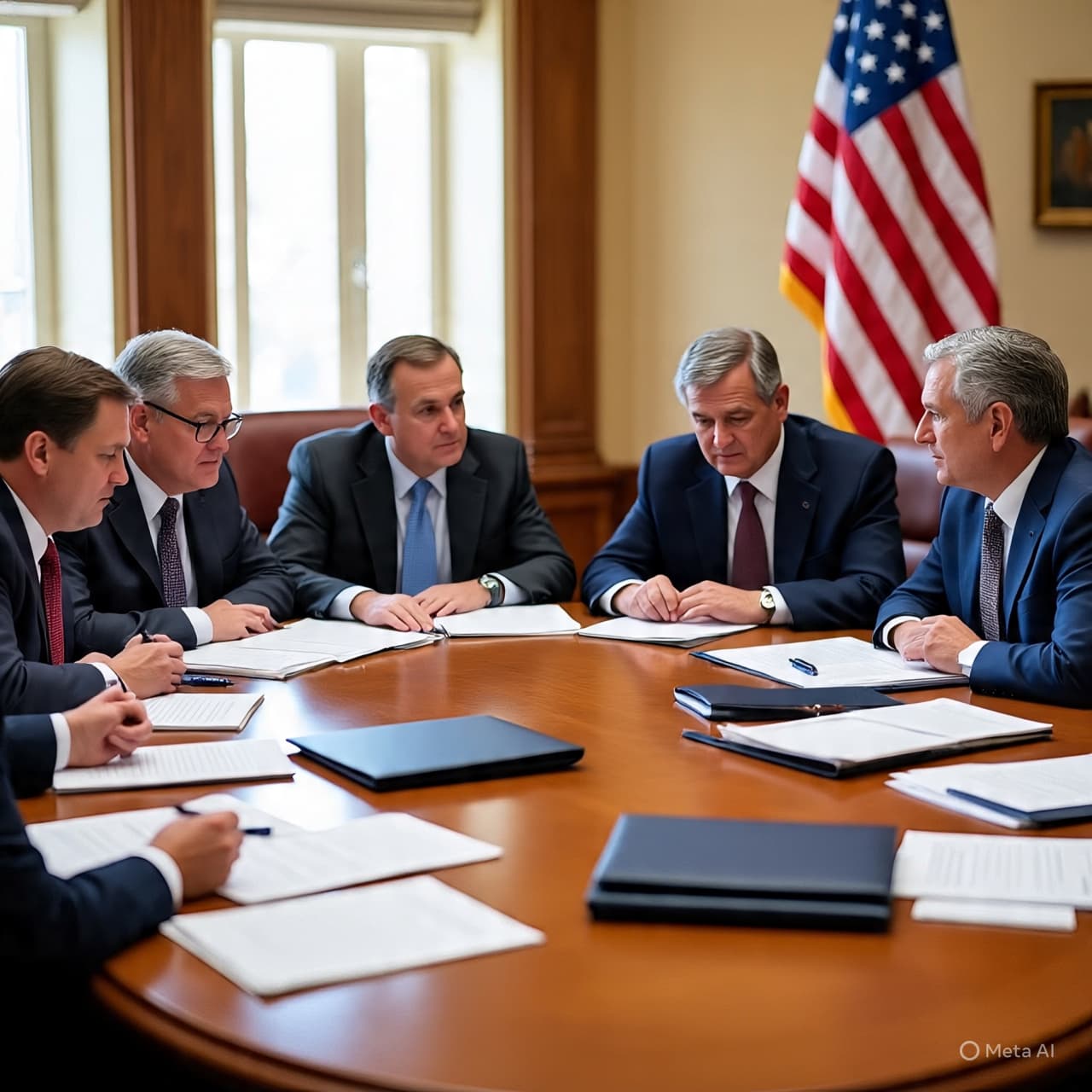
Article In the slow waltz of daylight over the Capitol dome, where marble whispers and conversations carry like distant tides, Washington finds itself at another quiet junction of urgency and contemplation. As winter coats swirl across the National Mall and staffers shuffle through appropriations documents, a question lingers in the chill: when does funding become a pivot between safety and stasis? For weeks now, lawmakers have been threading fiscal negotiations through the eye of a very narrow needle, mindful of the ticking clock that could dim the lights on federal operations.
In recent days, Senate Democratic Leader Chuck Schumer and a cohort of his colleagues have signalled they will withhold support for legislation that includes funding for the Department of Homeland Security (DHS) unless significant reforms and oversight measures are added. Their stance comes amid growing debate within the party over immigration enforcement practices and recent high-profile incidents involving federal agents. This is not merely a budgetary disagreement, but a reflection of deeper conversations about accountability, public trust, and the values that guide the machinery of governance.
The current package under discussion would provide tens of billions of dollars to DHS, encompassing agencies such as Immigration and Customs Enforcement (ICE) and the Border Patrol. Republicans and some Democratic lawmakers support the proposal as a necessary step to keep the government operating smoothly. Others — particularly those concerned about enforcement practices and the experiences of communities nationwide — argue that without clearer rules and stronger safeguards, continued funding would perpetuate a cycle many find troubling.
For Senate Democrats opposing the current plan, it has become a matter of principle as well as pragmatism. They are pushing for provisions they believe would improve transparency and protections, seeking assurances that funds will be directed in ways that reflect modern expectations of justice and oversight. These conversations are rooted in the democratic process itself: how best to write laws that honor public safety without eroding public confidence.
Yet woven through these deliberations is the unmistakable shadow of another risk — that failure to pass appropriations by the end-of-month deadline could lead to a partial government shutdown. The halls of Congress are no stranger to such brinkmanship, but each time brings its own measure of concern for federal workers, national programs, and ordinary citizens whose lives depend on continuous government services.
As discussions continue in committee rooms and caucus meetings, the country watches with a mix of anticipation and uncertainty, noticing how a disagreement over numbers and priorities can ripple into the routines of everyday life. In these moments, each choice — from the word of a senator to the clause in an appropriations bill — seems to reflect a larger question: how best to balance diligence with continuity in the governance of a diverse nation.
In closing, Senate Democrats have publicly stated they will block a major funding package if it includes Department of Homeland Security funding in its current form, citing concerns over immigration enforcement practices and insufficient oversight. Their position raises the possibility of a partial U.S. government shutdown if negotiators are unable to reach a compromise before the funding deadline later this month. Leaders from both parties continue to engage in negotiations as the clock progresses toward that deadline.
AI Image Disclaimer Visuals are created with AI tools and are not real photographs.
Sources for this article: The Guardian Wall Street Journal Bloomberg MS Now Axios
Published by Banx Network. This article is part of the Banx decentralized media programme, powered by the BXE token on the XRP Ledger.