

Key Highlights
- New Regulations:Capri limits organized tourist groups to 40 people.
- Community Impact:Measures aim to preserve local livability amid tourism pressures.
- Visitor Experience:Guides must use wireless headsets for larger groups.
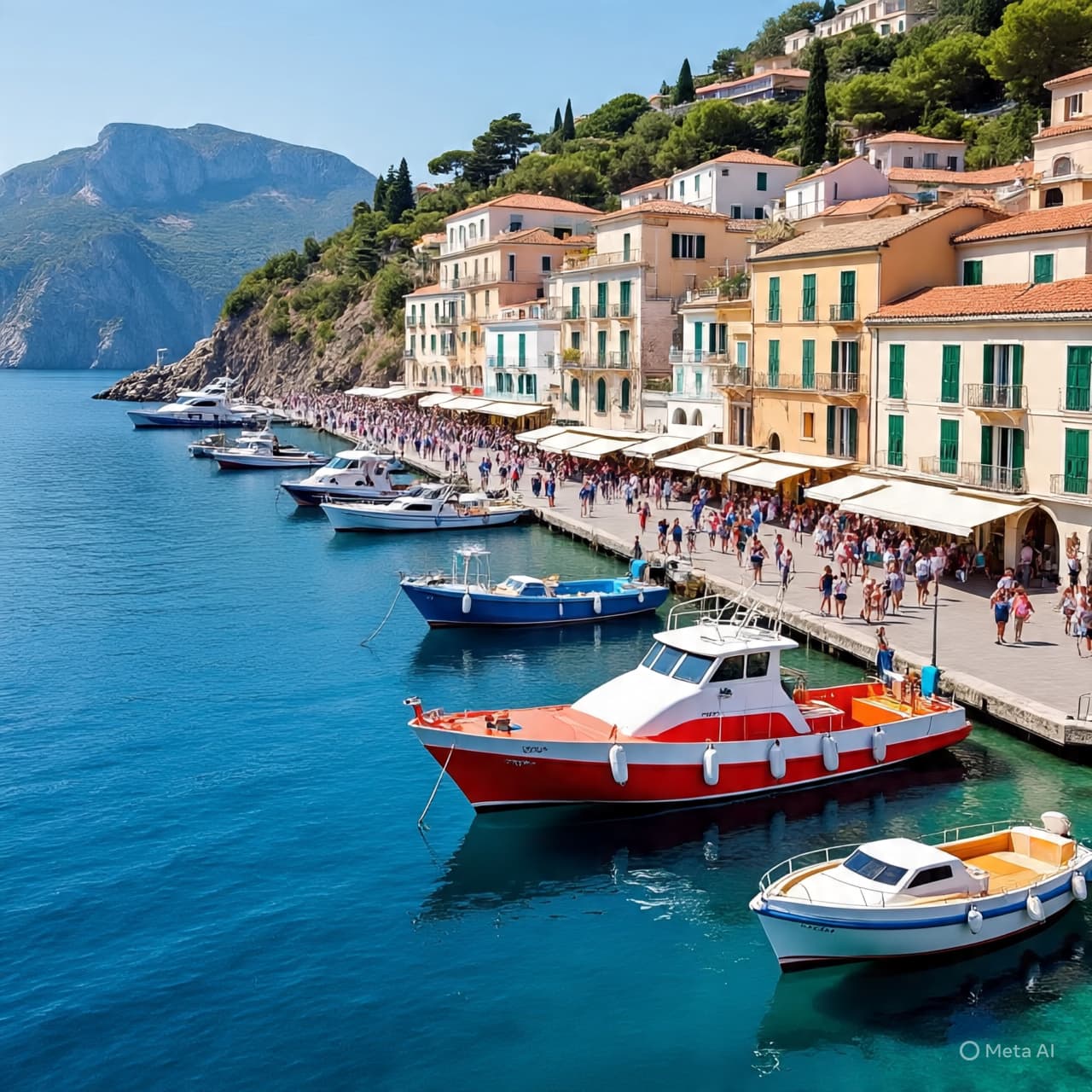
Capri, the picturesque island in the Gulf of Naples, is taking significant steps to address the challenges posed by overtourism. With its stunning cliffs and vibrant culture, Capri has long been a magnet for travelers. However, the influx of visitors has begun to strain the island's resources and disrupt the daily lives of its residents. In response, the local council has implemented new regulations aimed at balancing the needs of tourists with those of the community.
Starting in the summer of 2026, organized tourist groups will be capped at 40 individuals. This measure is designed to reduce congestion in popular areas while still allowing visitors to experience the island's beauty. Additionally, guides leading larger groups will be required to use wireless headsets instead of traditional loudspeakers, which will help maintain a quieter atmosphere in Capri's narrow streets and at its iconic landmarks.
Mayor Paolo Falco has been instrumental in pushing these changes, which were adopted unanimously by the municipal leaders. The decision reflects a growing recognition of the need to protect Capri's unique character and ensure that both residents and visitors can enjoy the island's charm. The new regulations are seen as a step towards fostering a more respectful coexistence between tourists and locals.
Capri's population of approximately 13,000 residents often swells to tens of thousands during peak tourist season. Reports indicate that on some summer days, the island can see visitor numbers soar to 50,000 or more, creating a challenging environment for both locals and tourists. Over the years, Capri's authorities have experimented with various measures to mitigate the impact of mass tourism, including restrictions on noise and street vending.
The latest regulations are not merely about limiting numbers; they represent a broader philosophy of coexistence and respect for the island's heritage. By encouraging smaller, more manageable groups, Capri's leaders hope to create opportunities for deeper connections and more meaningful experiences for visitors. The emphasis on subtlety in guiding practices aims to enhance the overall atmosphere of the island, allowing its natural beauty and cultural richness to shine through.
Local business owners and residents have responded positively to these new measures, viewing them as a practical approach to reducing congestion in sensitive areas such as Marina Grande and the historical center. While tourism is crucial to Capri's economy, there is a shared understanding that it must be managed thoughtfully to preserve the island's allure.
As the summer season approaches, Capri's experiment with these new regulations will unfold, offering a chance to redefine the tourist experience. By limiting group sizes and promoting quieter interactions, the island may discover that a slower pace can lead to richer experiences for all. Capri's commitment to balancing tourism with community needs reflects a growing trend among popular destinations seeking sustainable solutions to overtourism.
In summary, Capri's local council has taken a proactive stance against overtourism by implementing regulations that limit organized tourist groups to 40 people. These measures, which include the use of wireless headsets by guides, aim to enhance the visitor experience while preserving the island's unique character and ensuring the well-being of its residents.
Published by Banx Network. This article is part of the Banx decentralized media programme, powered by the BXE token on the XRP Ledger.




