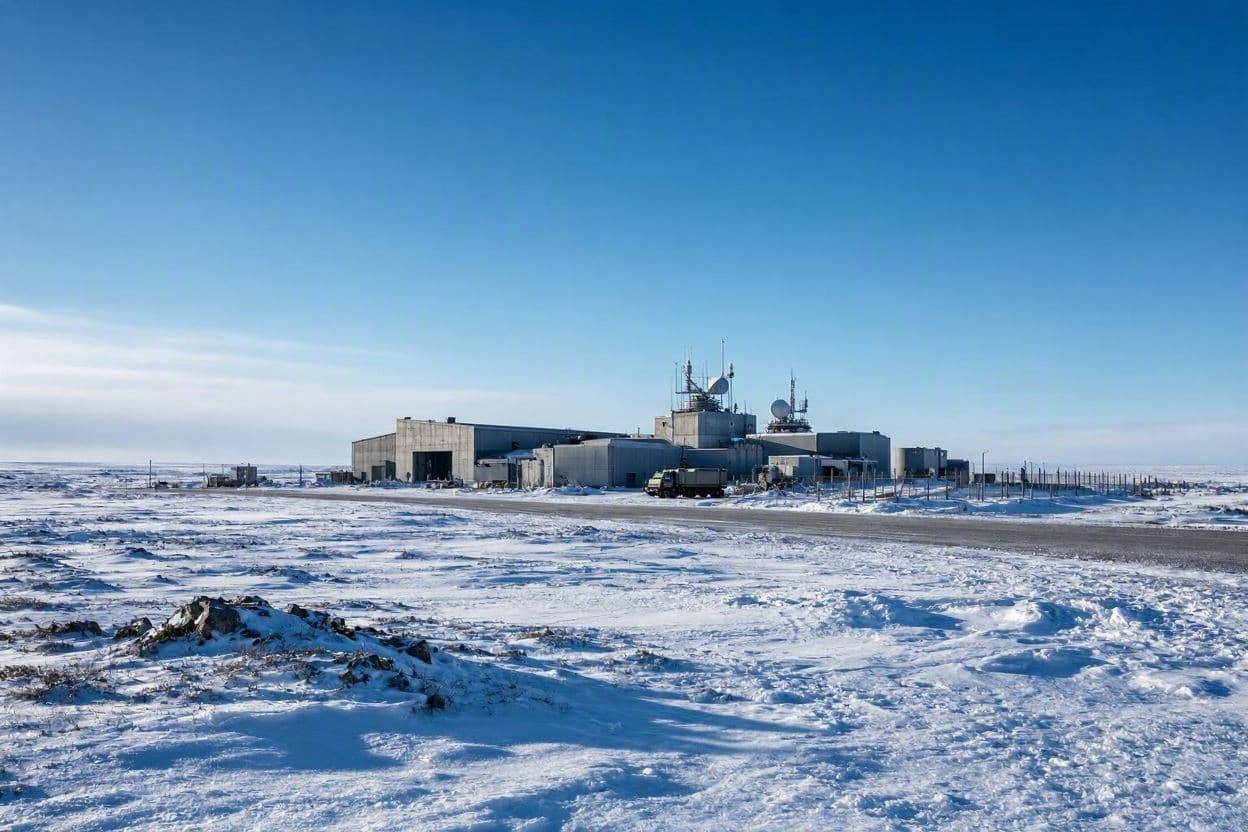
The Arctic, once a remote frontier of ice and silence, has emerged as a strategic chessboard in global politics. Recently, President Donald Trump announced plans to establish a significant military presence in Greenland, framing it as part of a broader security agreement with Denmark and the autonomous territory. This move signals a shift in U.S. foreign policy, prioritizing Arctic dominance amid growing international competition. It is a development that invites reflection on sovereignty, security, and the changing geography of power.
The announcement follows months of intensified rhetoric from the Trump administration regarding Greenland’s strategic value. Officials have cited the need to counter Russian and Chinese influence in the region, emphasizing Greenland’s location along key shipping routes and its natural resources. The proposed military expansion includes new bases, radar installations, and increased troop deployments, aiming to solidify U.S. control over the Arctic corridor.
Denmark, which retains sovereignty over Greenland’s foreign affairs, has responded with caution. While acknowledging the importance of security cooperation, Danish officials have stressed the need for respect for Greenland’s self-governance and environmental concerns. The Greenlandic government, led by Premier Múte Egede, has expressed mixed feelings, welcoming investment but wary of becoming a pawn in great power rivalries. The negotiations are delicate, balancing economic benefits with political autonomy.
The plan has drawn criticism from environmental groups and local communities, who fear the impact of increased military activity on the fragile Arctic ecosystem. Critics argue that the focus on militarization overlooks the urgent need for climate action and sustainable development. They urge policymakers to consider the long-term consequences of such projects, not just for security but for the people and wildlife that call the Arctic home.
Strategically, the move aligns with broader U.S. efforts to strengthen its position in the North Atlantic. The reopening of the Consulate in Nuuk and recent diplomatic visits underscore the administration’s commitment to the region. By enhancing its military footprint, the U.S. aims to deter potential adversaries and secure vital interests. However, this approach risks escalating tensions with Russia and China, potentially leading to an arms race in the Arctic.
International reactions have been varied. NATO allies have generally supported increased security measures, but some European nations worry about the implications for regional stability. The European Union has called for a multilateral approach, emphasizing dialogue and cooperation over unilateral actions. The debate highlights the complex web of alliances and interests that define modern geopolitics, where every move has ripple effects across borders.
For the people of Greenland, the decision brings both opportunity and uncertainty. Jobs and infrastructure improvements are welcome, but so too are concerns about cultural preservation and environmental protection. The community is engaged in ongoing discussions about how to navigate this new reality, seeking a path that honors their heritage while embracing the future. Their voice is crucial in shaping the outcome of these high-stakes negotiations.
The proposal to expand the U.S. military presence in Greenland marks a significant chapter in Arctic policy. As negotiations continue, the world watches to see how security, sovereignty, and sustainability will be balanced. The outcome will not only affect the region but also set a precedent for how nations interact in an increasingly connected and contested world. It is a reminder that even in the most remote places, global politics leaves its mark.
AI Image Disclaimer: Please be aware that the images used here are AI-generated and serve as illustrative aids for the narrative.
Sources: Council on Foreign Relations, Reuters, PBS NewsHour, Congress.gov, Wikipedia
Published by Banx Network. This article is part of the Banx decentralized media programme, powered by the BXE token on the XRP Ledger.