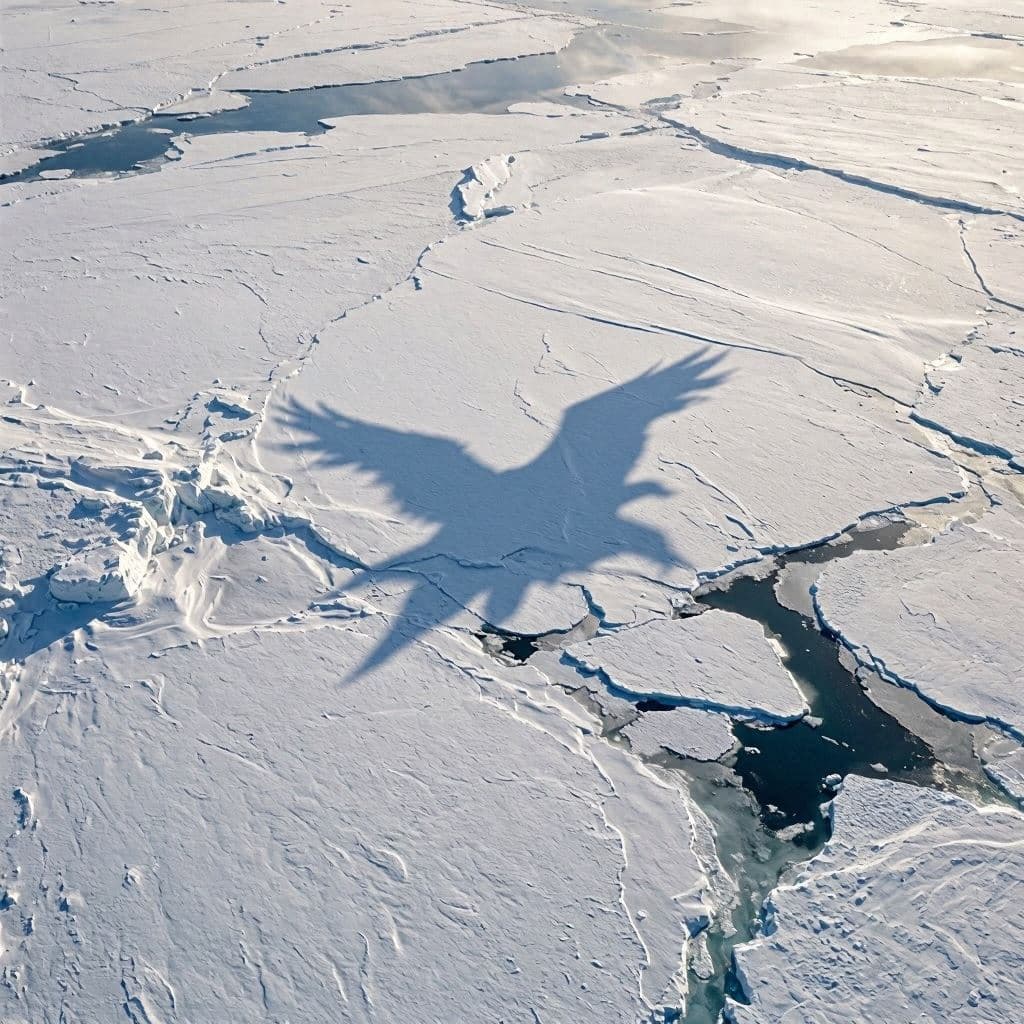
From the vantage point of space, Earth reveals patterns that are invisible from the ground. What might appear as random swirls of ice and snow can, under the right light and perspective, transform into recognizable shapes. On July 23, 2026, a satellite captured an image of Antarctica that bears a striking resemblance to a hummingbird. This "photo of the day" serves as a gentle reminder of the beauty hidden in our planet’s most remote regions. It invites us to pause and appreciate the artistry of nature, even in its harshest environments.
Body: The image was taken by a high-resolution Earth observation satellite, likely part of a program monitoring ice sheet dynamics and climate change. The "hummingbird" shape is formed by a combination of ice formations, shadows, and perhaps exposed rock or meltwater pools. The beak, body, and wings emerge from the interplay of light and texture, creating a pareidolia effect where the human eye perceives familiar forms in abstract patterns.
Antarctica is often depicted as a barren white expanse, but it is a landscape of immense complexity. Glaciers flow, ice shelves calve, and wind sculpts the surface into intricate designs. This image captures a fleeting moment in that ongoing transformation. It highlights the dynamic nature of the polar regions, which are sensitive indicators of global environmental changes.
For scientists, such images are not just aesthetically pleasing but also valuable data points. They help track changes in ice coverage and surface features over time. By comparing current images with historical records, researchers can identify trends in melting or accumulation. The "hummingbird" may be a transient feature, but its documentation contributes to the broader understanding of Antarctic geography.
The choice of this image as the "photo of the day" reflects a growing appreciation for the visual side of science. It engages the public, drawing attention to polar regions that are often overlooked. By framing scientific data as art, agencies can foster a deeper emotional connection to the planet. It encourages people to care about places they may never visit.
Social media reactions to the image have been overwhelmingly positive, with users sharing their own interpretations and marveling at the coincidence. This viral engagement spreads awareness about satellite monitoring and climate science. It demonstrates how curiosity and wonder can serve as gateways to more serious discussions about environmental stewardship.
The timing of the image, in July, marks the heart of the Antarctic winter. During this period, sunlight is scarce, making clear imagery rare and precious. The capture of such a distinct shape during the dark months is a testament to the advanced capabilities of modern remote sensing technology. It allows us to see the unseen.
Closing: The "hummingbird" of Antarctica is a brief illusion, a trick of light and ice. Yet, it carries a lasting message about the beauty and fragility of our world. As we observe these patterns from space, we are reminded of the intricate connections that bind our planet together.
AI Image Disclaimer: Visuals in this article are AI-generated representations of satellite imagery and icy landscapes, intended to illustrate the concept of pareidolia and remote sensing without depicting specific real-time data.
Sources: NASA Earth Observatory European Space Agency (ESA) National Snow and Ice Data Center SpaceNews
Published by Banx Network. This article is part of the Banx decentralized media programme, powered by the BXE token on the XRP Ledger.