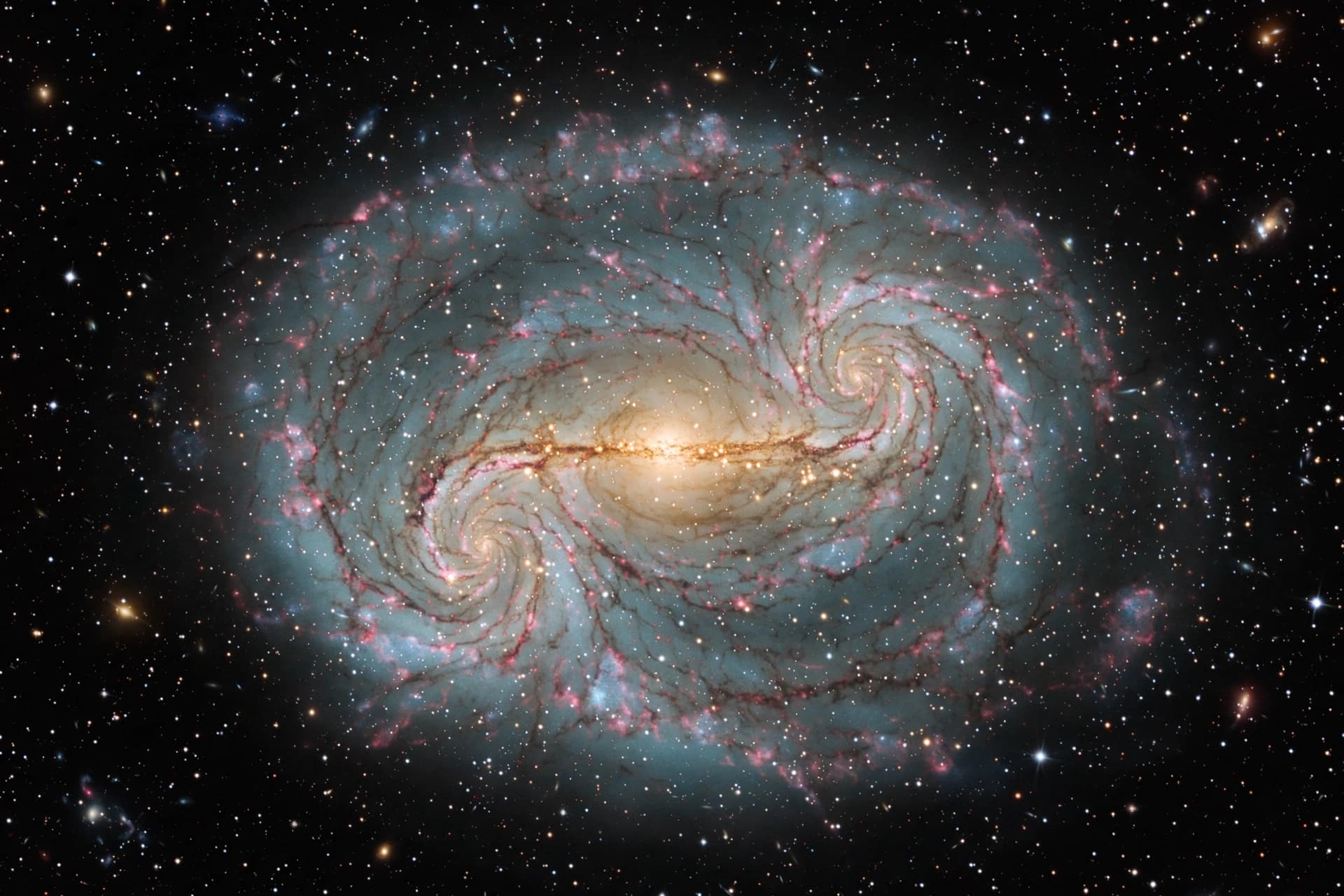
We often think of the Sun as a constant, unwavering beacon in our sky, but its influence extends far beyond the light and heat we feel on our skin. Encasing our solar system is a vast magnetic shield known as the heliosphere, a protective bubble that deflects harmful cosmic rays from deep space. Recent research from NASA suggests that this shield is not as permanent as we once believed. In fact, it has collapsed at least three times in the last 14 million years, and each collapse coincided with the onset of an ice age on Earth. This connection reveals a delicate link between our star’s behavior and our planet’s climate.
The heliosphere is created by the solar wind, a stream of charged particles flowing outward from the Sun. It acts as a barrier, preventing high-energy galactic cosmic rays from entering the inner solar system. However, when the Sun passes through dense regions of interstellar medium, the pressure from outside can compress and even collapse this bubble. During these periods, the Earth is exposed to higher levels of cosmic radiation, which can have profound effects on our atmosphere and climate.
NASA scientists analyzed isotopic data from ocean sediments and ice cores to reconstruct the history of cosmic ray exposure over millions of years. They found distinct spikes in radioactive isotopes like beryllium-10 and chlorine-36, which are produced when cosmic rays hit the Earth’s atmosphere. These spikes aligned perfectly with three major cooling events, suggesting that the increased radiation may have triggered cloud formation and subsequent global cooling.
The mechanism behind this cooling is complex. Cosmic rays can ionize molecules in the atmosphere, potentially leading to the formation of cloud condensation nuclei. More clouds mean more sunlight is reflected back into space, lowering global temperatures. While the exact role of cosmic rays in climate change is still debated, the correlation found in this study is striking and offers a new perspective on the drivers of ice ages.
These collapses occurred long before human civilization existed, but they serve as a reminder of our vulnerability to cosmic forces. The Sun’s journey through the galaxy is not smooth; it encounters varying densities of gas and dust, which can disrupt its protective envelope. Understanding these cycles helps us better predict how our solar system interacts with the broader galactic environment.
For modern society, the implications are both fascinating and humbling. While we are not currently facing a heliosphere collapse, the study highlights the importance of monitoring solar activity and cosmic ray levels. It also underscores the interconnectedness of astrophysics and climatology, two fields that are increasingly converging to explain Earth’s past and future.
The research also challenges the notion that climate change is driven solely by internal factors like volcanic activity or greenhouse gases. External cosmic influences play a role, albeit on much longer timescales. Recognizing these factors provides a more complete picture of Earth’s climate history, helping us distinguish between natural cycles and human-induced changes.
NASA’s findings remind us that Earth is not an isolated island but part of a dynamic cosmic system. The collapse of the Sun’s protective bubble and the subsequent ice ages illustrate the profound ways in which our star and our galaxy shape the habitability of our world.
AI Image Disclaimer: Please be aware that images used in this context are AI-generated and are intended for illustrative purposes only.
Sources: NASA Astrophysical Journal ScienceDaily National Geographic
Published by Banx Network. This article is part of the Banx decentralized media programme, powered by the BXE token on the XRP Ledger.