In the delicate dance of global business, Hyundai’s newly announced investment feels like a soft, almost poetic pivot — a return to its roots even as it reaches for the future. Just as a tree bends with the wind but keeps its roots firmly in the soil, Hyundai appears to be digging deep at home while adapting to powerful international gusts.
Hyundai Motor Group said it will invest 125.2 trillion won ($86.47 billion) in South Korea over the five-year period from 2026 to 2030 — a clear step up from its previous investment of 89.1 trillion won between 2021 and 2025. The announcement came shortly after South Korea and the U.S. finalized a trade deal that cuts U.S. auto tariffs on Korean cars to 15% from 25%.
At a meeting with South Korean President Lee Jae Myung, Hyundai’s Executive Chairman Euisun Chung expressed sensitivity to worries that lower exports or more domestic production might be threatened by changing tariff regimes. But the plan he laid out is wide-ranging: Hyundai wants to diversify export markets, ramp up production in its Korean factories, and more than double its auto exports by 2030 — driven in part by new electric-vehicle plants.
The breakdown of where this money goes reveals Hyundai’s ambition. Of the 125.2 trillion won, about 50.5 trillion will be channeled into artificial intelligence and future businesses, 48.4 trillion into research and development, and 36.2 trillion to upgrade production facilities — including building a skyscraper.
By placing such a significant portion of the investment into AI, robotics, and other “future” sectors, Hyundai isn’t just reacting to a trade deal. It’s laying bets on what mobility will look like a decade from now — electric vehicles, hydrogen, self-driving, smart factories.
That said, this bold move isn’t without risk. Some analysts point to Hyundai’s tariff exposure in the U.S. as a pressure point — especially since the trade deal only partially alleviates those concerns. Others recall Hyundai’s recent increasing U.S. investments (including a previously announced $21 billion plan) that raise questions about whether the company can balance its global footprint while maintaining strong domestic anchors.
Still, Hyundai’s leaders seem to be speaking with conviction. For them, this isn’t just a defensive move — it’s a declaration: South Korea is the heart of Hyundai’s innovation future. By investing heavily in R&D, in a skyscraper (a symbolic gesture in itself), and in smart production, Hyundai is signaling that its next chapter will be rooted in Korea, even as it competes globally.
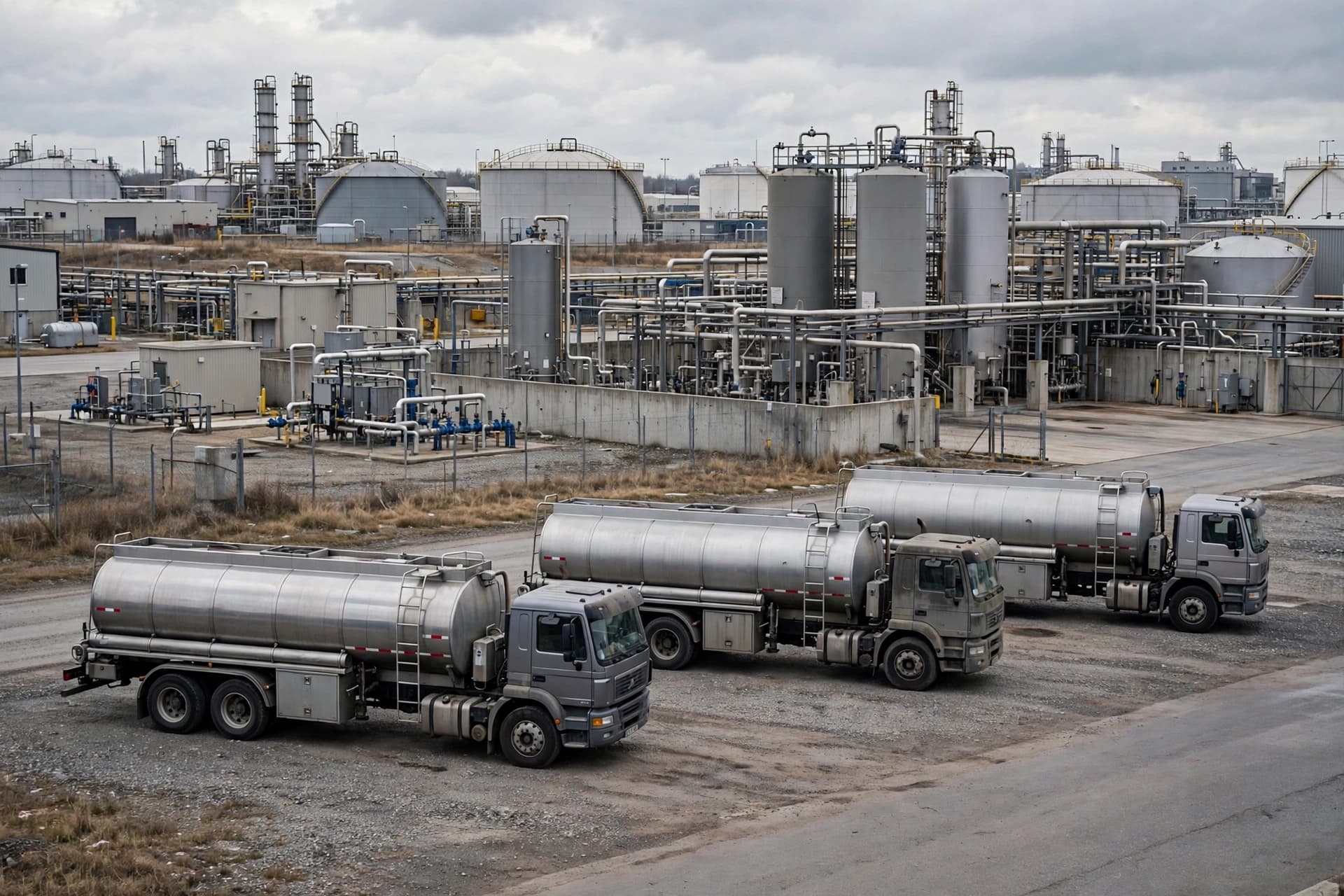
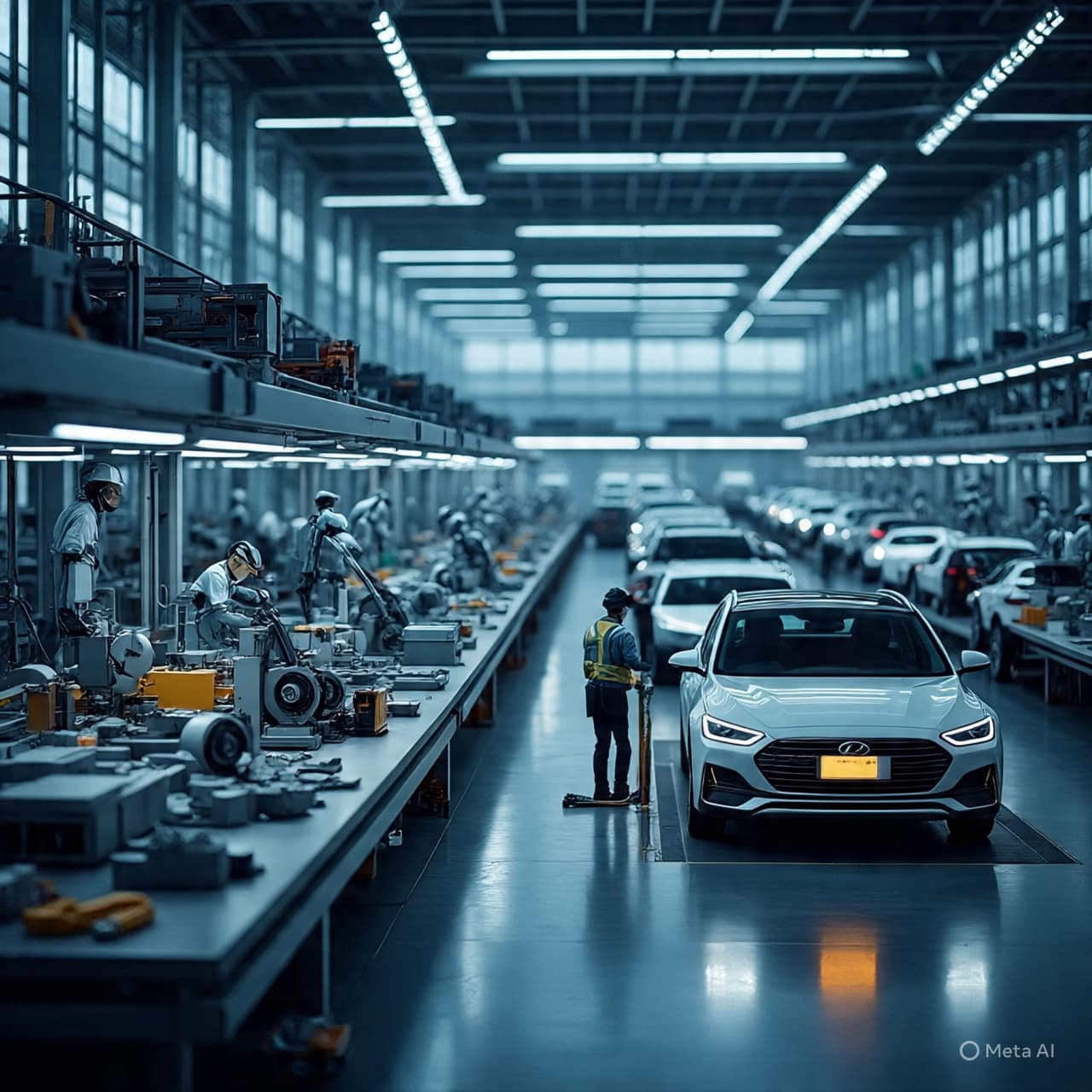
AI Image Disclaimer “Images in this article are AI-generated illustrations, meant for concept only.”
Sources Reuters The Korea Times ICIS CNA Forbes
Published by Banx Network. This article is part of the Banx decentralized media programme, powered by the BXE token on the XRP Ledger.