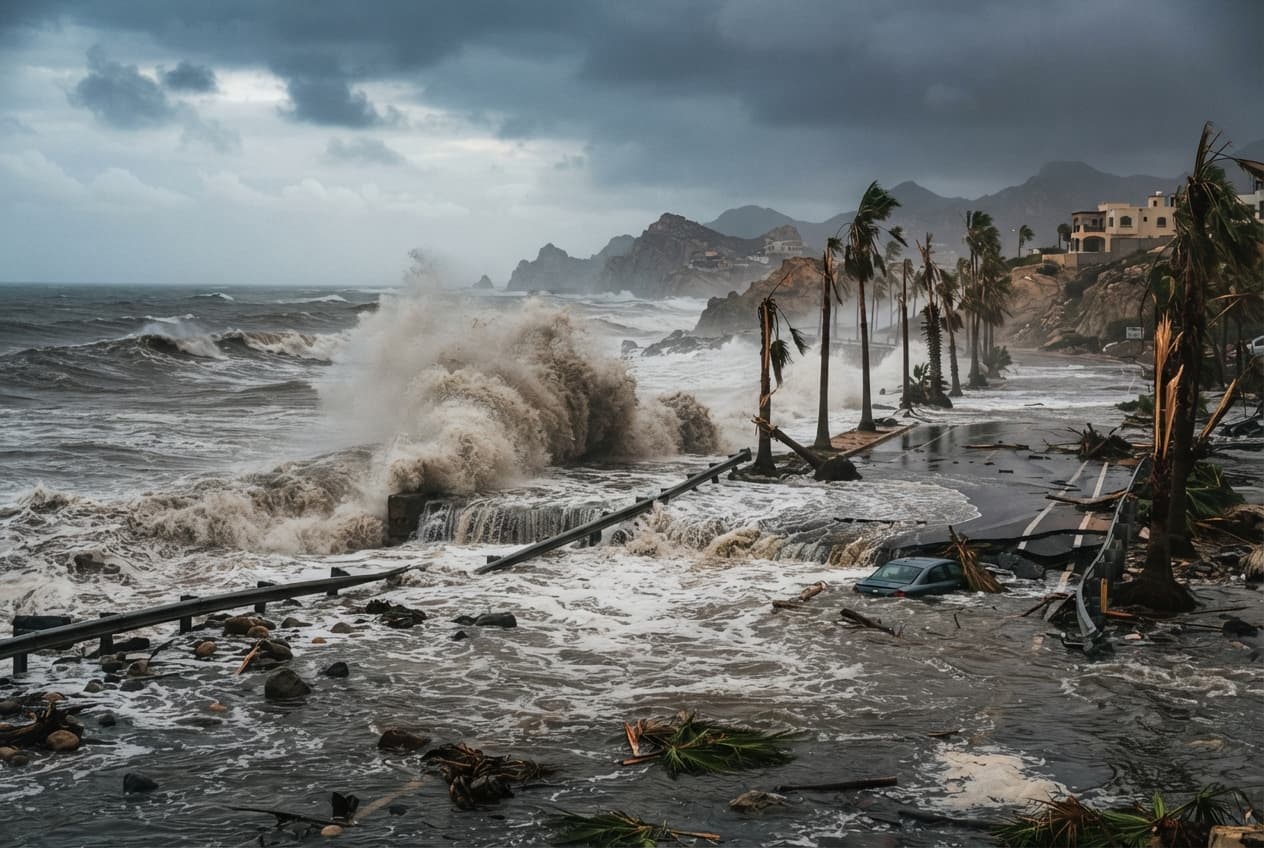
Cabo San Lucas, Mexico—Hurricane Polo slammed into the Baja California Peninsula on September 28, 2026, unleashing destructive winds, towering ocean swells, and severe structural damage across coastal municipalities. The major storm made landfall carrying sustained winds exceeding one hundred miles per hour, tearing roofs from residential buildings and snapping reinforced concrete utility poles like dry twigs. Civil protection director Marco Antonio Martinez confirmed that emergency response teams are unable to access several flooded beachfront neighborhoods due to deep debris fields.
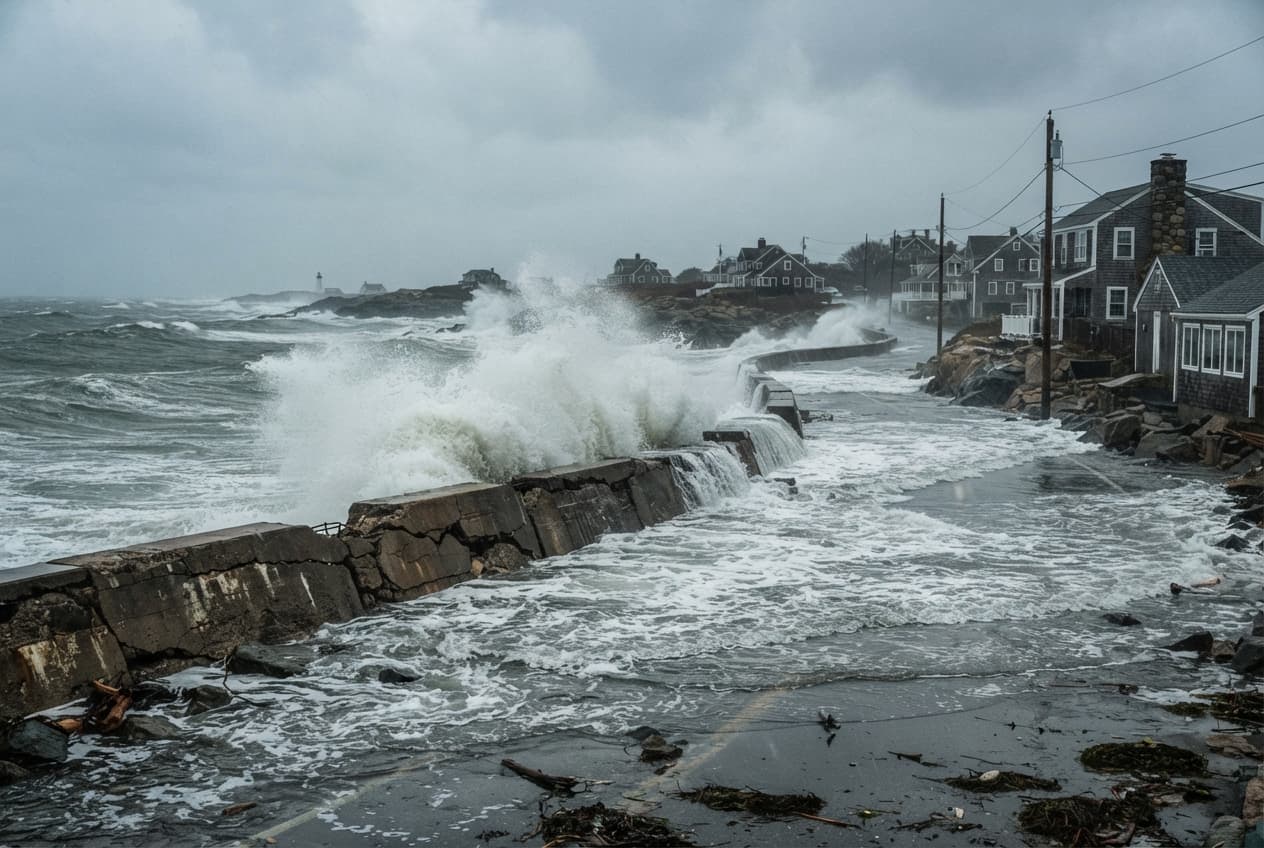
Pounding storm surges breached coastal sea walls within minutes of high tide, sending knee-deep seawater coursing through downtown commercial sectors and hotel zones. Local restaurant owner Javier Mendez watched helplessly as towering waves battered outdoor patios and flooded ground-level dining rooms. Emergency management dispatchers reported thousands of frantic calls from residents trapped inside compromised structures as flying sheet metal created life-threatening hazards outdoors.
Power grids across the entire southern tip of the peninsula collapsed completely after multiple transmission towers buckled under extreme wind pressure. Water treatment facilities and regional hospital networks switched immediately to emergency diesel generators to maintain critical utility operations. Fuel supplies for these backup generators are dwindling rapidly as blocked coastal access roads prevent tanker trucks from reaching municipal facilities.
Commercial fishing fleets and recreational marinas in local harbors suffered catastrophic losses as vessel moorings failed and dozens of boats smashed against concrete piers. Marine insurance adjusters established temporary staging points on high ground to process initial damage claims from vessel owners. Coast Guard units rescued several stranded sailors from capsized craft just outside the breaking surf line.
Transportation infrastructure sustained heavy damage as highway bridges washed out and coastal access roads suffered massive slope failures. Department of transportation crews deployed heavy bulldozers to clear sand and rock debris blocking arterial transit routes. Commercial airline operations at regional airports remained suspended indefinitely following severe runway flooding and terminal window blowouts.
Displaced residents sought refuge inside reinforced municipal shelters set up in schools and sports arenas on elevated terrain. Civil defense personnel distributed bottled water and basic rations to families huddled under emergency blankets in crowded corridors. Public health officials warned evacuees against using contaminated municipal tap water until structural repairs can be completed.
Meteorological trackers indicate that the slow-moving cyclone will continue generating torrential downpours across the mountainous interior as it tracks northwestward. Hydrology experts issued red alerts for flash floods and dangerous mountain mudslides across adjacent rural districts. Federal disaster response units deployed specialized extraction vehicles to reinforce local rescue capacity in isolated valley settlements.
Emergency personnel continue patrolling damaged neighborhoods under failing natural light to verify structural integrity and assist remaining residents. Utility technicians coordinate around the clock to isolate live electrical wires dangling across flooded roadways. Response commanders emphasize that primary recovery operations will extend throughout the entire week as severe weather conditions slowly abate.
Published by Banx Network. This article is part of the Banx decentralized media programme, powered by the BXE token on the XRP Ledger.