In the Caribbean, the calendar has no mercy.
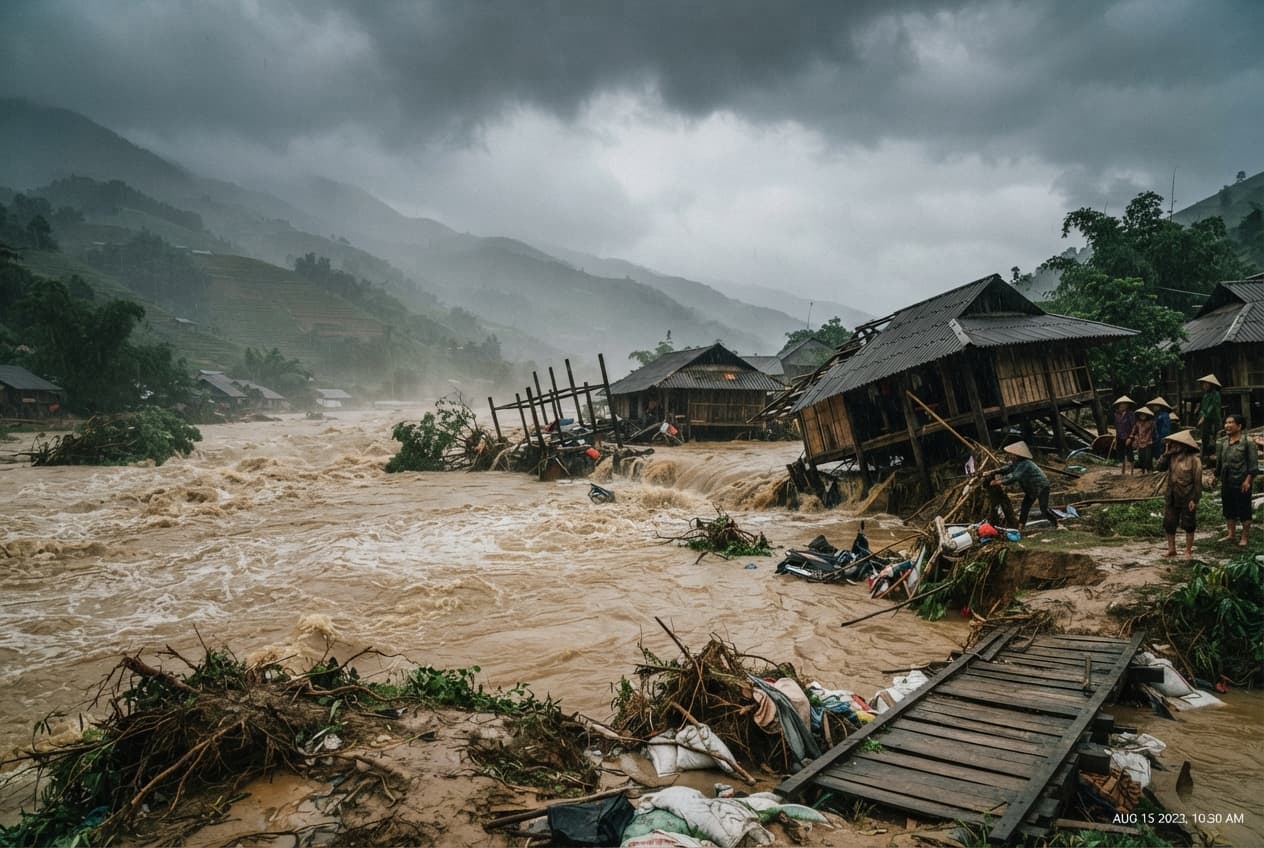
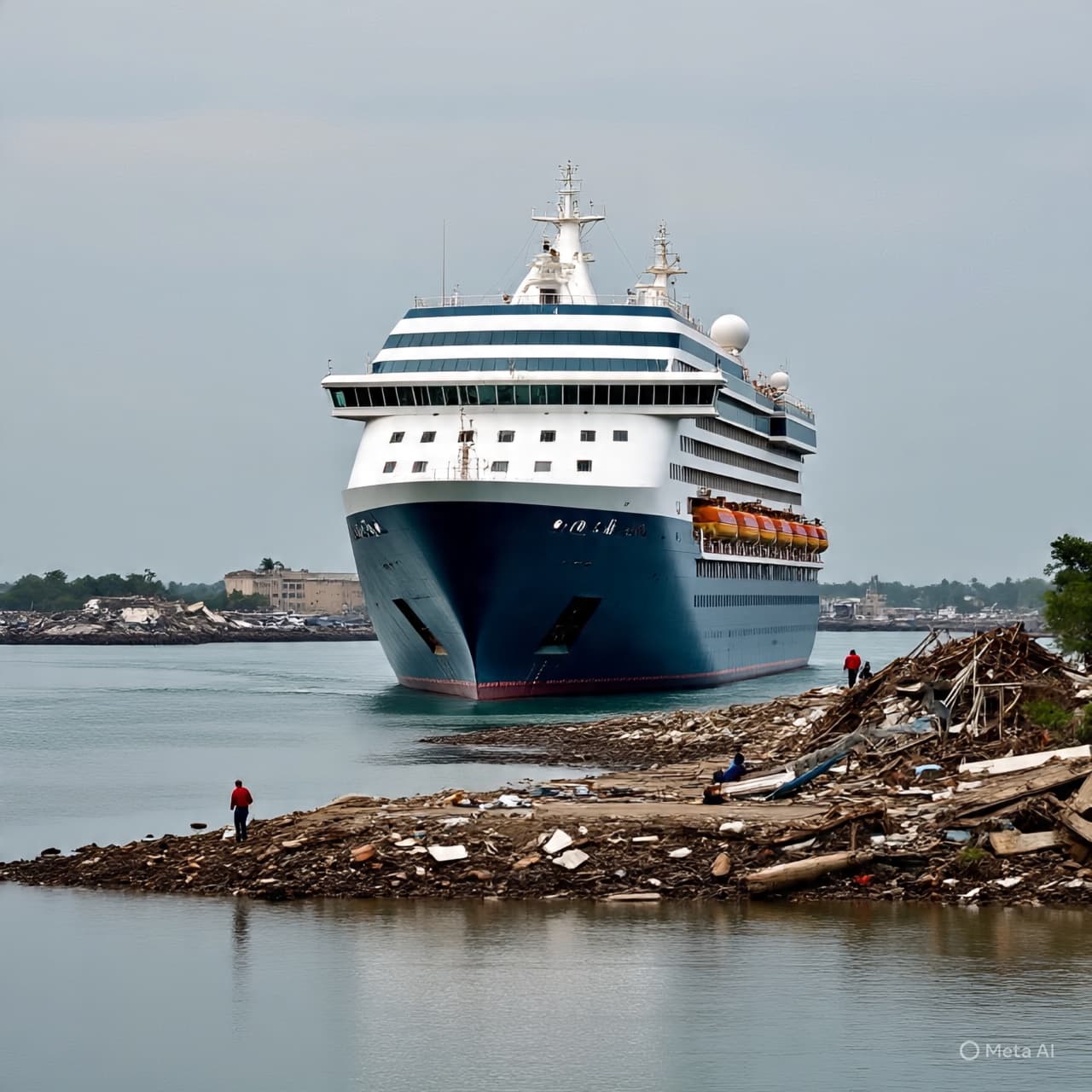
Hurricane Melissa carved through Jamaica’s coast with the violent, indifferent logic of seasonal weather. Roofs torn, boats piled, power lines down—damage that always feels both hyper-local and globally generated at the same time. But even before the debris is fully cleared, another clock is already ticking: peak tourism.
The island is now racing to dig out and rebuild. Because the high season—those winter months when North America freezes and Jamaica pays its bills—starts now.
Tourism is not a gentle hobby here. It is infrastructure, currency, employment, public finance. Every storm that hits this island is not just a weather event—it is a stress test for the economic engine that funds roads, schools, and social safety nets.
Officials know this intimately.
Hotels need their inventory fully online. Beaches need to be safe and accessible. Ports need to receive cruise ships with confidence. And at the most basic human level—thousands of workers depend on those guests arriving and spending and tipping and eating and living the temporary fantasy that Caribbean islands exist mostly for leisure.
Hurricane Melissa’s scars are fresh. The emotional landscape is raw. But the market logic is cold: winter demand doesn’t pause because one island had a catastrophe. The flight search engines don’t blink. The global tourism machine expects Jamaica to be ready, shiny, welcoming, even if a week ago sections of its shoreline looked like a construction zone.
This tension—recovery vs expectation—is now one of the defining features of climate-era tourism.
Destinations must heal faster than storms destroy.
And everyone knows that window is shrinking.
Published by Banx Network. This article is part of the Banx decentralized media programme, powered by the BXE token on the XRP Ledger.