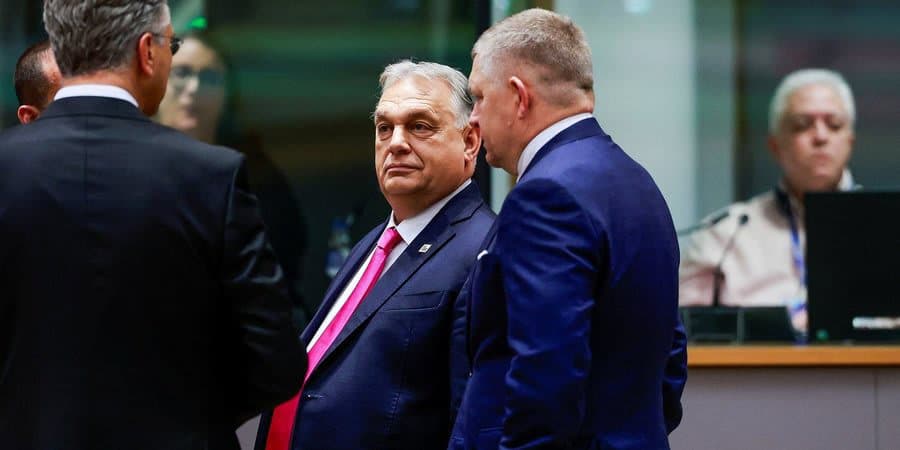
In a recent announcement, Hungary, the Czech Republic, and Slovakia confirmed their decision to abstain from participating in the EU's ambitious €90 billion loan program designed to bolster Ukraine's economy as it navigates the ongoing challenges of conflict. This program, which aims to provide substantial financial support, is part of a broader initiative by the European Union to assist Ukraine in stabilizing its economy and rebuilding infrastructure.
The refusal from these three Central European states highlights the growing divisions within the EU regarding financial commitments and geopolitical strategies. Hungary's Prime Minister, Viktor Orbán, has been particularly vocal about his government’s stance, citing concerns over the long-term implications of such assistance and the potential for increased debt burdens on EU member states.
The Czech and Slovak governments echoed similar sentiments, expressing reservations about the program's impact on their national budgets and prioritizing domestic economic issues. This collective decision marks a significant departure from the EU's united front in providing support for Ukraine, raising questions about the effectiveness of the EU’s financial strategies and its ability to respond to regional crises cohesively.
EU officials have expressed disappointment with this decision, emphasizing the urgent need for solidarity among member states to maintain stability in Eastern Europe. As Ukraine continues to endure the ramifications of the conflict, the absence of support from Hungary, the Czech Republic, and Slovakia may pose further challenges for Ukraine’s recovery efforts.
With regional politics deeply intertwined, the implications of this refusal extend beyond immediate financial aid, potentially influencing future collaborations and shaping the geopolitical landscape within Europe. As discussions continue, the EU faces the challenge of reconciling differing national interests while striving to uphold its commitment to Ukraine’s sovereignty and economic stability.
Published by Banx Network. This article is part of the Banx decentralized media programme, powered by the BXE token on the XRP Ledger.