
Key Highlights
- Upcoming Election:Hungary prepares for a pivotal vote that could redefine its political landscape.
- Orbán's Challenges: Prime Minister Viktor Orbán faces mounting criticism and public discontent.
- Implications for EU:The election outcome may influence Hungary's relationship with the European Union.
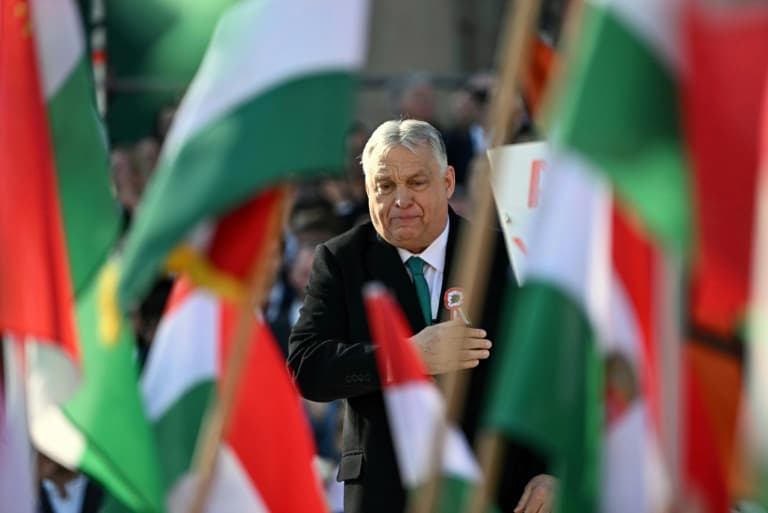
As Hungary approaches a pivotal election, the political future of Prime Minister Viktor Orbán hangs in the balance. This vote is not merely a referendum on Orbán's years in office but also a moment of reckoning for the direction of the country amid growing discontent and challenges to his governance. The election, scheduled for later this month, is expected to draw significant attention both domestically and internationally.
Orbán, a contentious figure in European politics, has faced criticism for his administration's policies, including stances on immigration, media freedoms, and judicial independence. His government has been characterized by strong nationalist rhetoric and significant centralization of power, often raising concerns among critics about the erosion of democratic norms. As the election draws near, citizens are increasingly vocal about their frustrations, leading to a competitive atmosphere that may challenge Orbán’s long-held dominance.
Opposition parties have mobilized to present a united front, aiming to capitalize on public discontent and potentially unseat the incumbent leader. This coalition of opposition forces is seen as a significant threat to Orbán, who has maintained a firm grip on power since 2010. The opposition's strategy includes addressing key issues such as economic inequality, corruption, and the need for greater transparency in governance.
The outcome of this election could have profound implications not only for Hungary but also for the broader European Union, as it navigates challenges related to populism and democratic governance. A shift in power could signal a movement toward more progressive policies and greater alignment with EU standards, particularly regarding rule of law and fundamental rights. Analysts suggest that a change in leadership could also impact Hungary's foreign relations, especially with EU institutions that have criticized Orbán's approach to governance.
As Hungary prepares to cast its votes, all eyes remain on the results that could reshape the nation’s political landscape and redefine Orbán’s legacy. The coming days are critical for Hungary’s democratic future, and the outcome will resonate beyond its borders as the nation grapples with its identity and role within Europe. The stakes are high, and the implications of this election will likely be felt for years to come, making it a crucial moment in Hungary's history.
Published by Banx Network. This article is part of the Banx decentralized media programme, powered by the BXE token on the XRP Ledger.



