
Key Highlights
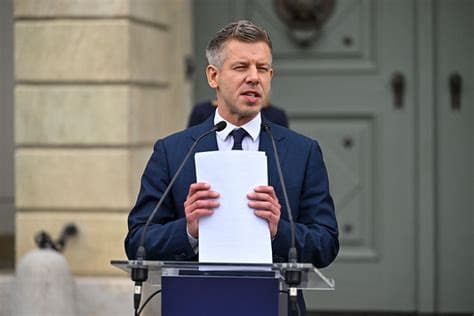
- Constitutional Change:Hungarian PM Péter Magyar proposes to amend the constitution to remove President Tamás Sulyok.
- Political Context:The move follows Magyar's party winning a two-thirds majority in parliament.
- Standoff:Sulyok, appointed by Viktor Orbán, refuses to resign, leading to a potential constitutional crisis.
Hungary’s political landscape is undergoing significant changes as Prime Minister Péter Magyar announces plans to amend the constitution with the aim of removing President Tamás Sulyok. This initiative is part of a broader strategy by Magyar to dismantle the political structures established during the tenure of former Prime Minister Viktor Orbán. Following a decisive victory in the April elections, Magyar's Tisza party now holds a two-thirds majority in parliament, empowering it to implement substantial constitutional reforms.
Magyar has been vocal in his criticism of Sulyok, labeling him an “Orbán puppet” and demanding his resignation. The president's role, while largely ceremonial, includes critical powers such as signing legislation into effect and the ability to refer bills to the constitutional court. These powers raise concerns among Magyar's supporters, who fear that Sulyok could impede necessary reforms through these formal channels.
Sulyok, who was appointed by Orbán’s Fidesz party in February 2024, is currently serving a five-year term and has publicly refused to resign. This refusal has led to a constitutional standoff, as Magyar's government seeks to navigate the complexities of removing a sitting president. The Fidesz party has issued warnings that forcibly ousting Sulyok before the completion of his term would undermine the principles of constitutional democracy in Hungary.
While specific details regarding the constitutional mechanism for Sulyok's removal have not been disclosed, Magyar indicated that the process could unfold within a month. This timeline suggests a rapid escalation in Hungary's political tensions, as the new government seeks to assert its authority and reshape the country's governance framework.
The implications of this proposed constitutional change extend beyond the immediate political arena. It reflects a significant shift in Hungary's governance, as the Tisza party aims to consolidate power and redefine the relationship between the presidency and the parliament. Observers are closely monitoring the situation, as the outcome could set a precedent for future political maneuvers in Hungary.
As the situation develops, the potential for conflict between the current government and the remnants of Orbán's administration remains high. The coming weeks will be crucial in determining whether Magyar can successfully navigate this constitutional challenge and what it means for the future of governance in Hungary.
Published by Banx Network. This article is part of the Banx decentralized media programme, powered by the BXE token on the XRP Ledger.



