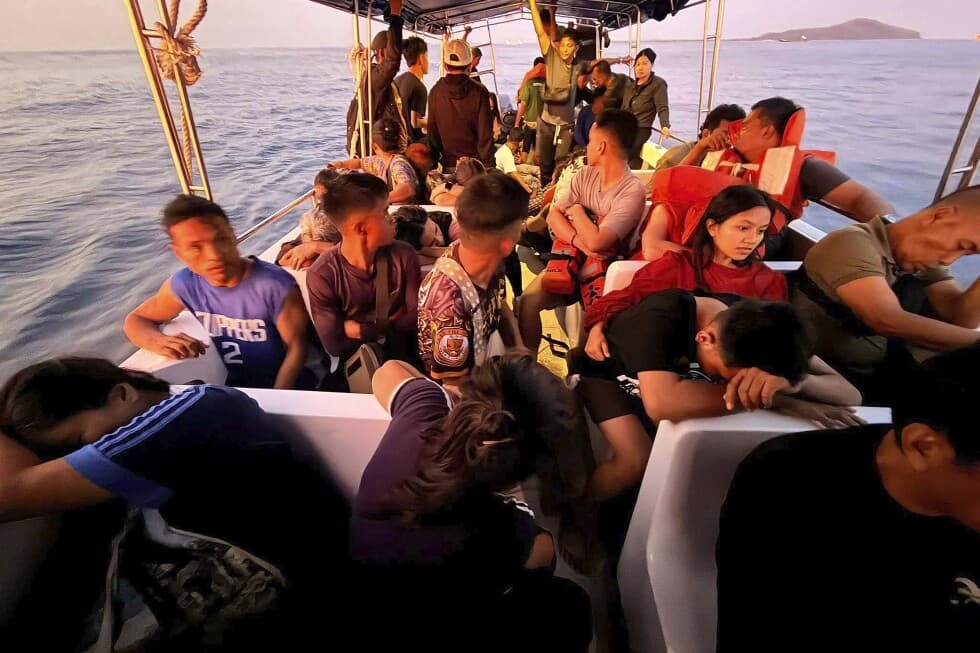
On January 26, 2026, the MV Trisha Kerstin 3, a passenger and cargo ferry, tragically sank shortly after departing from Zamboanga on its way to Jolo in the Sulu province. The incident occurred around 1:50 a.m. local time, prompting immediate distress calls from the crew. The vessel was reported to have had 332 passengers and 27 crew members aboard.
Rescue operations, led by the Philippine Coast Guard, have managed to save 316 individuals, while the bodies of at least 18 victims have been recovered. Additionally, about 10 passengers remain unaccounted for as search teams continue to scour the area, aided by a variety of vessels and aerial support.
Survivors have recounted how the ferry abruptly tilted and began taking on water before capsizing. One passenger, Mohamad Khan, shared a heart-wrenching account of the moments leading up to the sinking, where he lost hold of his 6-month-old baby in the chaos. Emotional recollections from those rescued underline the harrowing nature of the event.
Authorities are currently investigating the circumstances surrounding the disaster, with preliminary reports indicating that the vessel experienced technical difficulties before capsizing. The weather conditions at the time were described as calm by some survivors, contradicting official statements attributing the incident to rough waters.
The Philippines, an archipelago nation with a challenging maritime safety record, has seen numerous ferry accidents over the years, often linked to overcrowding and maintenance issues. The Maritime Industry Authority has confirmed it will dispatch a team to assess the incident and ensure accountability moving forward.
As rescue efforts continue, concerns about safety regulations and protocols in ferry operations are once again brought to the forefront, highlighting the need for improved maritime safety in the region.
Published by Banx Network. This article is part of the Banx decentralized media programme, powered by the BXE token on the XRP Ledger.