
Key Highlights
- Date of Incident:January 26, 2026, when the MV Trisha Kerstin 3 sank.
- Rescue Operations:316 individuals rescued, 18 confirmed dead.
- Ongoing Investigation:Authorities examining the cause of the disaster.
On January 26, 2026, the MV Trisha Kerstin 3, a passenger and cargo ferry, tragically sank shortly after departing from Zamboanga, bound for Jolo in the Sulu province. The incident occurred around 1:50 a.m. local time, prompting immediate distress calls from the crew. The vessel was reported to have had 332 passengers and 27 crew members aboard, making the loss of life particularly devastating.
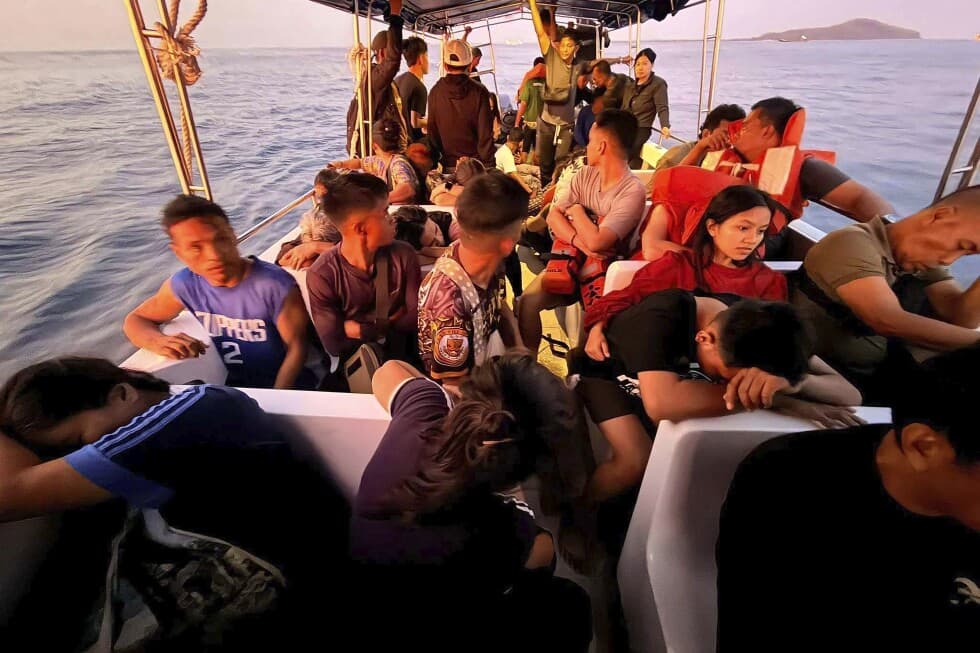
Rescue operations, led by the Philippine Coast Guard, have managed to save 316 individuals, while the bodies of at least 18 victims have been recovered. Additionally, about 10 passengers remain unaccounted for as search teams continue to scour the area, aided by a variety of vessels and aerial support. The swift response from the Coast Guard has been crucial in minimizing the loss of life, but the tragedy has left many families in mourning.
Survivors have recounted how the ferry abruptly tilted and began taking on water before capsizing. One passenger, Mohamad Khan, shared a heart-wrenching account of the moments leading up to the sinking, where he lost hold of his 6-month-old baby in the chaos. Emotional recollections from those rescued underline the harrowing nature of the event, as many struggled to escape the sinking vessel amidst panic and confusion.
Authorities are currently investigating the circumstances surrounding the disaster, with preliminary reports indicating that the vessel experienced technical difficulties before capsizing. The weather conditions at the time were described as calm by some survivors, contradicting official statements attributing the incident to rough waters. This discrepancy raises questions about the vessel's condition and the adequacy of safety measures in place.
The Philippines, an archipelago nation with a challenging maritime safety record, has seen numerous ferry accidents over the years, often linked to overcrowding and maintenance issues. The Maritime Industry Authority has confirmed it will dispatch a team to assess the incident and ensure accountability moving forward. This incident has reignited discussions about the need for stricter safety regulations in the ferry industry, as many vessels operate under conditions that may not meet international safety standards.
As rescue efforts continue, concerns about safety regulations and protocols in ferry operations are once again brought to the forefront, highlighting the need for improved maritime safety in the region. The government is under pressure to implement reforms to prevent such tragedies from occurring in the future, as families seek justice and answers regarding the loss of their loved ones.
Published by Banx Network. This article is part of the Banx decentralized media programme, powered by the BXE token on the XRP Ledger.



