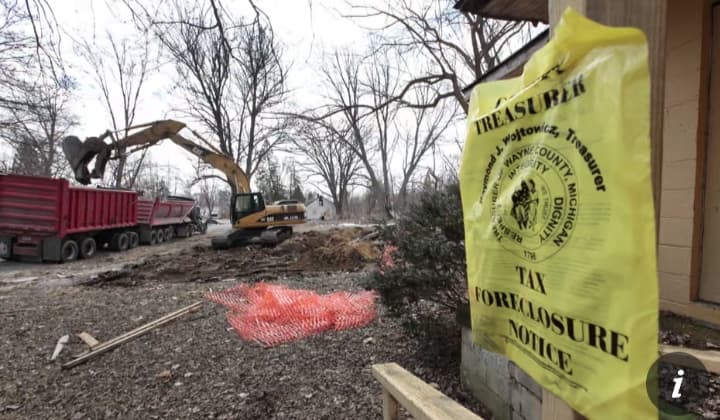
Recent reports indicate that hundreds of demolition sites across Detroit may contain toxic soil, sparking serious concerns regarding public health and environmental safety. As the city continues its efforts to revitalize neighborhoods by demolishing abandoned homes, the discovery of potentially hazardous materials in the soil at these sites has raised alarms among residents and officials alike.
Investigators have found that the soil in some of these areas may contain dangerous contaminants, including lead, asbestos, and other harmful chemicals. The presence of these toxic substances can pose serious health risks to nearby residents, particularly children and vulnerable populations. As a result, community advocates are calling for immediate action to assess the extent of the contamination and develop safe remediation strategies.
The issue of toxic soil at demolition sites points to broader challenges in urban renewal efforts. While demolishing dilapidated structures is a crucial step toward revitalization, it is essential that such projects are managed with comprehensive environmental assessments to avoid unintended consequences. The improper handling of demolition debris can lead to long-term safety issues for communities already facing numerous challenges.
City officials have stated that they are cooperating with environmental agencies to thoroughly investigate the situation. Efforts will focus on testing the soil and identifying specific contaminants, with plans to implement remediation measures as necessary. Authorities emphasize the importance of transparency and effective communication with residents to ensure their safety and well-being.
As investigations continue, the situation highlights the critical need for more stringent regulations and oversight in urban demolition projects. Community members have expressed their concerns about the potential risks associated with living near contaminated sites, and many are advocating for enhanced safety protocols to protect public health.
As Detroit grapples with this pressing issue, the implications extend beyond the immediate community. The findings could set a precedent for how urban demolition projects are conducted across the nation, reinforcing the importance of thorough environmental assessments and responsible practices in rebuilding efforts.
Published by Banx Network. This article is part of the Banx decentralized media programme, powered by the BXE token on the XRP Ledger.