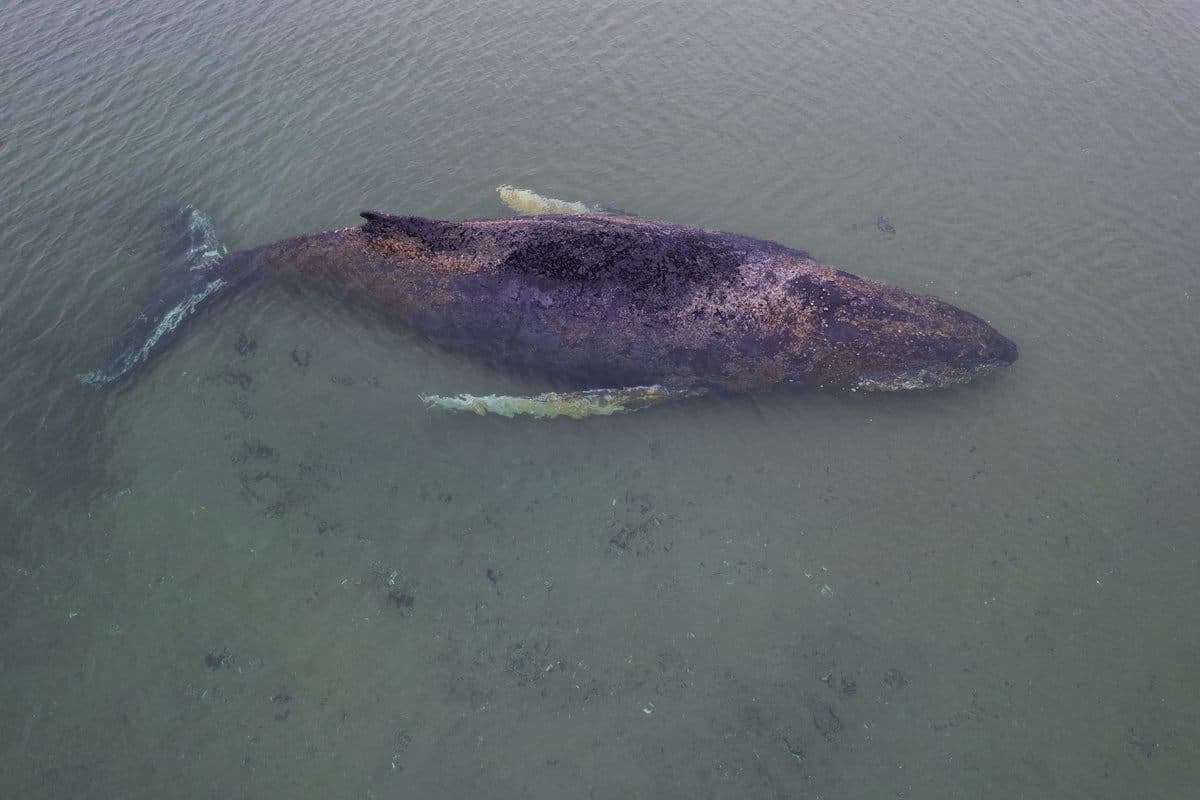
Just days after a successful rescue, a humpback whale has been found stranded again off the German coast, drawing attention to the plight of marine wildlife. The whale's repeated stranding raises significant concerns among marine biologists and conservationists regarding its health and the potential dangers it faces in its habitat.
Marine rescue teams had previously worked diligently to ensure the whale's safe return to deeper waters, emphasizing the importance of protecting these majestic creatures. The second stranding has prompted urgent calls for further investigation into the factors contributing to such incidents, including potential environmental threats and food supply issues.
Experts are now analyzing data from both stranding events to better understand the challenges faced by humpback whales in the North Sea. These efforts are critical, as they aim to ensure the long-term survival of marine species in a rapidly changing environment.
Local authorities are coordinating with wildlife organizations to monitor the situation closely and respond appropriately. The recurrence of this event serves as a stark reminder of the complexities involved in marine conservation and the pressing need for continued efforts to protect ocean habitats.
As the situation develops, advocates for marine wildlife are hopeful that increased awareness and research will lead to more effective conservation strategies, ultimately benefiting both the whales and the ecosystems they inhabit.
Published by Banx Network. This article is part of the Banx decentralized media programme, powered by the BXE token on the XRP Ledger.