
Key Highlights
- Record Time:Humanoid robot Speedster completed the Beijing Half-Marathon in 1 hour, 29 minutes, and 12 seconds.
- Engineering Marvel:Developed by the Beijing Robotics Institute, Speedster utilizes advanced algorithms for optimal performance.
- Future of Sports:Experts discuss the implications of robots competing alongside human athletes.
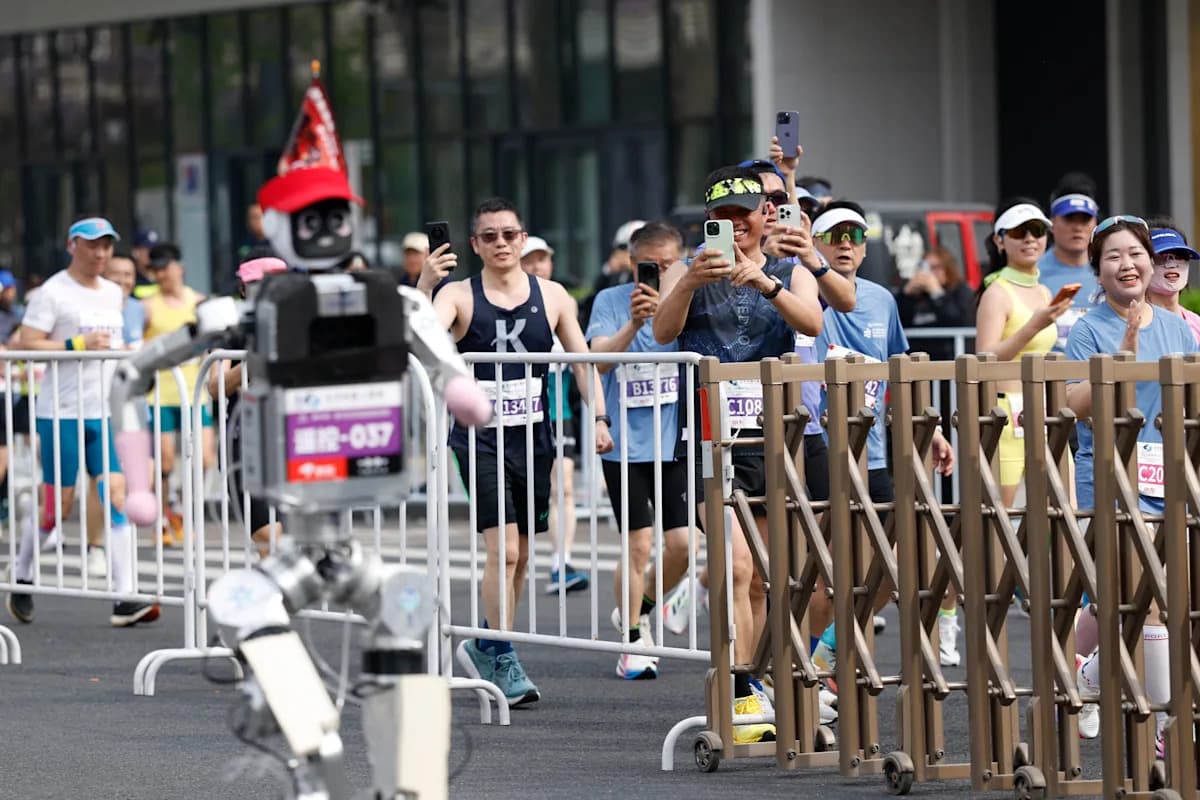
In a stunning display of technological achievement, a humanoid robot named Speedster sprinted to victory at the Beijing Half-Marathon, achieving a time of just 1 hour, 29 minutes, and 12 seconds. This remarkable feat has not only captured global attention but has also raised questions about the future of sport and the capabilities of artificial intelligence.
Developed by a team of engineers at the Beijing Robotics Institute, Speedster is equipped with advanced algorithms that optimize its running technique, enabling it to adapt to varying terrains and conditions in real time. The design mimics human biomechanics, allowing it to maintain an impressive pace throughout the race. This innovative approach showcases the potential of robotics in enhancing athletic performance.
The event attracted thousands of spectators and media personnel, all eager to witness this historic moment. As the robot crossed the finish line, cheers erupted from the crowd, emphasizing the excitement surrounding robotics in sports. The atmosphere was electric, with many attendees expressing awe at the capabilities of modern technology.
Experts in both robotics and athletics noted that Speedster's success may push the boundaries of performance expectations. "We are witnessing the dawn of a new era in sports where robots can compete with human athletes," said Dr. Li Wen, a leading researcher in robotic engineering. "While it does raise ethical questions about competition, it highlights the incredible possibilities of innovation." This sentiment reflects a growing interest in how technology can augment human capabilities in various fields.
The implications of this achievement extend beyond sports. It suggests potential applications for robots in various fields, including search and rescue operations, healthcare, and even military use, where speed and efficiency are paramount. The versatility of such robots could revolutionize industries that rely on rapid response and precision.
As the robotics community celebrates this milestone, discussions are already underway about establishing categories for robot competitions to ensure a fair and innovative future in the world of athletics. With Speedster setting the bar high, only time will tell how human athletes will respond to this challenge, but one thing is clear: the race has just begun. The integration of robotics into competitive sports may redefine the landscape of athleticism as we know it.
Published by Banx Network. This article is part of the Banx decentralized media programme, powered by the BXE token on the XRP Ledger.



