Throughout history, every new telescope has altered humanity's perception of the universe. From Galileo's early observations to today's sophisticated observatories, each generation of instruments has expanded the boundaries of what can be seen and understood.
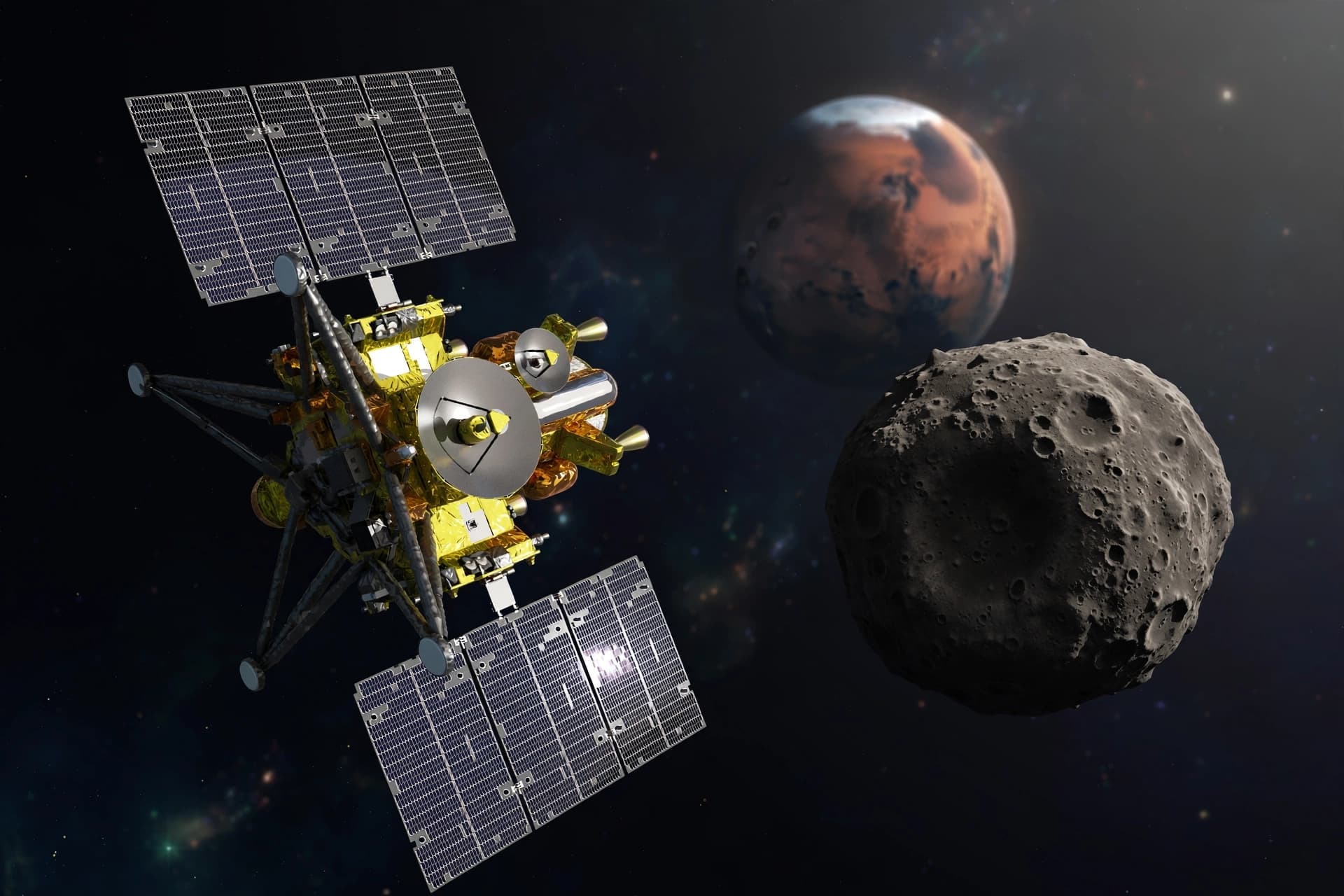
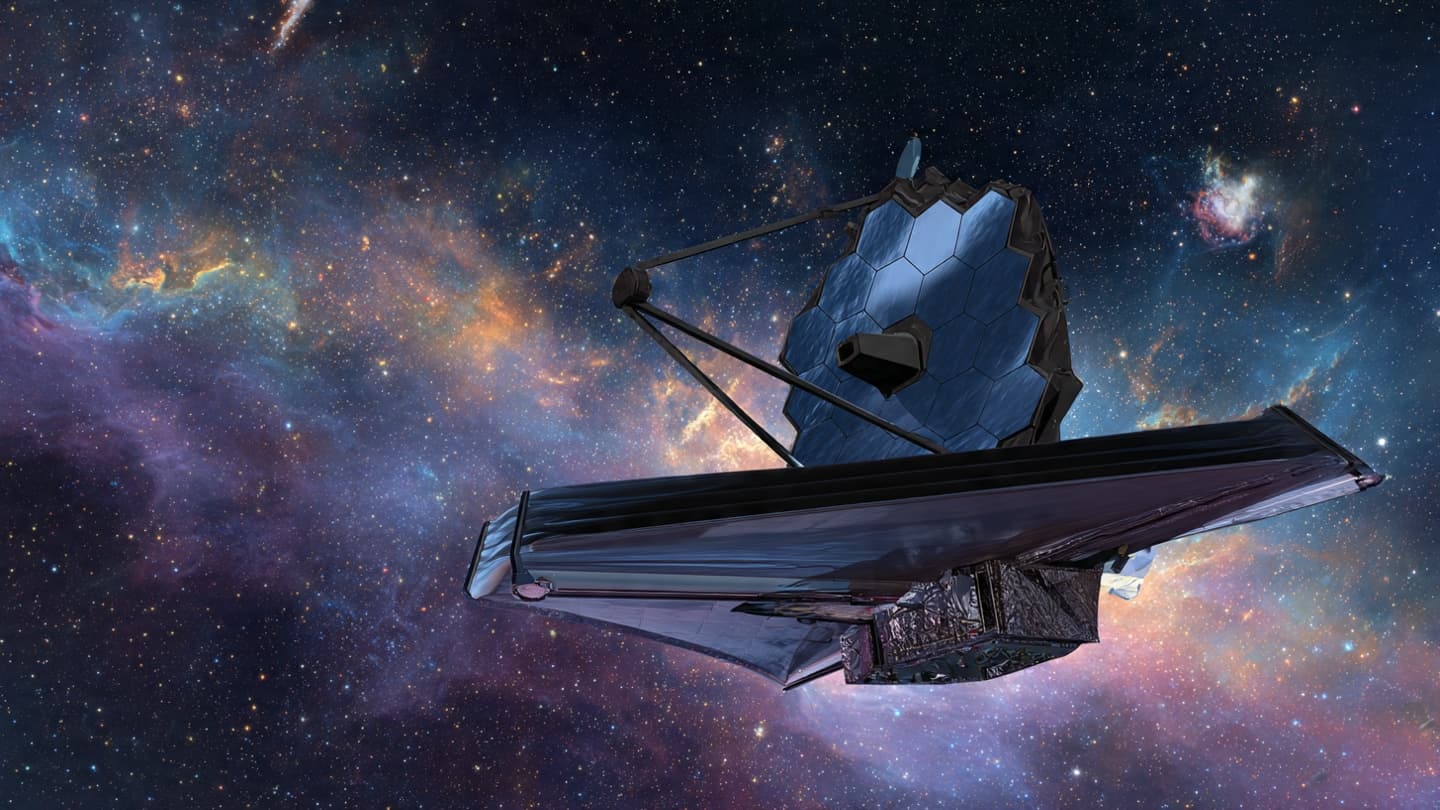
NASA is preparing a new space telescope designed to explore regions of the universe that remain largely hidden from existing instruments. The project aims to deepen scientific understanding of cosmic origins, galaxy formation, and the evolution of the early universe.
Scientists hope the new observatory will complement current missions such as the James Webb Space Telescope by observing different wavelengths or focusing on specific scientific objectives. Such complementary capabilities often enable researchers to construct a more complete picture of cosmic processes.
One of the primary goals involves studying some of the earliest galaxies that formed after the Big Bang. By observing extremely distant objects, astronomers effectively look backward in time because light from those galaxies has traveled for billions of years before reaching Earth.
Advanced detectors and imaging technologies are expected to play central roles in the mission. These instruments may allow scientists to examine faint celestial objects that remain beyond the reach of current observatories.
NASA frequently develops large scientific missions through international cooperation involving universities, research institutions, and partner space agencies. Collaborative efforts help distribute expertise, technology, and financial resources.
Space telescopes have repeatedly transformed astronomy by revealing phenomena invisible from ground-based observatories. Earth's atmosphere, while essential for life, can obstruct or distort certain wavelengths of light.
Although the telescope remains under development, researchers believe it could contribute substantially to future discoveries. As construction progresses, anticipation continues to grow within the scientific community regarding the mission's potential to illuminate previously unseen chapters of cosmic history.
AI Image Disclaimer: Visual content included with this report consists of AI-generated illustrations created for editorial purposes.
Sources (verification check): Reuters, NASA, Space.com, Scientific American
Published by Banx Network. This article is part of the Banx decentralized media programme, powered by the BXE token on the XRP Ledger.