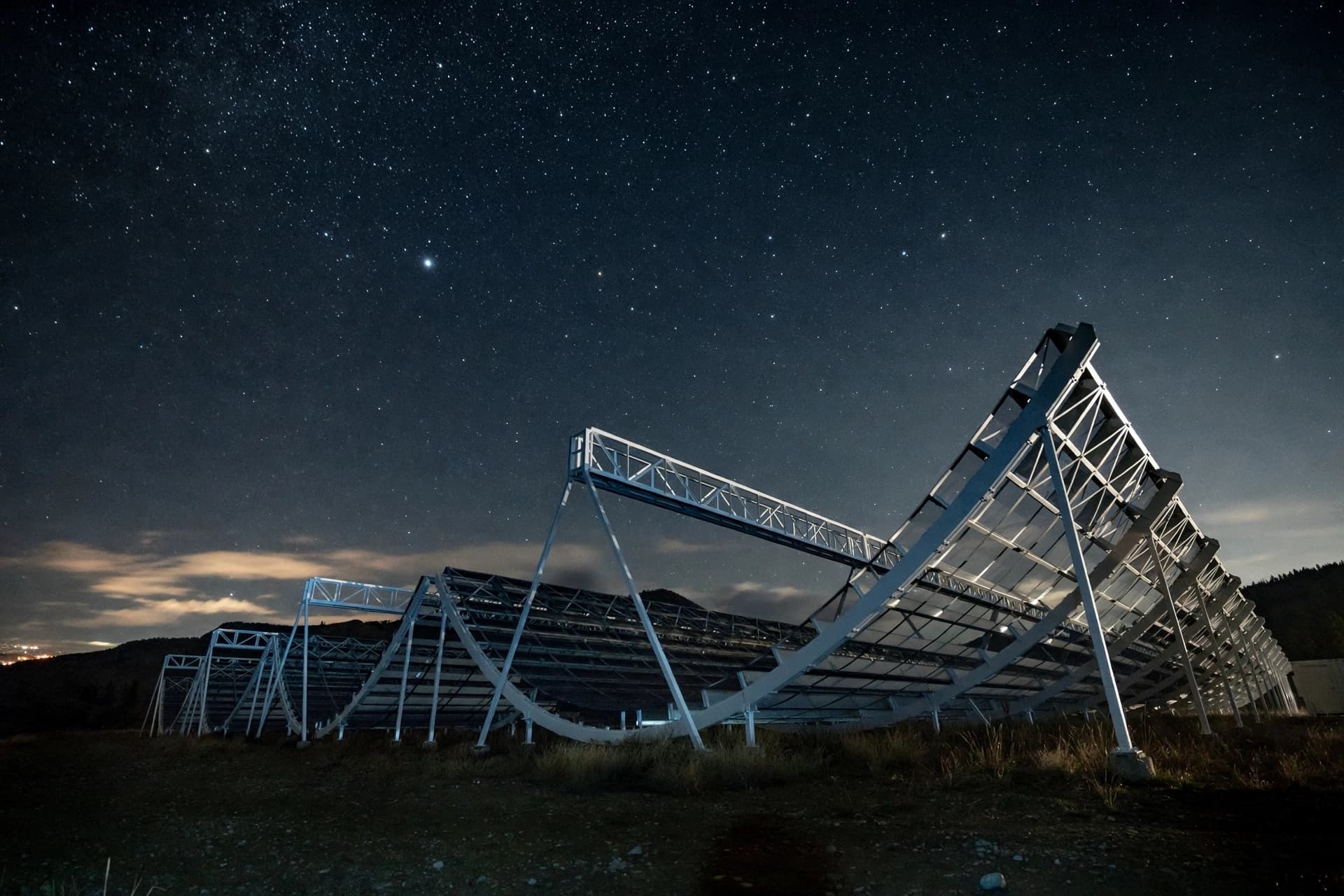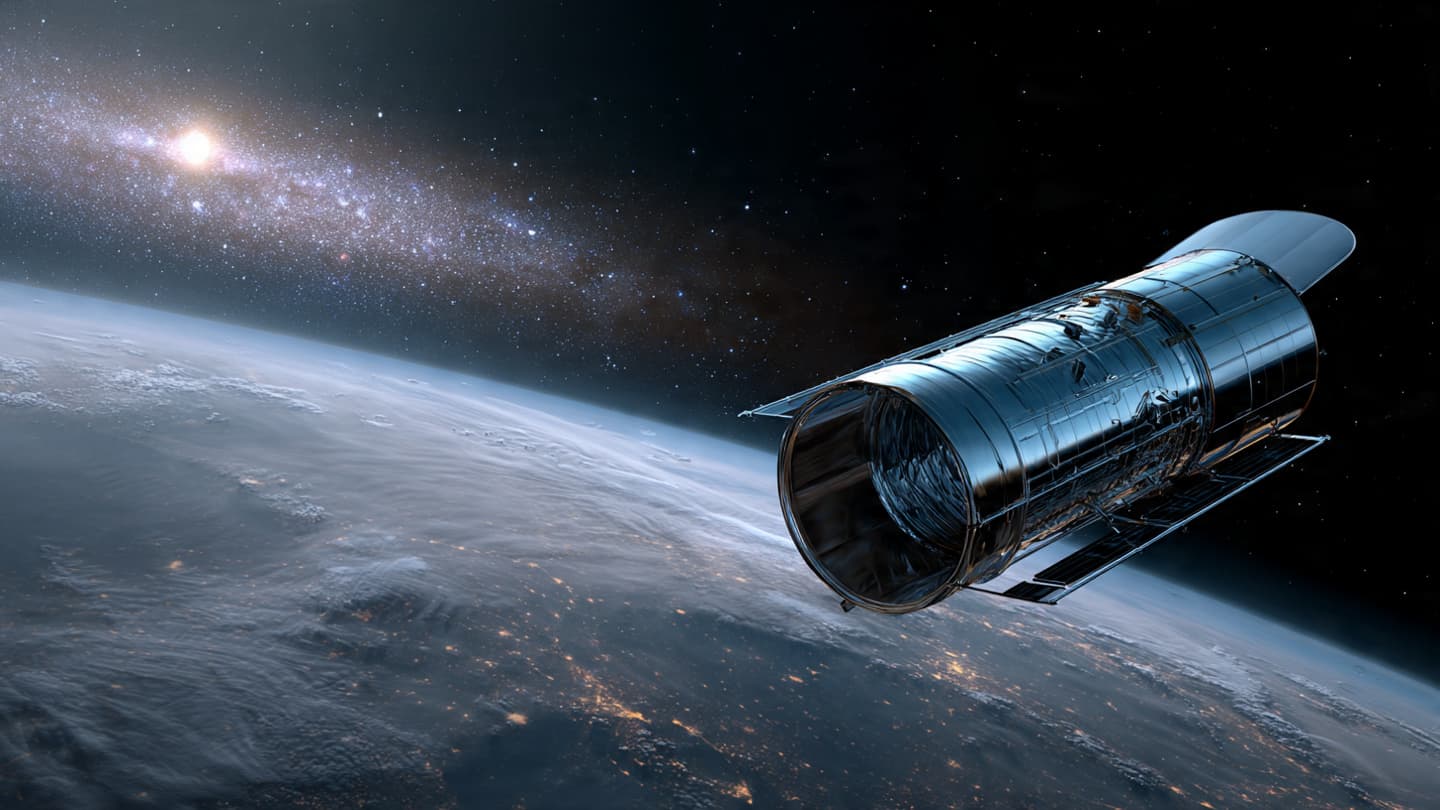
The universe often reveals itself slowly, offering fragments of ancient light across unimaginable distances. Every generation of telescopes has widened humanity’s understanding of existence, uncovering galaxies, stars, and cosmic structures once hidden beyond observation. Now, NASA is preparing a new observatory designed to peer even deeper into the universe than previous missions allowed.
The telescope project aims to study the formation of galaxies, the expansion of the cosmos, and the mysterious force known as dark energy. Scientists believe the observatory will help answer questions about how the universe evolved after the Big Bang and why cosmic expansion appears to be accelerating.
Modern astronomy increasingly depends on highly sensitive instruments capable of detecting faint light traveling for billions of years. Because observing distant galaxies also means observing the past, advanced telescopes effectively function as historical records of the early universe.
NASA engineers and partner institutions have spent years designing the observatory’s optical systems, sensors, and data-processing technologies. Space telescopes require extraordinary precision because even minor technical errors can significantly affect scientific measurements collected across vast distances.
The mission also reflects broader international cooperation in space science. Large-scale astronomy projects often involve universities, research institutes, and space agencies from multiple countries working together across decades of development and planning.
Researchers hope the telescope will complement discoveries already made by instruments such as the James Webb Space Telescope and the Hubble Space Telescope. Each observatory contributes different capabilities, allowing scientists to study cosmic structures through multiple wavelengths and analytical methods.
Dark energy remains among the greatest mysteries in modern physics. Although scientists observe its apparent effects on cosmic expansion, its true nature remains poorly understood. Improved observational data may help researchers refine theories regarding the universe’s long-term evolution.
Public fascination with space exploration continues growing partly because astronomy connects scientific inquiry with profound philosophical reflection. Questions about cosmic origins, planetary systems, and the scale of the universe often inspire curiosity far beyond academic research communities.
As NASA moves closer to launching the new telescope, the project represents another continuation of humanity’s long tradition of looking upward in search of understanding. Across centuries of scientific progress, telescopes have repeatedly transformed small points of light into deeper stories about the structure and history of the universe itself.
AI Image Disclaimer: Some space imagery connected to this article includes AI-generated artistic interpretations inspired by astronomical research.
Sources Reuters NASA ScienceDaily European Space Agency
Published by Banx Network. This article is part of the Banx decentralized media programme, powered by the BXE token on the XRP Ledger.