
Key Highlights
- Death Toll:Officials confirm rising fatalities as recovery efforts continue.
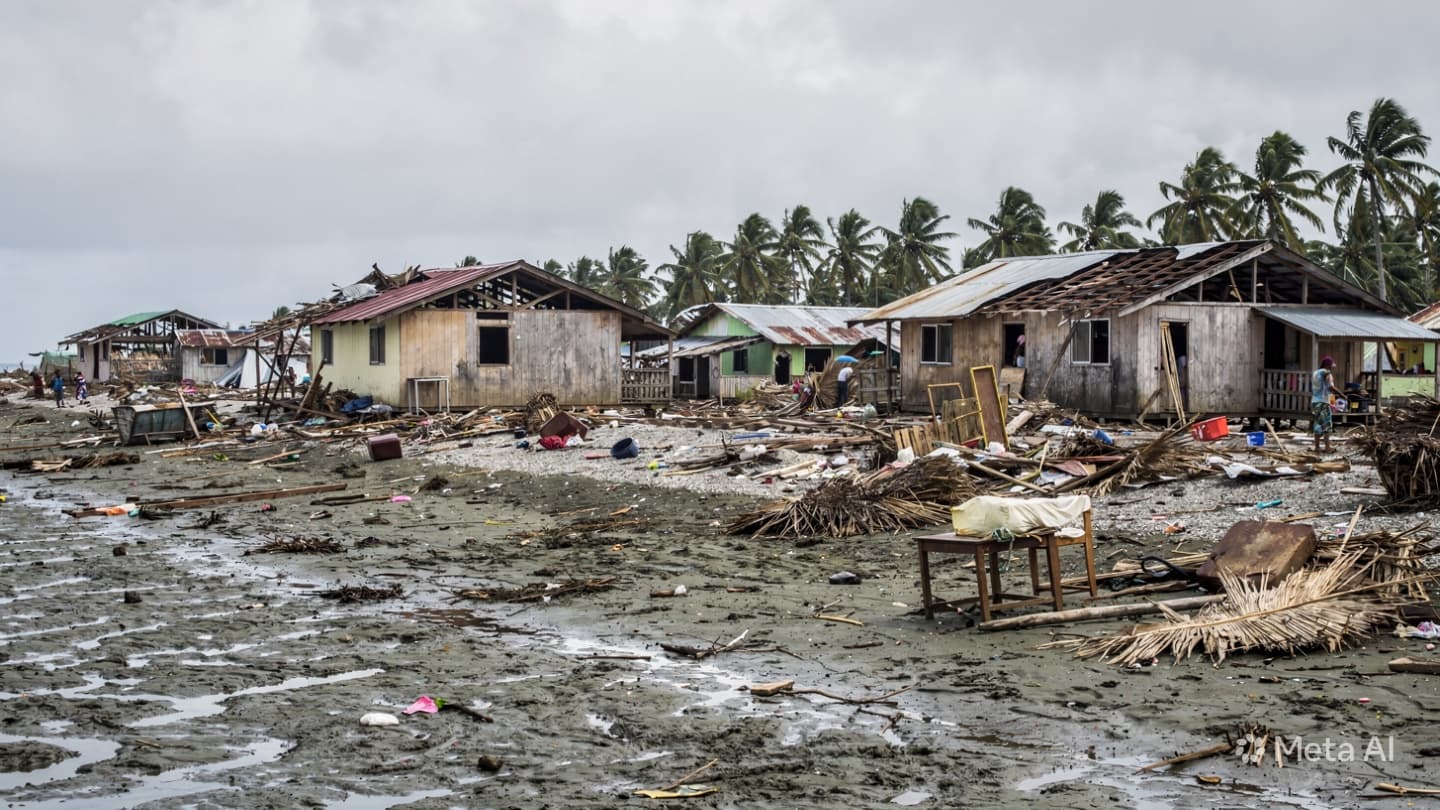
- Infrastructure Damage:Homes and clinics destroyed, clean water scarce.
- International Aid:Urgent calls for maritime support to deliver aid.
Honiara, Solomon Islands—The true scale of the catastrophe is finally emerging as communications are restored to the outer provinces. Officials confirmed a grim surge in the death toll this morning, with families still digging through mud and splintered timber in search of missing relatives. The government has struggled to coordinate an effective response across the archipelago, with logistics remaining the primary obstacle to basic aid delivery.
Emergency responders finally reached the hardest-hit villages on the western coast late yesterday. What they found were scenes of total destruction. Entire clusters of homes were swept away by storm surges and winds, leaving communities devastated. Clean water is practically non-existent in these areas, and local clinics are flooded and stripped of medical supplies, exacerbating the crisis.
The Ministry of Health issued a desperate plea for international maritime support, emphasizing the need for ships to navigate the debris-strewn channels, as planes cannot land on the damaged airstrips. Medical teams are rationing antibiotics and basic dressing kits, with every hour wasted increasing the risk of secondary infections among the injured.
Residents are living in makeshift shelters constructed from salvaged roofing iron and tarpaulins. Rain continues to fall, significantly slowing recovery efforts. Many people have gone days without a decent meal, as local market supply chains have completely collapsed under the weight of the disaster. The situation is dire, with families struggling to find food and shelter.
Government spokespeople admit that they are overwhelmed by the current crisis. Bureaucratic delays are hampering the distribution of essential fuel for generators, leaving many areas without power. The capital feels light-years away from the suffering in the provinces, and distrust in the official response is growing among the displaced populations, who feel abandoned in their time of need.
International aid agencies are finally arriving, but they face immense challenges on the ground. Unmarked hazards lurk beneath the floodwaters in many residential zones, and the structural integrity of remaining buildings is highly questionable. Families are being advised to stay clear of the shoreline as the risk of further disasters looms.
Officials expect the casualty figures to continue rising over the next forty-eight hours. They are currently shifting focus from search operations to disease prevention, as the threat of waterborne illnesses is now considered a paramount concern. Coordination between regional governments remains fractured and slow to materialize, complicating the response efforts.
The sun is barely penetrating the heavy cloud cover this afternoon, but authorities remain focused on reaching the most isolated communities by dusk. There is no clear timeline for when essential services will resume operations, leaving many in uncertainty and fear.
Published by Banx Network. This article is part of the Banx decentralized media programme, powered by the BXE token on the XRP Ledger.



