In the vast, silent theater of the cosmos, galaxies often wear their histories on their sleeves, written in dust and starlight. Messier 64, known affectionately as the Black Eye Galaxy, bears a distinctive mark—a broad, dark band of absorbing dust that sweeps across one side of its bright nucleus, resembling a bruised eye. Recently, NASA’s Hubble and James Webb Space Telescopes joined forces to capture this celestial feature in unprecedented detail, offering a composite view that reveals both its violent past and its vibrant present.
The collaboration between these two iconic observatories allows astronomers to see beyond the visible spectrum. Hubble, with its keen eye for ultraviolet and visible light, highlights the brilliant blue clusters of young, hot stars and the intricate structure of the galaxy’s spiral arms. Webb, operating in the infrared, pierces through the obscuring dust clouds, revealing the warm glow of older stellar populations and the hidden processes of star formation that lie beneath the surface. Together, they provide a holistic portrait of M64.
Located approximately 17 million light-years away in the constellation Coma Berenices, the Black Eye Galaxy is not just visually striking but dynamically complex. It is characterized by a bizarre internal motion: while the inner region of the galaxy rotates in one direction, the outer gas disk rotates in the opposite direction. This counter-rotation suggests a dramatic history, likely involving a merger with another galaxy billions of years ago. The "black eye" itself is thought to be the result of this ancient collision, which compressed gas and triggered a burst of star formation.
The new image, released as the space photo of the day for August 18, 2026, showcases the power of multi-wavelength astronomy. By combining data from March 20, 2026, observations, scientists have created a visualization that is both scientifically rich and aesthetically stunning. The contrast between the cool, dark dust lanes and the fiery pink regions of ionized hydrogen gas illustrates the dynamic interplay of forces that shape galactic evolution.
For researchers, such images are more than just pretty pictures; they are data-rich maps. The infrared capabilities of Webb allow for the study of dust composition and temperature, while Hubble’s resolution helps pinpoint the ages of specific star clusters. This synergy enables a deeper understanding of how galaxies grow, merge, and change over cosmic time. It also provides context for our own Milky Way, which has its own history of gravitational interactions.
The public response to the image has been one of awe, reminding us of the enduring appeal of space exploration. In an era where digital distractions are constant, the sheer scale and beauty of the universe offer a moment of perspective. The Black Eye Galaxy, with its mysterious mark, invites viewers to contemplate the violence and creativity inherent in the cosmos. It is a reminder that destruction and creation are often two sides of the same coin.
As telescopes continue to evolve, collaborations like this will become increasingly common. The ability to cross-reference data from different instruments enhances the accuracy of astronomical models and reduces uncertainties. For M64, this combined view helps resolve longstanding questions about its mass distribution and star formation rate. It sets a precedent for future studies of other peculiar galaxies.
Ultimately, the image of the Black Eye Galaxy serves as a testament to human curiosity and technological achievement. By looking deeper and broader than ever before, we gain not just knowledge but a sense of connection to the universe. In the dark eye of M64, we see a reflection of our own desire to understand the unknown, illuminated by the light of distant stars.
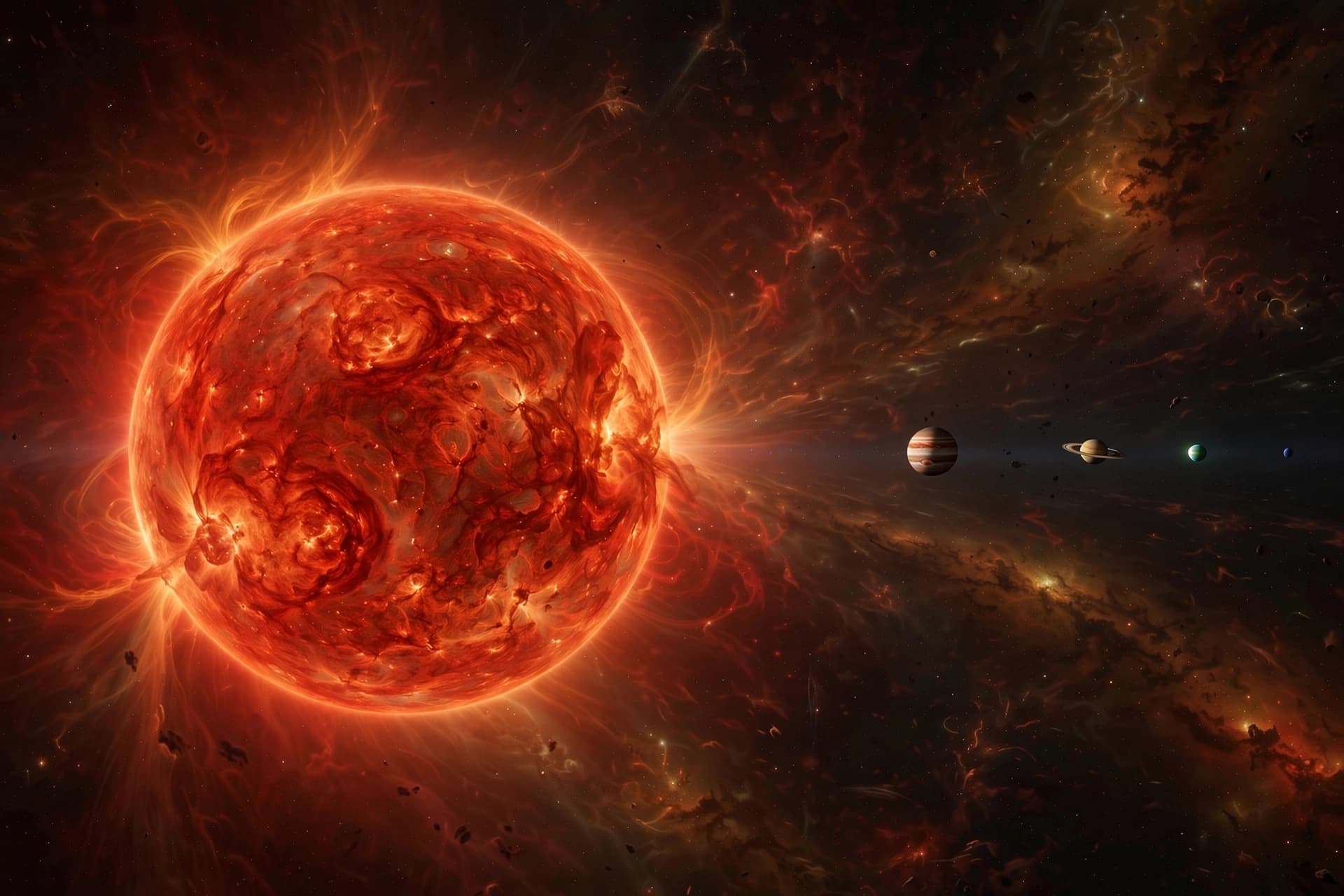
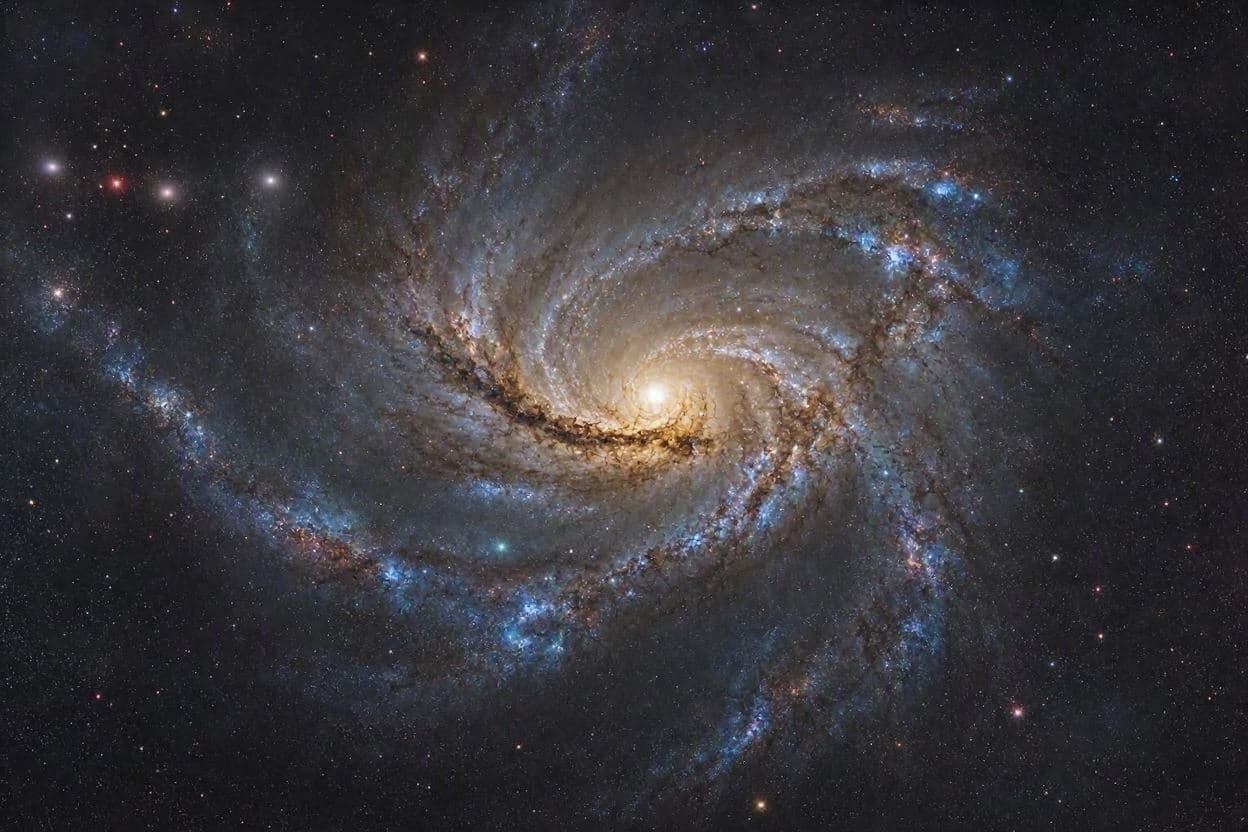
AI Image Disclaimer: The visual elements in this article are AI-generated illustrations depicting spiral galaxies and telescope concepts, designed to reflect the themes of astronomical observation without showing the actual proprietary NASA/ESA composite image.
Sources: NASA, Phys.org, Facebook (NASA Hubble), Science.nasa.gov
Published by Banx Network. This article is part of the Banx decentralized media programme, powered by the BXE token on the XRP Ledger.