
Key Highlights
- Enhanced Training:The Royal Navy is focusing on improving its capabilities to detect and respond to drone threats.
- Coordinated Defense:Crews are rehearsing full 'find-to-engage' scenarios with live and simulated targets.
- Hybrid Platforms:The Navy is exploring new hybrid systems to work alongside uncrewed technologies.
The Royal Navy is intensifying its training programs to better prepare for the evolving landscape of unmanned aerial threats. As drone technology becomes increasingly sophisticated, the Navy's focus is on enhancing its ability to detect, classify, and respond to these fast-moving challenges. This initiative is part of a broader strategy to ensure that naval forces remain effective in modern warfare scenarios.
Training exercises now include comprehensive 'find-to-engage' scenarios, where crews practice responding to swarms of drones and high-speed attacks. These drills utilize both live and simulated targets, allowing personnel to refine their skills in real-time situations. The emphasis on practical training is crucial, as it not only improves operational readiness but also strengthens damage-control capabilities during complex incidents.
In addition to improving detection and response, the Royal Navy is aligning its sensors and weapons systems into a coordinated, layered air-defense approach. This strategy aims to create a more integrated defense network that can effectively counter multiple threats simultaneously. By synchronizing various systems, the Navy seeks to enhance its overall situational awareness and response times.
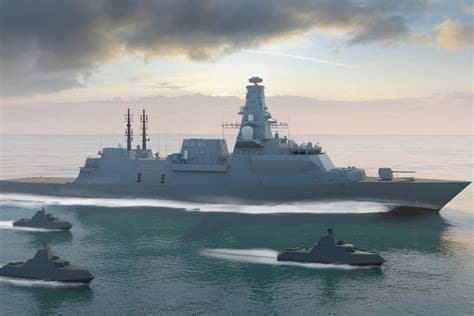
Moreover, the Royal Navy is exploring the development of hybrid platforms that can command and operate alongside uncrewed systems. This innovative approach is designed to leverage the strengths of both manned and unmanned technologies, providing a more versatile and effective response to emerging threats. As the nature of warfare continues to evolve, the Navy recognizes the importance of adapting its training and operational strategies to maintain a competitive edge.
The integration of drone technology into naval operations is not just about defense; it also opens up new possibilities for offensive capabilities. By utilizing drones for reconnaissance and targeting, the Royal Navy can enhance its operational effectiveness while minimizing risks to personnel. This shift towards incorporating advanced technologies reflects a broader trend within military organizations worldwide, as they seek to modernize their forces in response to changing threats.
As the Royal Navy continues to refine its training programs and explore new technologies, it remains committed to ensuring that its personnel are well-prepared to face the challenges of modern warfare. The ongoing evolution of drone capabilities will undoubtedly play a significant role in shaping the future of naval operations.
Published by Banx Network. This article is part of the Banx decentralized media programme, powered by the BXE token on the XRP Ledger.



