

Key Highlights
- South Korea is reviewing electoral procedures following recent election challenges.
- President Lee Jae-myung emphasizes the need for public confidence in democracy.
- Civil society groups are contributing recommendations for electoral improvements.
[South Korea's Electoral Review]
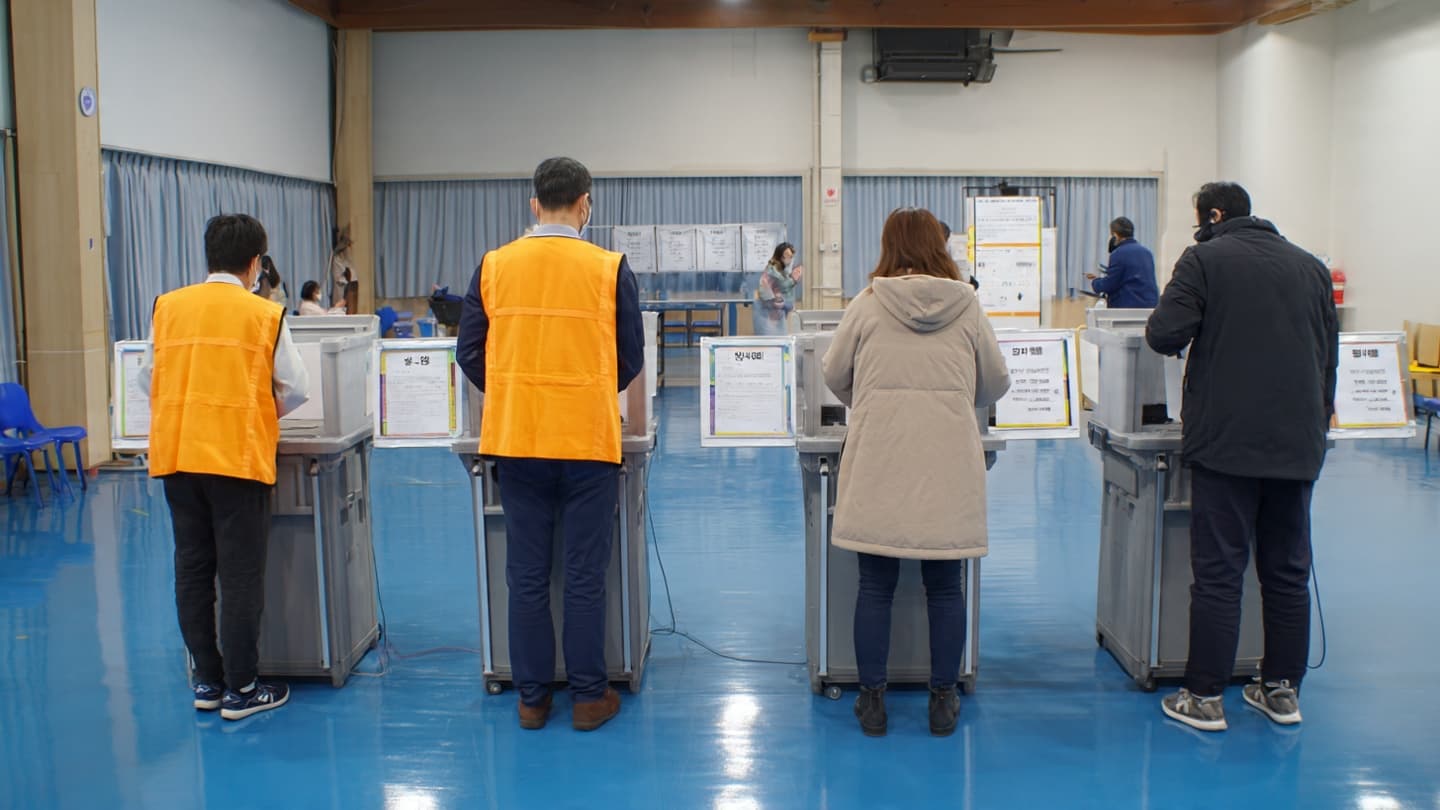
Democracy is often compared to a living institution, one that requires constant attention rather than occasional repair. In South Korea, recent discussions surrounding election administration have renewed debate about how democratic systems can adapt and improve after moments of controversy. The government has begun evaluating electoral procedures following concerns raised during the latest voting process. While the election itself proceeded according to established legal frameworks, reports of administrative challenges prompted calls for a broader review of operational systems.
President Lee Jae-myung has emphasized the importance of maintaining public confidence in democratic institutions. Officials have stated that examining procedures is not merely a response to criticism but also part of a long-term effort to strengthen electoral transparency and efficiency. This commitment to reform is crucial in a society where public trust in democratic processes is paramount.
[Public Expectations and Technological Infrastructure]
South Korea is widely recognized for its advanced technological infrastructure and active civic participation. As a result, public expectations regarding election management remain particularly high. Even relatively limited disruptions can attract considerable public attention. Election experts note that reviewing voting systems is a common practice among democratic nations. Audits, procedural assessments, and administrative reforms are frequently conducted to identify areas where future elections can be improved.
[Role of Civil Society]
Civil society groups have also joined the conversation. Advocacy organizations, academic researchers, and election observers are contributing recommendations regarding voter access, ballot handling procedures, and technological safeguards. Their involvement underscores the collaborative nature of democratic governance, where multiple stakeholders work together to enhance electoral integrity.
[Trust in Democratic Institutions]
Beyond administrative questions, the discussion highlights the broader relationship between citizens and democratic institutions. Public trust often depends not only on election outcomes but also on confidence in the processes that produce those outcomes. As South Korea navigates these challenges, the government is keenly aware that transparency and accountability are essential to restoring and maintaining public trust.
[International Observers and Lessons Learned]
International observers continue to monitor developments with interest. South Korea's experience may offer lessons for other democracies facing similar challenges related to election administration in an increasingly digital era. As the review moves forward, government officials have reiterated their commitment to transparency and accountability. The process is expected to shape future electoral reforms and contribute to ongoing discussions about democratic resilience.
Published by Banx Network. This article is part of the Banx decentralized media programme, powered by the BXE token on the XRP Ledger.




