There are landscapes that remember thirst the way others remember rain. In these places, time seems to move not in seasons, but in absences—years measured by what did not fall from the sky. And yet, amid such long silences, life does not simply withdraw. It listens, adapts, and, in quiet persistence, reshapes itself. Flowers, delicate as they may appear, have learned to endure even the longest droughts, carrying within them stories written across generations.
The phenomenon of megadroughts—prolonged periods of extreme dryness lasting decades or longer—has pressed ecosystems into unfamiliar forms. For flowering plants, survival under such conditions has required more than resilience; it has demanded transformation. Scientists studying these blooms have found that their evolution is not sudden or dramatic, but gradual, unfolding like a careful negotiation with scarcity.
One of the most striking adaptations lies in timing. Many flowers have shifted their life cycles to respond quickly to rare rainfall. Seeds may lie dormant in the soil for years, waiting with quiet patience until moisture returns. When it does, the response is swift—germination, growth, and flowering compressed into a narrow window, as though the plant is aware that the opportunity may not come again soon.
Beyond timing, structure has also changed. Some flowers have developed smaller leaves or thicker surfaces, minimizing water loss under relentless sun. Others channel resources more efficiently, investing less in prolonged growth and more in rapid reproduction. In this way, the flower becomes less a symbol of abundance and more a testament to precision—each petal and leaf shaped by necessity.
There are also subtler, less visible adaptations. Genetic studies reveal that certain populations have evolved traits that allow them to tolerate dehydration at levels that would have once been fatal. These changes, accumulated over many generations, suggest that even extreme environmental stress can become a shaping force, guiding evolution toward unexpected forms of endurance.
In regions that have experienced historic megadroughts, such as parts of western North America, researchers have observed shifts not only in individual species but in entire plant communities. Some flowers that once dominated have receded, while others—better suited to arid conditions—have quietly taken their place. It is not a sudden replacement, but a gradual rebalancing, as ecosystems adjust to new realities.
And yet, there is a certain humility in these findings. Evolution, after all, does not promise permanence. The traits that allow flowers to survive one era of drought may not be enough for the next, particularly as climate patterns continue to change in unpredictable ways. What appears as adaptation today may become only a temporary answer to a deeper, ongoing question.
In this unfolding story, the flowers do not declare their resilience. They simply persist—adjusting their rhythms, refining their forms, and waiting, always, for the brief return of rain. Their survival is not loud, but it is steady, shaped by the quiet interplay between hardship and possibility.
For scientists, these insights offer both understanding and caution. By tracing how flowers have evolved through past megadroughts, researchers can better anticipate how plant life might respond to future extremes. Such knowledge may inform conservation efforts, guiding the protection of species and habitats most at risk.
In the end, the lesson is carried not in a single bloom, but in the collective memory of many. Even in the driest of times, life finds ways to continue—sometimes by holding on, sometimes by changing, and often by doing both at once.
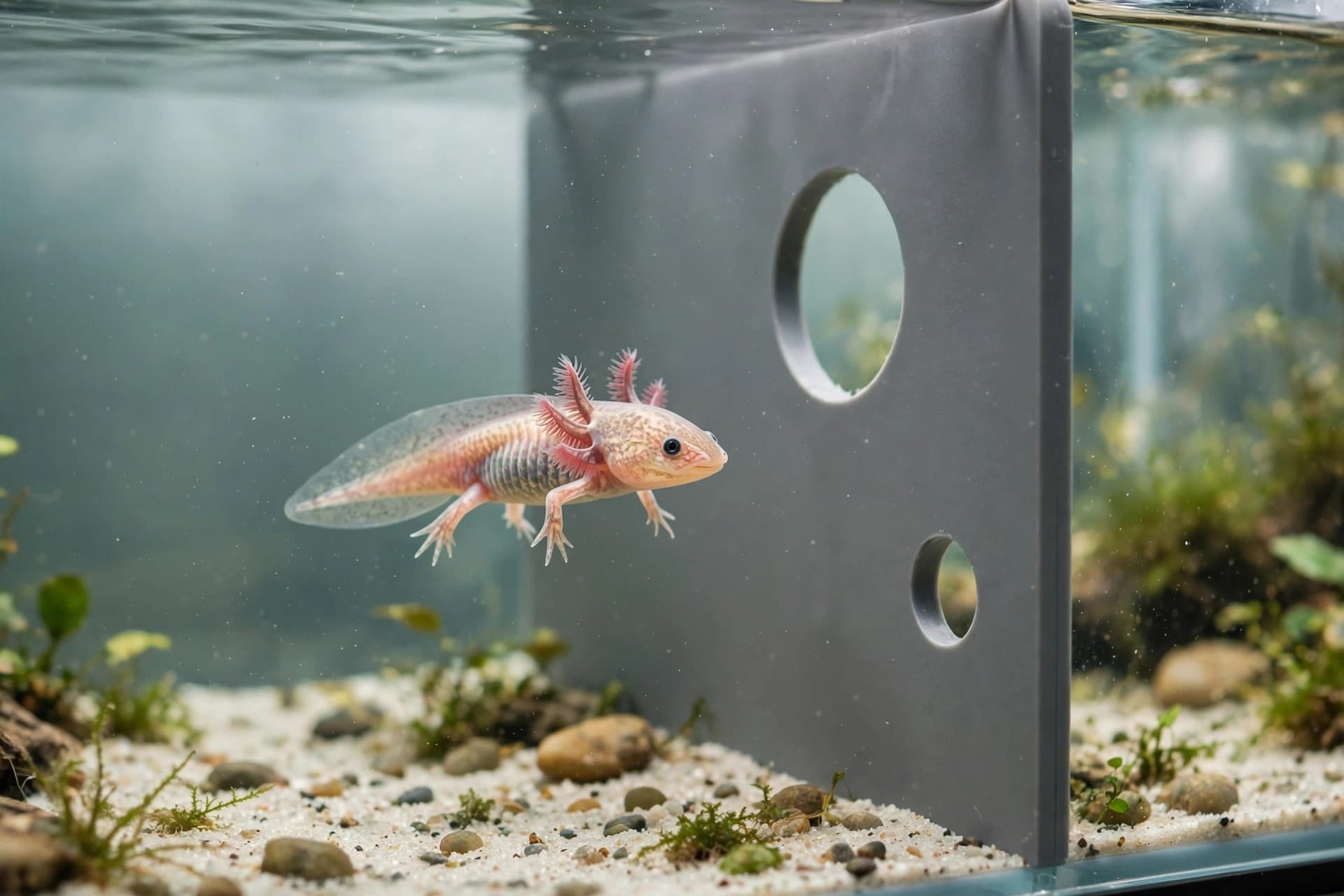
AI Image Disclaimer Illustrations were produced with AI and serve as conceptual depictions.
Source Check — Credible Coverage Exists
Relevant coverage and scientific reporting found in:
BBC News National Geographic The New York Times Science Magazine Smithsonian Magazine
Published by Banx Network. This article is part of the Banx decentralized media programme, powered by the BXE token on the XRP Ledger.