

Key Highlights
- Grass species show remarkable resilience to climate change.
- Biodiversity in grasslands aids recovery from environmental stress.
- Insights from grasses could transform agricultural practices.
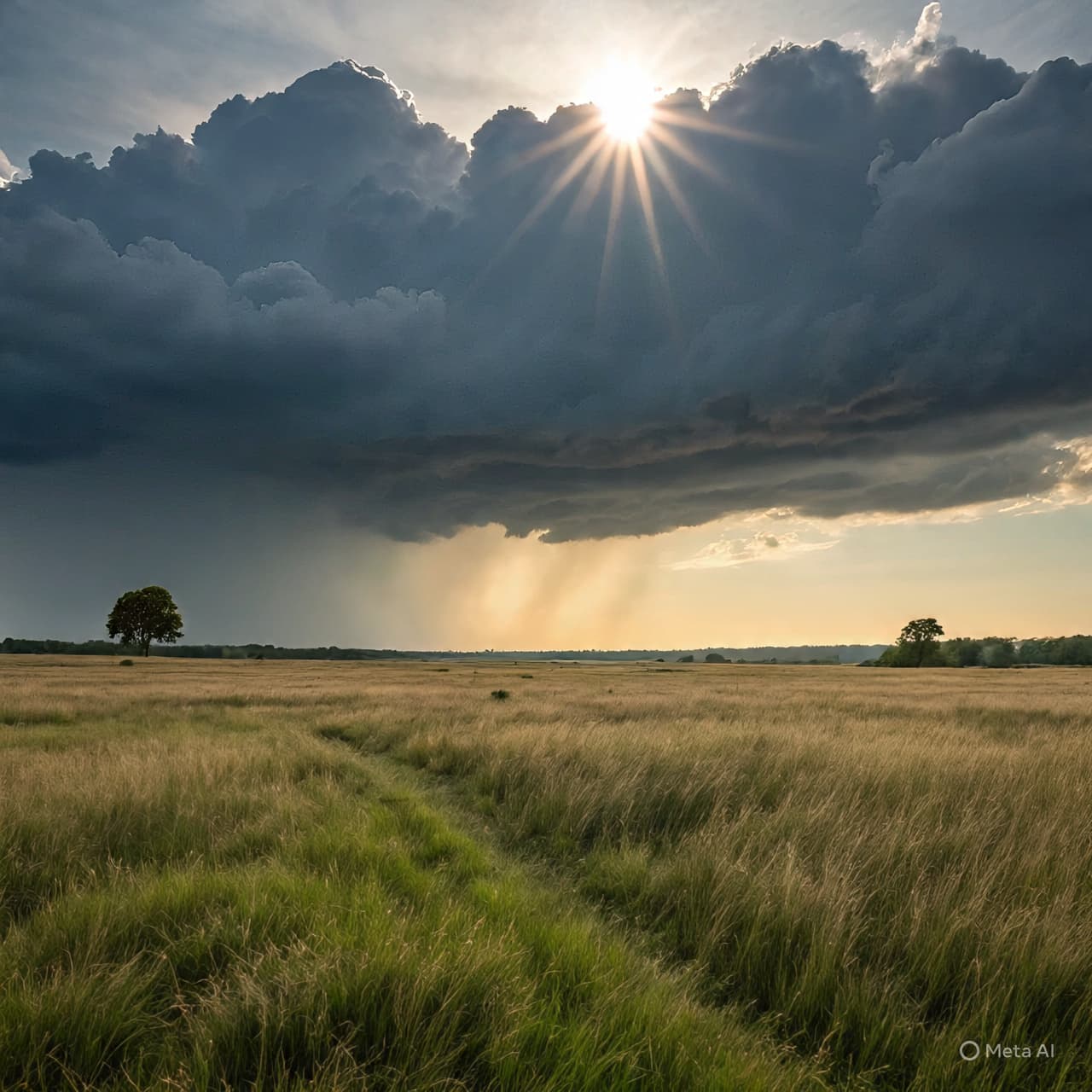
Researchers have long been captivated by the resilience of grass species, which bend without breaking and thrive in challenging conditions. As climate change intensifies, the study of these unassuming plants has taken on new significance. Grasslands, often overlooked in favor of more majestic forests, serve as living laboratories that reveal how ecosystems adapt to environmental stressors such as rising temperatures and erratic rainfall patterns.
Unlike trees that take decades to mature, grasses have short life cycles and can quickly respond to changes in their environment. This adaptability makes them ideal indicators of ecosystem health. Recent studies have shown that certain grass species can modify their growth patterns, root depths, and reproductive cycles in response to stress, demonstrating a form of ecological intelligence that is crucial for survival.
Biodiversity plays a pivotal role in the resilience of grasslands. Research indicates that fields with a diverse array of species recover more rapidly from extreme weather events. This diversity acts as a buffer, providing a natural insurance policy against the uncertainties posed by climate change. As scientists delve deeper into these ecosystems, they are uncovering lessons that could reshape our approach to agriculture and climate adaptation.
The implications of these findings extend beyond the realm of natural ecosystems. By understanding the adaptive traits of resilient grasses, researchers are exploring ways to breed or engineer crops that can withstand environmental stress. This could revolutionize food systems that are increasingly vulnerable to climate fluctuations, emphasizing the importance of working with nature rather than attempting to control it.
Moreover, grasslands are significant carbon sinks, storing vast amounts of carbon underground. Insights into how these ecosystems respond to climate stress could enhance global climate models and improve predictions regarding carbon cycles. As the world grapples with the challenges of climate change, the knowledge gleaned from grasslands may prove invaluable in developing effective mitigation strategies.
However, there is an urgent need to protect these vital ecosystems. Grasslands face threats from urban expansion, intensive agriculture, and the very climate changes they help us understand. The systems that offer clues to resilience are themselves becoming increasingly fragile, highlighting the need for conservation efforts.
Ultimately, the decades of research into grass resilience serve as a gentle reminder that solutions to complex environmental challenges often lie in the quiet observations of nature. As we seek answers to an uncertain climate future, the humble grass may emerge as one of our most patient and insightful teachers, guiding us toward sustainable practices that honor the delicate balance of our ecosystems.
Published by Banx Network. This article is part of the Banx decentralized media programme, powered by the BXE token on the XRP Ledger.




