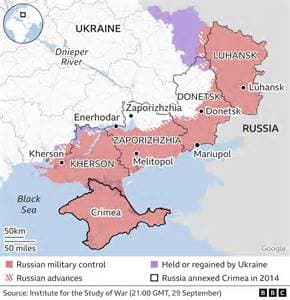
In the ongoing conflict in Ukraine, Chinese and Iranian companies have begun to establish a foothold in territories occupied by Russia, seizing economic opportunities amidst the turmoil. This involvement raises significant questions concerning international sanctions, ethical sourcing, and the shifting balance of global trade. Economic Engagement
Chinese firms are particularly active, engaging in infrastructure projects, resource extraction, and trade relations. Reports indicate that they are participating in rebuilding efforts in these regions, which have been devastated by conflict. This includes investments in construction and energy sectors, often aimed at developing local resources to support the Russian war effort.
Iranian companies have also found avenues for profit, primarily through the supply of goods and services, including agricultural products and technology. These companies often face fewer restrictions than Western firms, making them attractive partners in a landscape increasingly hostile to traditional Western investments. Sanctions and Risks
The activities of these companies come at a time when both Iran and China are subject to various international sanctions, complicating their dealings in Russia-occupied territories. However, the strategic partnership between these nations and Russia provides a buffer, allowing them to operate in ways that circumvent some restrictions. Geopolitical Implications
The involvement of Chinese and Iranian companies has broader implications for international relations. It reflects a growing alignment among nations that challenge Western hegemony, potentially reshaping trade dynamics and geopolitical alliances. As these regions evolve, the role of these nations in bolstering Russia's economy while facing international sanctions could complicate diplomatic efforts to resolve the conflict.
The consequences of this economic engagement will likely resonate far beyond the immediate region, influencing global markets, international policy, and the future landscape of Eastern European geopolitics. The unfolding situation serves as a critical reminder of how economic interests can persist even in the face of conflict and international tension.
Published by Banx Network. This article is part of the Banx decentralized media programme, powered by the BXE token on the XRP Ledger.