Introduction
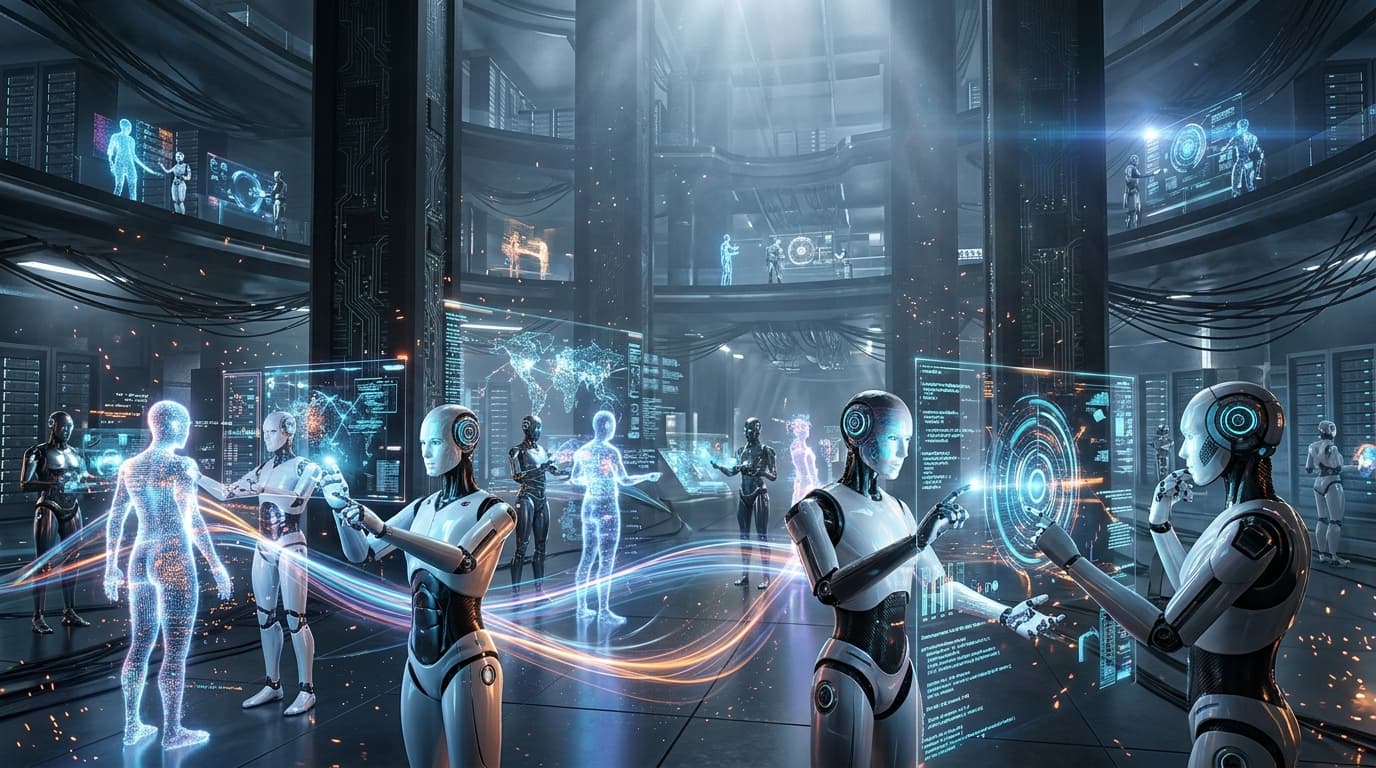
The world is entering a new era where Artificial Intelligence (AI) is not just a tool but a driving force behind innovation, productivity, and global competitiveness. At the same time, Blockchain is emerging as the backbone of decentralized trust and transparent value exchange. When combined, these two technologies are set to redefine the foundations of the global economy.
AI as the New Engine of Productivity
For centuries, economic growth has been tied to human labor and technological innovation. AI changes this equation fundamentally. •Automation at scale: AI is capable of performing tasks traditionally reserved for humans — from medical diagnostics to financial analysis — with greater accuracy and speed. •Cost reduction: Companies adopting AI-driven processes cut operational expenses and maximize efficiency. •New value creation: Entirely new industries, such as generative AI, autonomous logistics, and personalized medicine, are being born.
Economists estimate that AI could contribute $15 trillion to the global economy by 2030, making it the single largest driver of growth in this century.
The Blockchain Factor: Building Trust in a Digital World
While AI delivers intelligence and automation, it still requires a foundation of trust. This is where blockchain enters the stage. •Data integrity: Blockchain ensures that the data feeding AI systems is authentic, tamper-proof, and verifiable. •Decentralization: Removes dependency on single corporations, redistributing control to communities and ecosystems. •Transparency: Every decision, every transaction, every data input can be traced and audited, solving the “black box” problem of AI.
Together, AI and blockchain create a system where intelligence is not only powerful but also accountable.
Convergence: AI + Blockchain = Economic Revolution
The convergence of AI and blockchain is not a distant dream; it’s already happening. •Decentralized AI marketplaces are enabling developers to share, monetize, and access AI models without intermediaries. •Smart contracts with AI allow for real-time decision-making in financial markets, supply chains, and governance. •Tokenization of data: Individuals can own, trade, and be rewarded for the data that fuels AI algorithms, creating a new form of digital economy.
This synergy represents the foundation of what many call the “Intelligence Economy.”
Implications for the Global Economy 1. Geopolitical Power Shift : Nations leading in AI and blockchain will dominate future economic and political landscapes. 2. Inclusive Growth : Tokenized ecosystems allow individuals and small businesses to participate in value creation globally. 3. Redefinition of Work : Humans will focus on creativity, empathy, and leadership, while machines handle repetitive or analytical tasks. 4. Financial Innovation : From decentralized finance (DeFi) to Central Bank Digital Currencies (CBDCs), AI-driven blockchain systems will power the next generation of money.
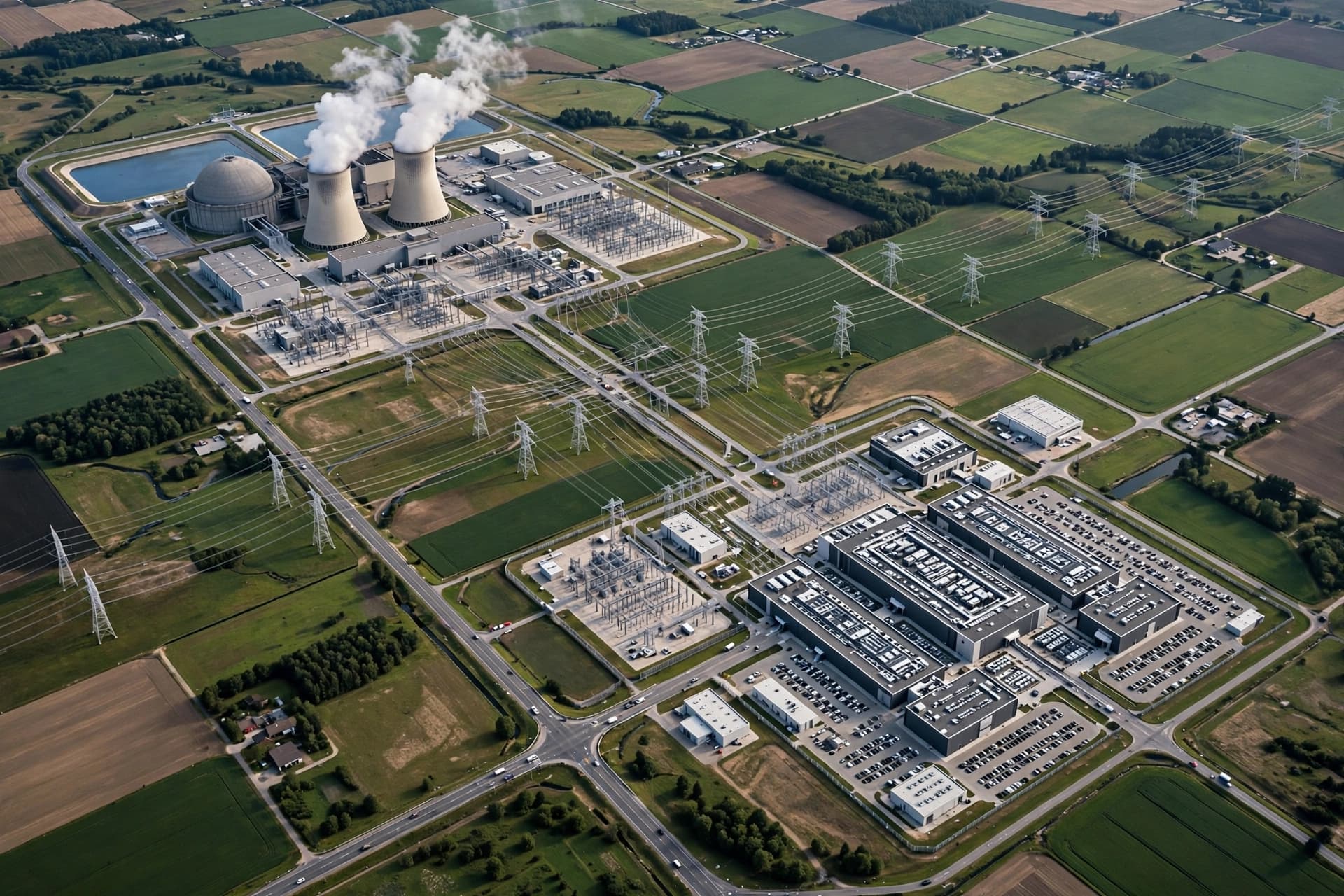
Challenges Ahead •Ethics and Bias: AI must be trained on transparent and inclusive data. •Scalability: Both AI and blockchain consume significant energy and computational resources. •Regulation: Governments must strike a balance between innovation and protection.
Without addressing these, the benefits may remain unevenly distributed.
Conclusion
The future global economy will not be defined by one single technology but by the fusion of intelligence and trust. Artificial Intelligence provides the brain, while Blockchain provides the backbone. Together, they create a digital ecosystem where innovation thrives, transparency is guaranteed, and opportunities expand to all corners of the world.
The revolution has already begun; the only question is: are we ready to embrace it?
Published by Banx Network. This article is part of the Banx decentralized media programme, powered by the BXE token on the XRP Ledger.