The winds that sweep across the Prairies carry more than just dust and seeds; they carry the whispers of distant oceans. When the Pacific Ocean warms in a phenomenon known as El Niño, the effects ripple across continents, shaping weather patterns thousands of miles away. A "super" El Niño, characterized by exceptionally high sea surface temperatures, promises to bring significant changes to the Canadian and American Prairies. For farmers, residents, and ecosystems, understanding these shifts is crucial for preparation and resilience.
Historically, El Niño events have been associated with warmer and drier winters in the northern Prairies. This pattern can reduce snowpack, which is vital for spring soil moisture. For agricultural communities, this means a higher risk of drought during the growing season. Crops like wheat and canola, which rely on consistent moisture, may face stress if precipitation levels drop. The memory of past droughts lingers, making every forecast a matter of serious concern.
However, the impacts are not uniform. Some regions may experience milder temperatures that extend the grazing season for livestock, offering a brief reprieve from harsh winters. Others might face increased variability, with sudden storms or unseasonable rain. The complexity of climate systems means that predictions are probabilistic, not certain. Farmers must remain flexible, adapting their strategies to a range of possible outcomes. It is a dance with nature, requiring both skill and luck.
Water resources are another critical factor. Reduced snowmelt can lead to lower river flows and depleted reservoirs in the spring and summer. This affects irrigation capabilities, municipal water supplies, and aquatic habitats. Conservation efforts become even more important during El Niño years, as communities work to manage limited resources efficiently. Every drop counts when the sky is stingy with rain.
Ecologically, the changes can be profound. Warmer winters may allow pests and diseases to survive in greater numbers, posing threats to crops and forests in the following year. Bird migration patterns might shift, affecting local biodiversity. The interconnectedness of the ecosystem means that a change in one element can trigger a cascade of effects. Monitoring these changes helps scientists and land managers respond proactively.
For policymakers, the prospect of a super El Niño highlights the need for robust support systems. Disaster relief programs, insurance schemes, and research funding are essential tools for helping communities cope. Investment in drought-resistant crop varieties and water-saving technologies can build long-term resilience. Preparation is not just about reacting to crisis but about building capacity to withstand it.
Public awareness plays a key role in mitigation. Educating residents about water conservation, fire safety, and sustainable farming practices empowers them to take action. Community initiatives, such as rainwater harvesting and soil health programs, can make a significant difference. When people understand the risks, they are better equipped to protect their homes and livelihoods. It is a collective effort rooted in knowledge.
In the end, a super El Niño is a reminder of our connection to the global climate system. It challenges us to adapt, innovate, and cooperate. As the Prairies prepare for potential warmth and dryness, the hope is for wisdom and foresight to guide their steps. The land has endured many cycles, and with care, it will continue to sustain those who call it home. We watch the skies, and we prepare.
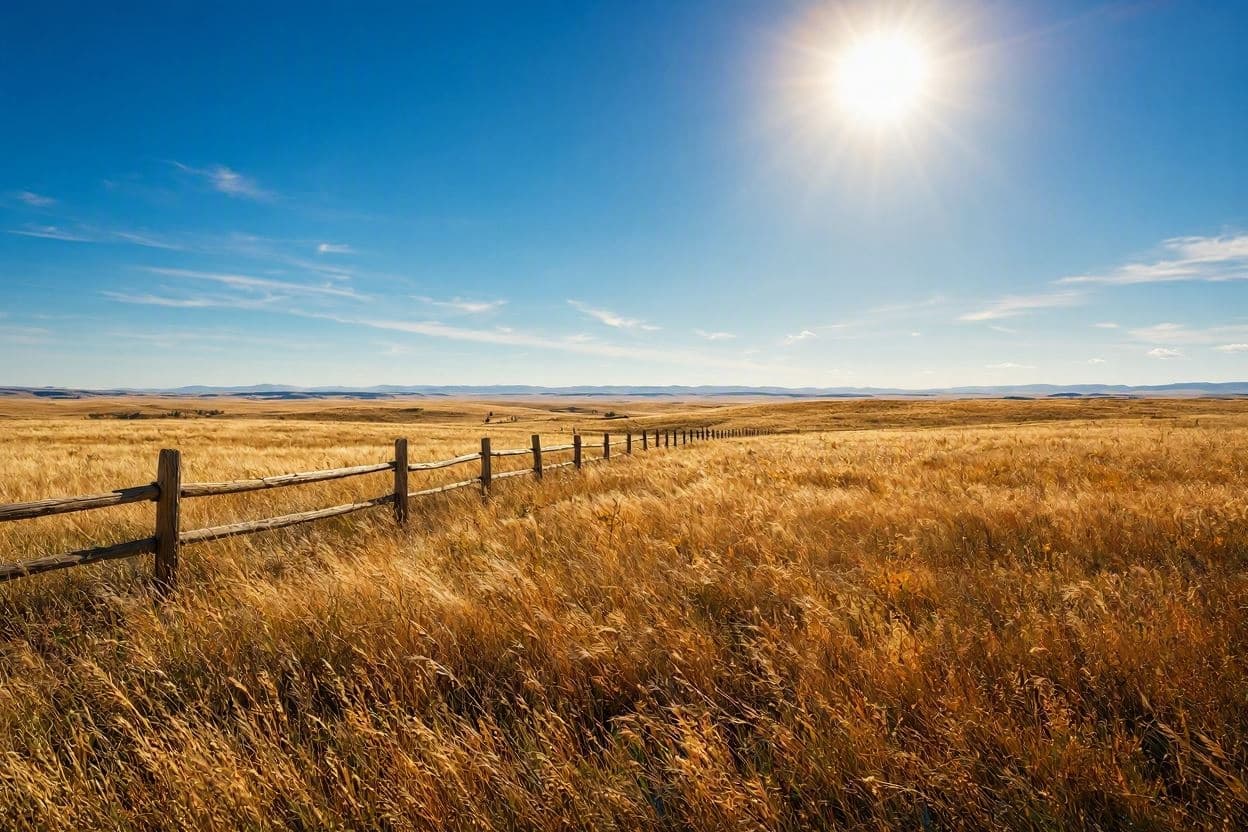
AI Image Disclaimer: The images accompanying this article are AI-generated artistic interpretations of Prairie landscapes and weather phenomena, not actual photographs of specific meteorological data or drought conditions.
Sources: Environment and Climate Change Canada National Oceanic and Atmospheric Administration (NOAA) The Western Producer
Published by Banx Network. This article is part of the Banx decentralized media programme, powered by the BXE token on the XRP Ledger.