The language of war often arrives quietly at first — not with thunder, but with words measured carefully before they reach the public ear. Sometimes those words carry a gravity heavier than any headline, preparing a nation for realities not yet fully seen. In moments of rising conflict, leaders speak not only to allies and adversaries, but to families waiting at home, listening for reassurance in uncertain times. This week, as tensions between the United States and Iran deepen, President Donald Trump’s warning that more American troops will “likely” die has settled over the global conversation like a distant storm cloud, signaling that the conflict may stretch beyond its opening chapter.
In a video address released on social media, Trump acknowledged the deaths of three U.S. service members killed during ongoing military operations linked to joint U.S.–Israeli strikes against Iranian targets. While honoring the fallen, he told Americans that additional casualties were probable before the campaign concludes, describing the operation as a mission that would continue until all strategic objectives are achieved.
The remarks came as the Pentagon confirmed that several other troops were seriously wounded during retaliatory attacks believed to be connected to Iran’s response to the strikes. Military officials described the situation as fluid, with American forces across the region facing missile and drone threats targeting bases and allied positions.
Trump framed the campaign as necessary to prevent Iran from becoming a greater strategic threat, arguing that allowing Tehran to expand missile and nuclear capabilities would pose long-term dangers to American security. His message appeared aimed at preparing the public for a prolonged confrontation, one defined less by rapid victory than by endurance and uncertainty.
Across diplomatic circles, allies have begun adjusting to the widening implications of the conflict. European partners have increased defensive coordination, while regional governments brace for further escalation following Iranian vows of retaliation. Analysts note that the scale of strikes — reportedly hitting hundreds of targets — suggests a campaign whose consequences may unfold gradually rather than decisively.
Behind official briefings lies a quieter human dimension: families awaiting updates, service members operating under heightened alert, and a public grappling with the familiar yet sobering reality that modern warfare often extends beyond clear timelines. The president’s acknowledgment of likely losses reflects both military expectations and the unpredictable nature of retaliatory conflict, where action and response form an unsteady rhythm.
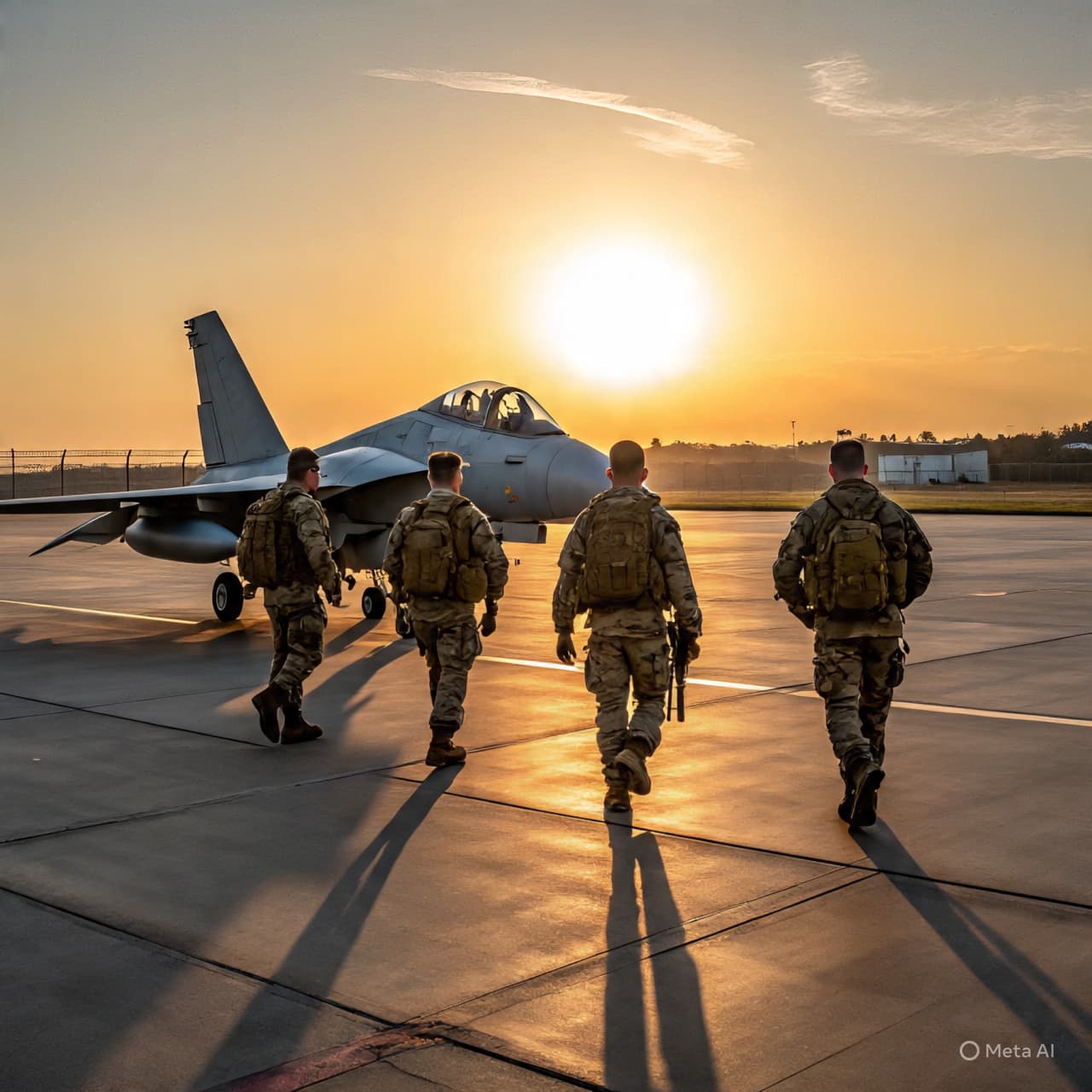
For now, U.S. combat operations continue across multiple fronts in the region, with military leaders emphasizing force protection and readiness amid ongoing attacks and counterattacks. As statements from Washington and Tehran continue to shape the narrative, the trajectory of the conflict remains uncertain, measured day by day rather than by decisive milestones.
In the days ahead, officials are expected to provide further updates on operations and casualty assessments, while diplomatic efforts and military planning proceed in parallel. The warning issued this week stands as both a reflection of present realities and a reminder that conflicts, once begun, rarely follow predictable paths.
AI Image Disclaimer “Illustrations were produced with AI and serve as conceptual depictions.”
Sources Associated Press, Reuters, The Guardian, Washington Post, Al Jazeera.
Published by Banx Network. This article is part of the Banx decentralized media programme, powered by the BXE token on the XRP Ledger.