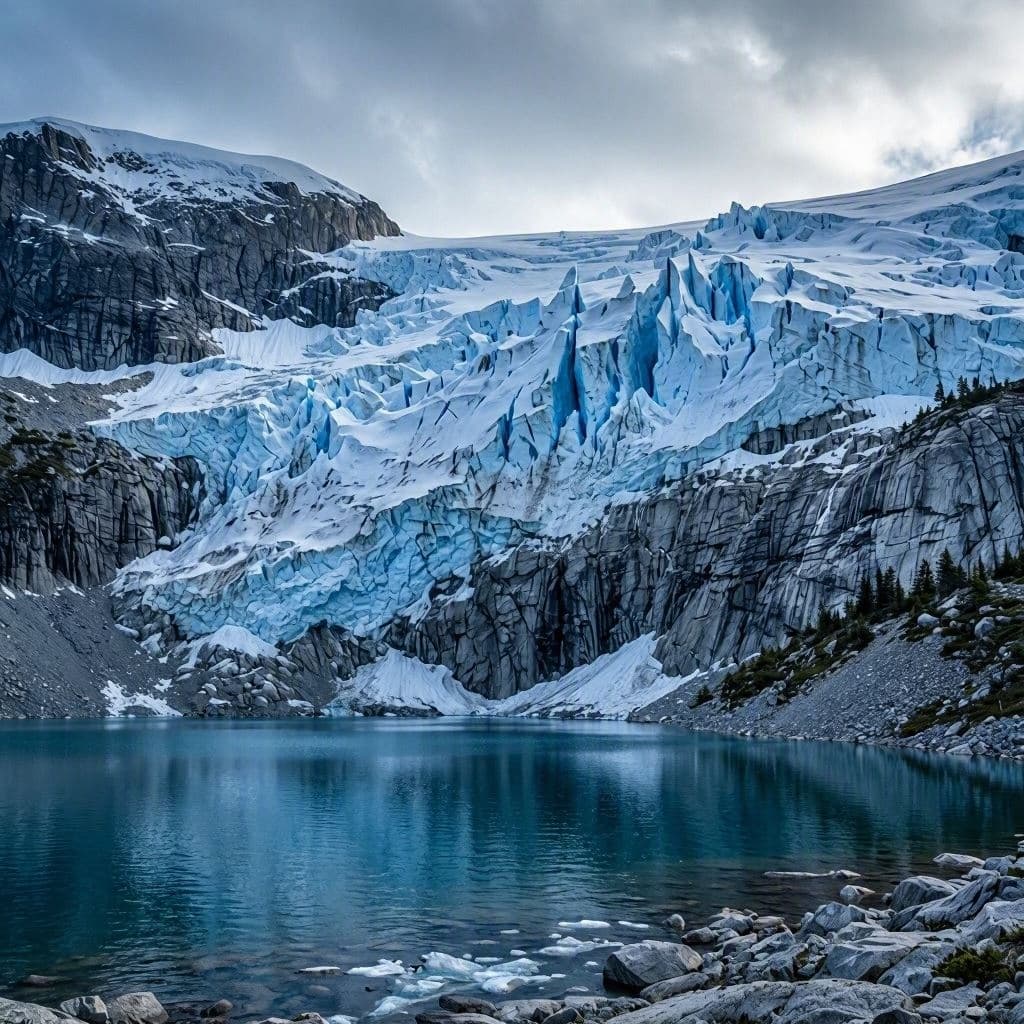
In the high Himalayas, silence is the default state, broken only by the wind and the occasional crack of shifting ice. But when that silence is shattered by the collapse of a glacier, the consequences can travel hundreds of kilometers, transforming quiet valleys into zones of devastation. The recent floods in Nepal were not merely a result of heavy rain; they were preceded by a dramatic glacial fall, a stark reminder of how climate change is altering the very foundation of these majestic mountains. The trigger was ice, but the outcome was water, unleashed with terrifying force.
This event underscores the vulnerability of communities living in the shadow of giants. The glacier, once a stable reservoir of frozen water, became a projectile of destruction, initiating a chain reaction that culminated in a killer surge downstream. Understanding this sequence is crucial for predicting future risks and protecting those who call these rugged landscapes home. It is a story of nature’s power, amplified by a warming world.
The initial trigger was a large block of ice breaking away from a hanging glacier. Such events, known as glacial lake outburst floods or ice avalanches, are becoming more frequent as rising temperatures weaken the structural integrity of glaciers. The fallen ice displaced a significant volume of water in a downstream lake, creating a wave that breached natural dams and sent a torrent rushing down the valley. This initial surge gathered momentum and debris, growing in destructive power as it traveled.
The resulting floodwave traveled approximately 100 kilometers, carving a path of destruction through villages, bridges, and agricultural land. The speed and volume of the water left little time for evacuation, highlighting the need for better early warning systems in remote mountainous regions. For the communities affected, the flood was not just a natural disaster but a sudden rupture in their daily lives, washing away homes, livestock, and livelihoods in a matter of hours.
Tracing the trigger requires sophisticated analysis of satellite imagery, seismic data, and field observations. Scientists are working to reconstruct the timeline of events, identifying the precise moment of the glacial collapse and the subsequent flow dynamics. This forensic approach helps in understanding the mechanics of such disasters, providing valuable insights for risk modeling and mitigation strategies. It is a race against time, as similar events could occur elsewhere in the Himalayas.
The role of climate change in this tragedy cannot be ignored. Rising global temperatures are accelerating glacial melt across the Hindu Kush-Himalaya region, increasing the frequency and intensity of glacial hazards. What was once a rare occurrence is becoming a recurring threat, demanding urgent attention from policymakers and international organizations. Adaptation measures, such as reinforced infrastructure and community-based disaster preparedness, are essential for resilience.
Local knowledge also plays a critical role in understanding these risks. Residents who have lived in these valleys for generations often possess intuitive insights into the behavior of the mountains. Integrating this traditional wisdom with scientific data can create more effective early warning systems and evacuation plans. Community engagement is key to building trust and ensuring that safety measures are culturally appropriate and widely accepted.
The aftermath of the flood involves not just physical reconstruction but also emotional healing. The trauma of losing loved ones and homes leaves deep scars, requiring long-term support from mental health professionals and social services. Rebuilding communities is as much about restoring hope as it is about rebuilding structures. It requires a holistic approach that addresses both material and psychological needs.
The Nepal flood serves as a poignant reminder of the interconnectedness of climate, geography, and human safety. By tracing the trigger back to the glacial fall, we gain a clearer understanding of the risks facing mountain communities. It calls for a concerted effort to mitigate climate change and enhance disaster preparedness, ensuring that the beauty of the Himalayas does not come at the cost of human life.
AI Image Disclaimer: Visuals accompanying this narrative are AI-generated conceptualizations intended to illustrate the scale and impact of glacial events, not specific documentary evidence.
Sources:
• The Kathmandu Post
• National Geographic
• BBC News
• The Guardian
Published by Banx Network. This article is part of the Banx decentralized media programme, powered by the BXE token on the XRP Ledger.