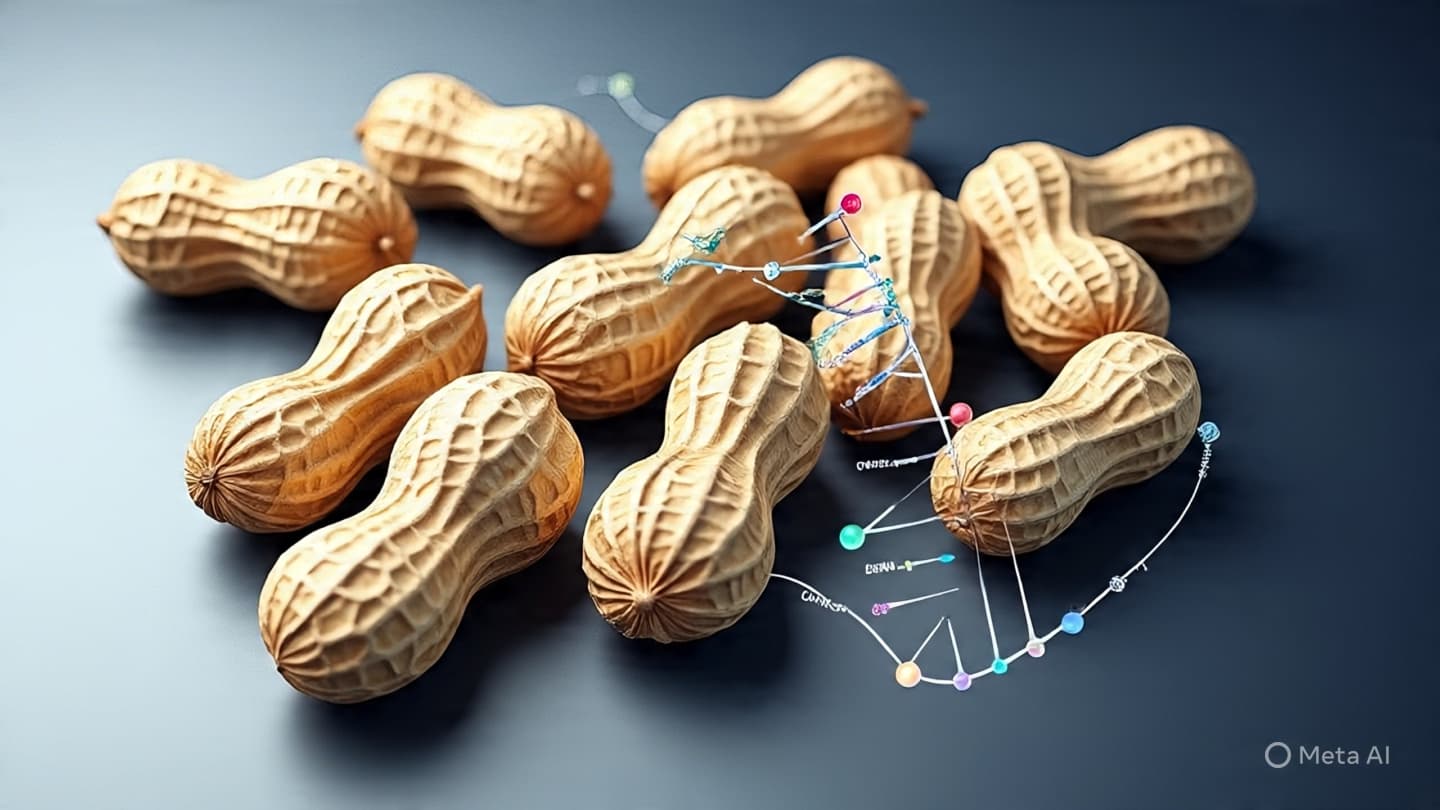
Beneath the surface of a modest crop lies a story of complexity and quiet transformation. The peanut, a staple in diets across continents, has long been valued for its nutrition and versatility. Now, through the lens of genomic science, researchers are uncovering the hidden instructions that shape its growth, revealing how something so familiar can still hold untold scientific promise.
In a recent breakthrough, scientists have successfully mapped complete peanut genomes, providing a comprehensive view of the plant’s genetic structure. This achievement marks a significant step forward in agricultural science, offering insights into traits that directly impact yield and quality.
The research has identified specific genes associated with larger seed size, a trait highly valued by farmers and producers. Larger seeds often translate to increased productivity and improved efficiency in cultivation, making this discovery particularly relevant for global food systems.
Equally important are the genes linked to oil composition. Peanuts are a major source of edible oil, and improvements in oil quality can enhance both nutritional value and shelf stability. By understanding the genetic basis of these traits, scientists can guide breeding programs toward more desirable outcomes.
The study builds on advances in sequencing technology, allowing researchers to analyze complex plant genomes with greater precision. Peanuts, in particular, present a challenge due to their hybrid genetic origins, which combine traits from multiple ancestral species.
Findings published in journals such as Nature Genetics highlight the potential for targeted crop improvement. Rather than relying solely on traditional breeding methods, scientists can now use genomic information to accelerate the development of superior peanut varieties.
This research also carries implications for sustainability. Improved crop yields and quality can reduce the need for additional agricultural land, while enhanced oil properties may support healthier food products. In a changing climate, such innovations are increasingly important.
However, experts note that translating genomic discoveries into practical agricultural solutions requires careful implementation. Field trials, environmental considerations, and accessibility for farmers all play a role in determining real-world impact.
As the genetic blueprint of the peanut becomes clearer, it offers not only scientific insight but also a pathway toward more resilient and efficient food systems.
AI Image Disclaimer: Some visuals in this article are AI-generated representations based on scientific data and agricultural research.
Sources: Nature Genetics Science Advances Food and Agriculture Organization (FAO) National Geographic Agricultural Research Service (USDA)
Published by Banx Network. This article is part of the Banx decentralized media programme, powered by the BXE token on the XRP Ledger.