There is a particular kind of weariness that settles over a land when conflict becomes not an event but a condition—when the rhythms of daily life are measured not in seasons but in frontlines, and the horizon is always obscured by smoke. In south-western Yemen, that weariness has deepened this month, as Houthi forces press forward in Taiz province, inching toward strategic positions with a patience that suggests they have no intention of stopping.
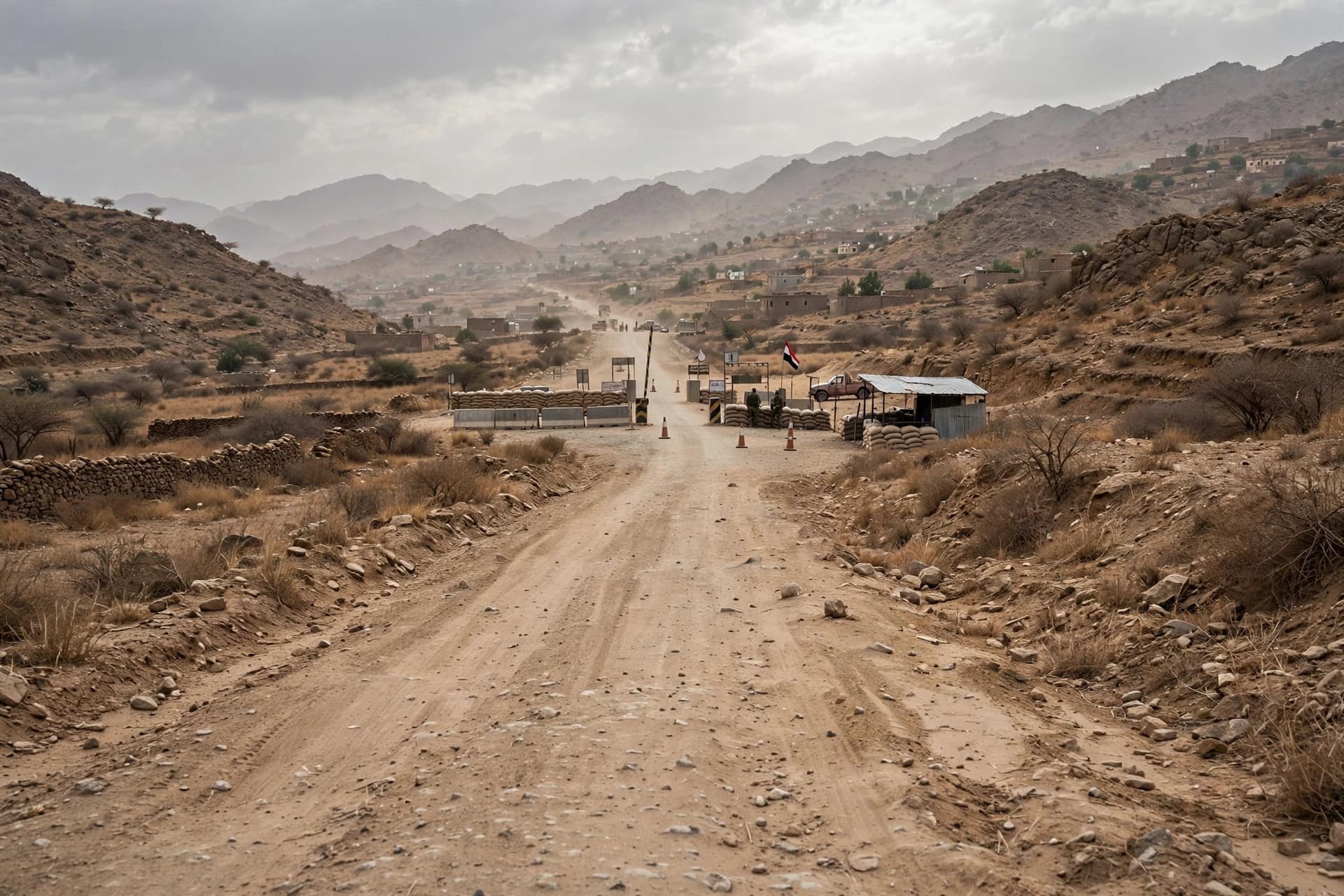
The Houthis have cut a vital road linking Taiz, Yemen’s third-largest city, to Aden, the seat of the internationally recognized government. Security sources and witnesses confirmed the takeover of the al-Safiya area, where the Houthis seized the main road and a police station. Intense fighting was reported in nearby villages as government forces and their allies struggled to hold their positions .
The escalation follows a pattern that has unfolded over months. Since declaring the end of a UN-brokered truce in July, the Houthis have expanded their control along Yemen’s western coast, seizing the port city of Mokha and the strategic Mayyun Island overlooking the Bab al-Mandeb strait . In September, the Yemeni government acknowledged that Houthi forces had taken control of the entire western coastline and were pushing into southern Lahj province .
On Sunday, Rashad al-Alimi, chairman of Yemen’s Presidential Leadership Council, declared the start of a major military operation to retake territory from the Houthis, vowing to extend state authority across the entire country. The operation is expected to involve more than 100,000 government and allied forces, with Saudi Arabia providing air support and the United States offering intelligence assistance . But the Houthis have responded with defiance, claiming to have repelled advances and launching ballistic missiles and drones at Saudi oil facilities in Riyadh and Qurais .
The human cost is mounting. Nearly 198,000 people have been displaced since fighting intensified in July, with Taiz province hosting the largest share—over 97,000 displaced individuals across fifteen districts . The UN special envoy for Yemen, Hans Grundberg, expressed deep concern over the escalation, noting that road closures have limited civilians’ ability to flee affected areas .
For now, the frontlines shift slowly, almost imperceptibly, as each side tests the other’s resolve. The question that hangs over Taiz, and over Yemen itself, is not whether the fighting will continue, but what will be left when it finally stops.
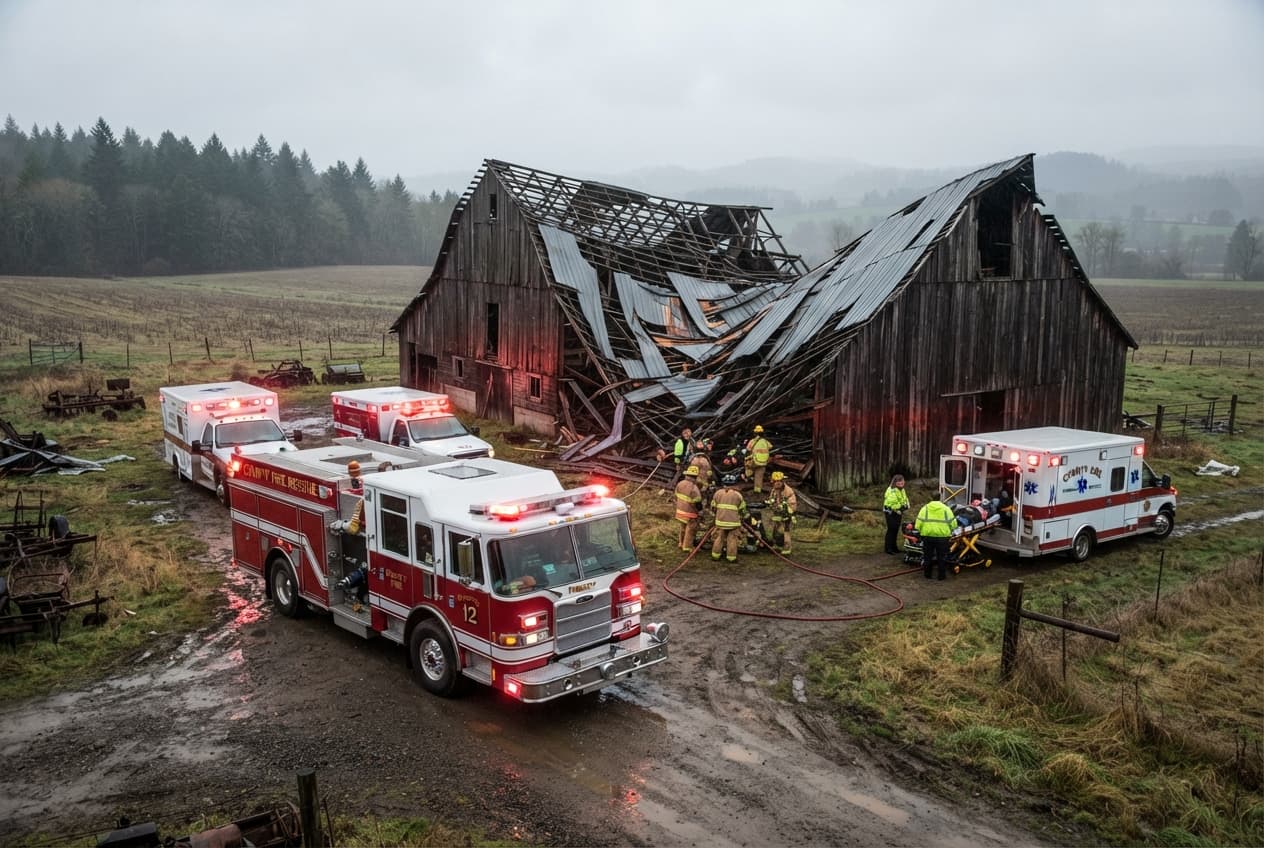
AI Image Disclaimer: The images accompanying this article are generated by artificial intelligence and are intended for illustrative purposes only.
Sources: Xinhua, La Libre Belgique, Yeni Şafak, Yonhap News Agency, Reuters
Published by Banx Network. This article is part of the Banx decentralized media programme, powered by the BXE token on the XRP Ledger.