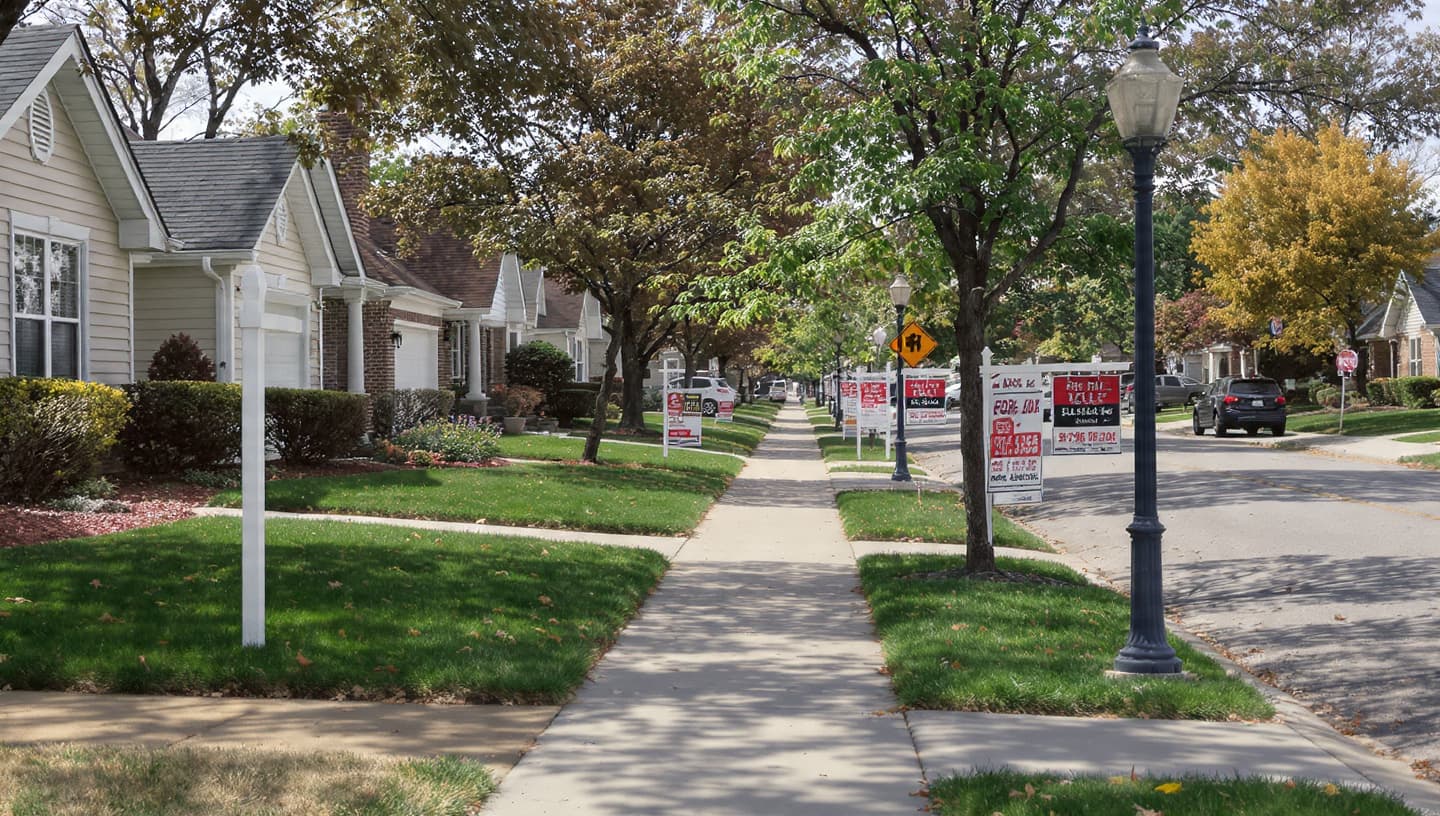
In the quiet rhythm of city skylines and suburban streets, the housing market often moves like a tide—rising with confidence, retreating with caution. Recently, that tide appears to be easing, as new tax changes join the ongoing influence of higher interest rates, reshaping how buyers step into the property landscape.
Across many regions, real estate agents have observed a gradual cooling in housing activity, where fewer buyers are willing or able to commit to purchases at previous levels. Rising interest rates have already tightened borrowing capacity, making mortgages more expensive and reducing the pool of qualified buyers.
Into this environment, recent tax adjustments have added another layer of consideration. While tax policy shifts are often designed with broader fiscal goals in mind, their timing can influence sentiment in markets already sensitive to financial pressure.
Agents describe a pattern not of collapse, but of hesitation. Buyers are still present, but more selective, often taking longer to evaluate whether long-term affordability aligns with current economic conditions.
Sellers, meanwhile, are adjusting expectations. Properties that once attracted quick attention may now remain listed for longer periods, reflecting a market recalibrating rather than retreating entirely.
Economists often note that housing markets respond not only to numbers, but to perception. When borrowing becomes costlier and tax obligations shift, even slightly, confidence can soften, creating a slower pace of transactions.
Yet within this slowdown, there remains movement. First-time buyers, investors, and upgraders continue to participate, though with greater caution and more detailed financial planning than in previous cycles.
Overall, the combined influence of tax changes and interest rate rises appears to be moderating housing activity, leading to a more measured market environment rather than an abrupt downturn.
AI Image Disclaimer: Images accompanying this article are AI-generated for illustrative purposes only.
Sources: Reuters, Bloomberg, ABC News, Financial Times
Published by Banx Network. This article is part of the Banx decentralized media programme, powered by the BXE token on the XRP Ledger.