
Key Highlights
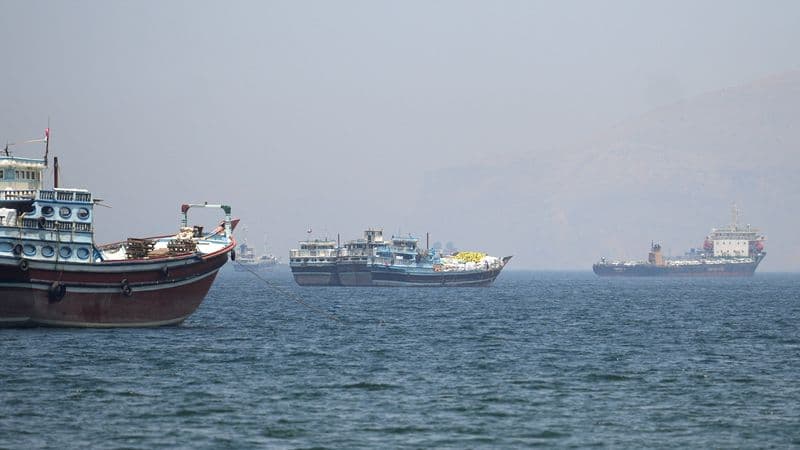
- Current Traffic:Only six ships crossed the Strait of Hormuz on April 29, 2026.
- Historical Context:Daily traffic previously averaged 125 to 140 vessels before the conflict.
- Economic Impact:The situation threatens global oil supply, affecting 20% of daily oil transport.
As of April 29, 2026, shipping traffic through the Strait of Hormuz has drastically decreased, with only six vessels reported to have crossed the strait. This represents a significant drop from the normal activity levels, which typically see between 125 to 140 vessels daily. The decline in maritime traffic is a direct consequence of stalled negotiations between the United States and Iran, which have been ongoing since the onset of the conflict on February 28.
Among the few vessels that have managed to navigate the strait are dry bulk carriers and a chemical tanker named the Vast Plus, which is currently under U.S. sanctions. The Joint Maritime Information Center of the U.S. military has noted that despite a ceasefire declared on April 8, commercial shipping activities remain heavily restricted. This has resulted in uncertainty regarding routing and transit options for shipping companies operating in the region.
U.S. President Donald Trump has publicly urged Iran to
Published by Banx Network. This article is part of the Banx decentralized media programme, powered by the BXE token on the XRP Ledger.



