
Key Highlights
- 600% increase in vessels operating without AIS signals.
- Iranian Revolutionary Guard Corps activity complicates shipping safety.
- Dark shipping raises concerns over maritime security and tracking.
Recent reports indicate a significant shift in commercial shipping practices within the Strait of Hormuz, with an alarming trend towards 'dark' operations. Vessels are increasingly opting to disable their Automatic Identification System (AIS) to evade detection, reflecting a strategic adaptation to the region's evolving geopolitical landscape. According to maritime intelligence firm Windward, there has been a staggering 600% increase in ships transiting without AIS signals between April 19 and May 3, 2026.
On May 11, 2026, Windward documented multiple tanker transits, confirming that while commercial traffic persists, it is now occurring under increasingly opaque conditions. The activities of the Iranian Revolutionary Guard Corps (IRGC) have notably expanded, acting as a deterrent to standard shipping operations and complicating transit safety. This dynamic has fostered a contested environment where military presence and covert operations are intricately linked with maritime commerce.
The data indicates that vessels are not only avoiding AIS transmission but are also engaging in emissions control (EMCON) operations. This suggests a deliberate strategy to conceal their movements from military adversaries and rival trading partners. Large concentrations of tankers operating without visible tracking have been identified near critical waterways and islands, including Larak Island and Kharg Island.
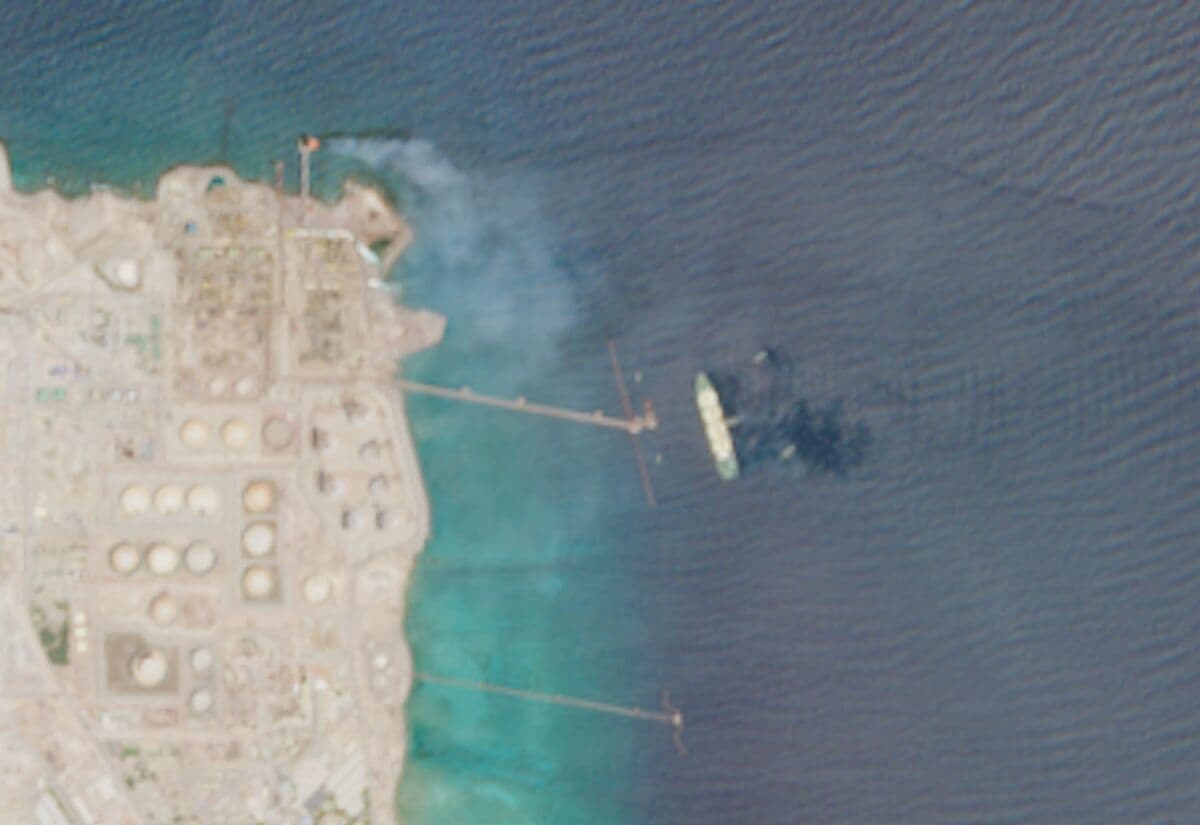
The constrained export capabilities from Iranian ports have further contributed to the rise in dark shipping. Notably, there have been no confirmed tanker departures from Kharg Island since May 7, 2026. Reports indicate that dark tankers are now staging in Iranian waters, potentially buffering export capacity while responding to international sanctions and increasing pressures from U.S. interdiction efforts.
This shadowy modality of shipping raises serious safety and tracking concerns, illustrating the complexities of modern maritime operations in a region fraught with tension. As security measures and military patrols intensify, the Strait of Hormuz is evolving into a fragmented operational zone where visibility is diminished, and navigational risks are ever-present.
As the situation continues to develop, maritime professionals and analysts will closely monitor these trends. The interplay of dark shipping and military maneuvers is likely to shape future shipping protocols in one of the world's most critical waterways, emphasizing the need for enhanced maritime security measures.
Published by Banx Network. This article is part of the Banx decentralized media programme, powered by the BXE token on the XRP Ledger.



