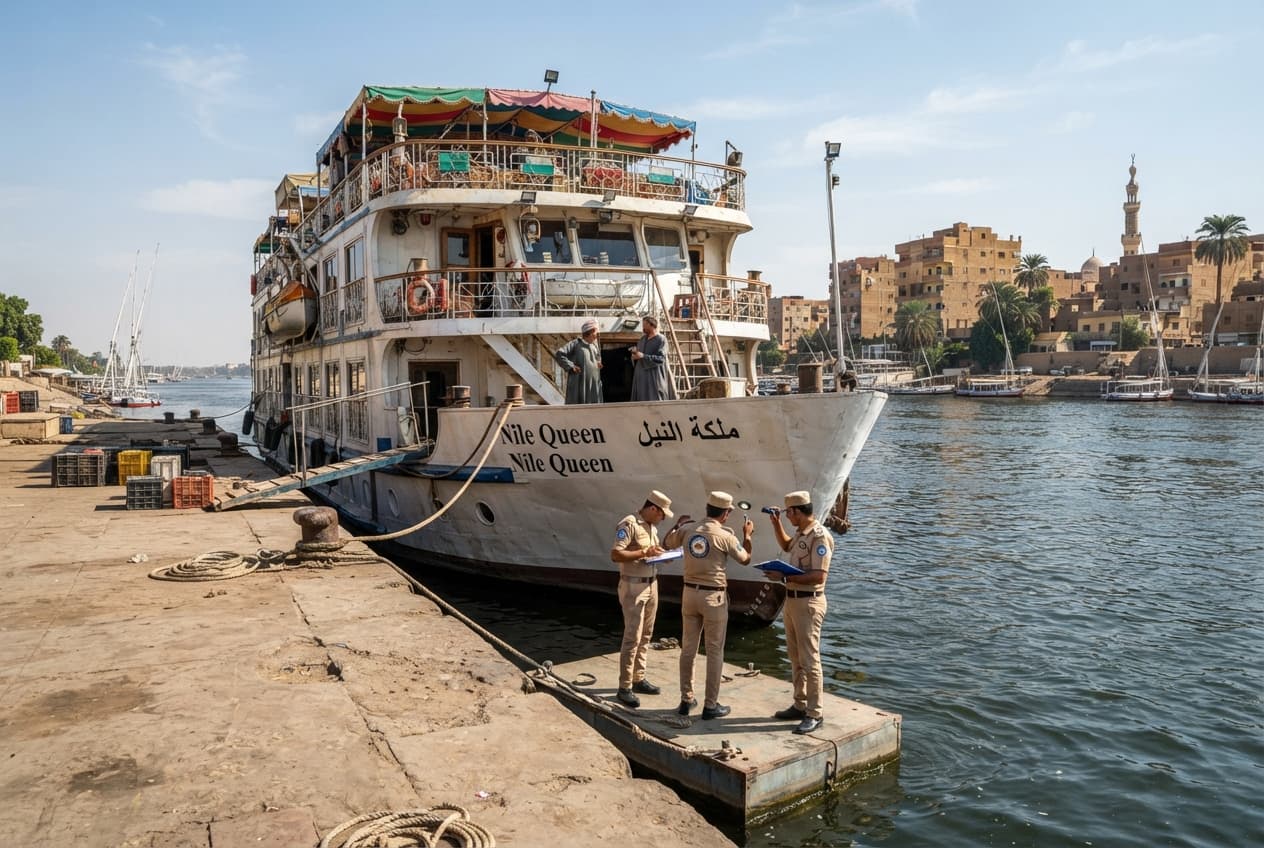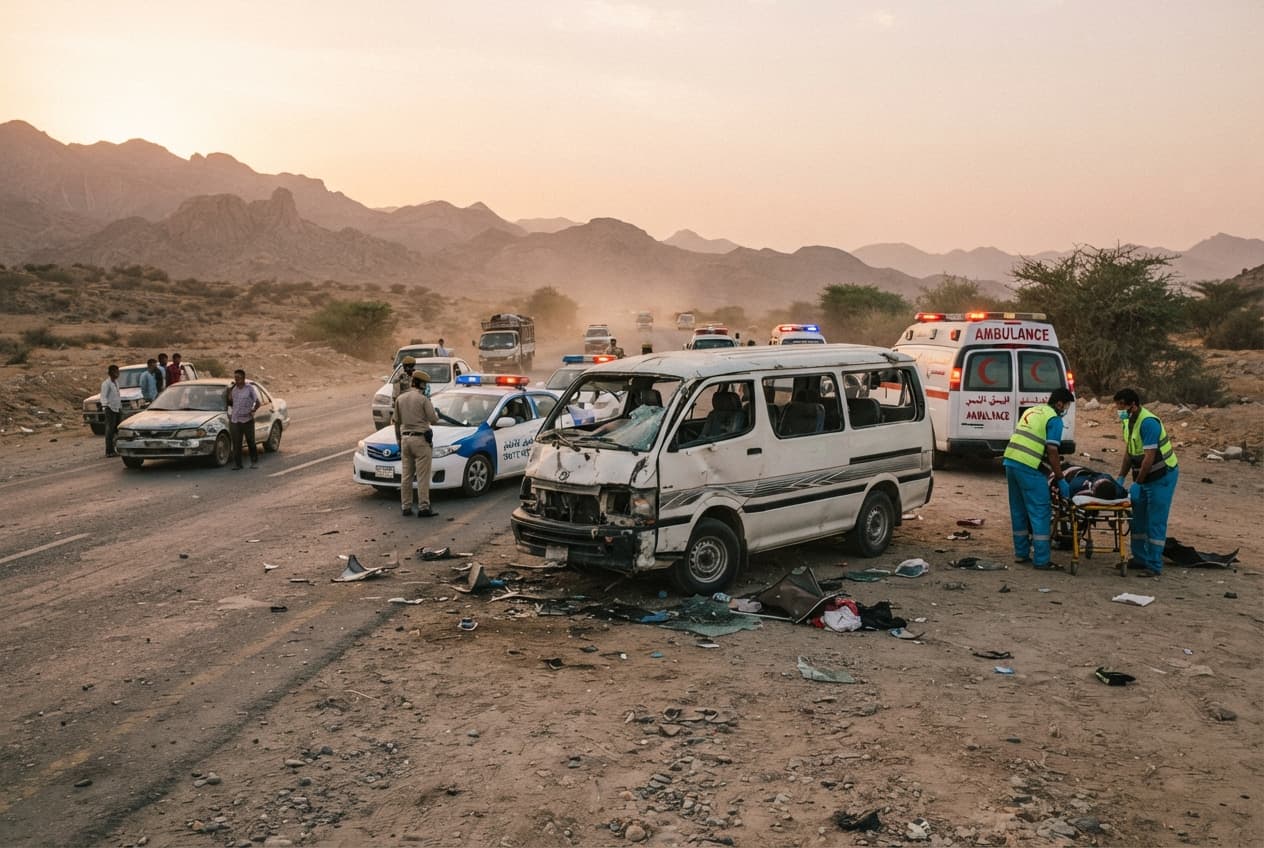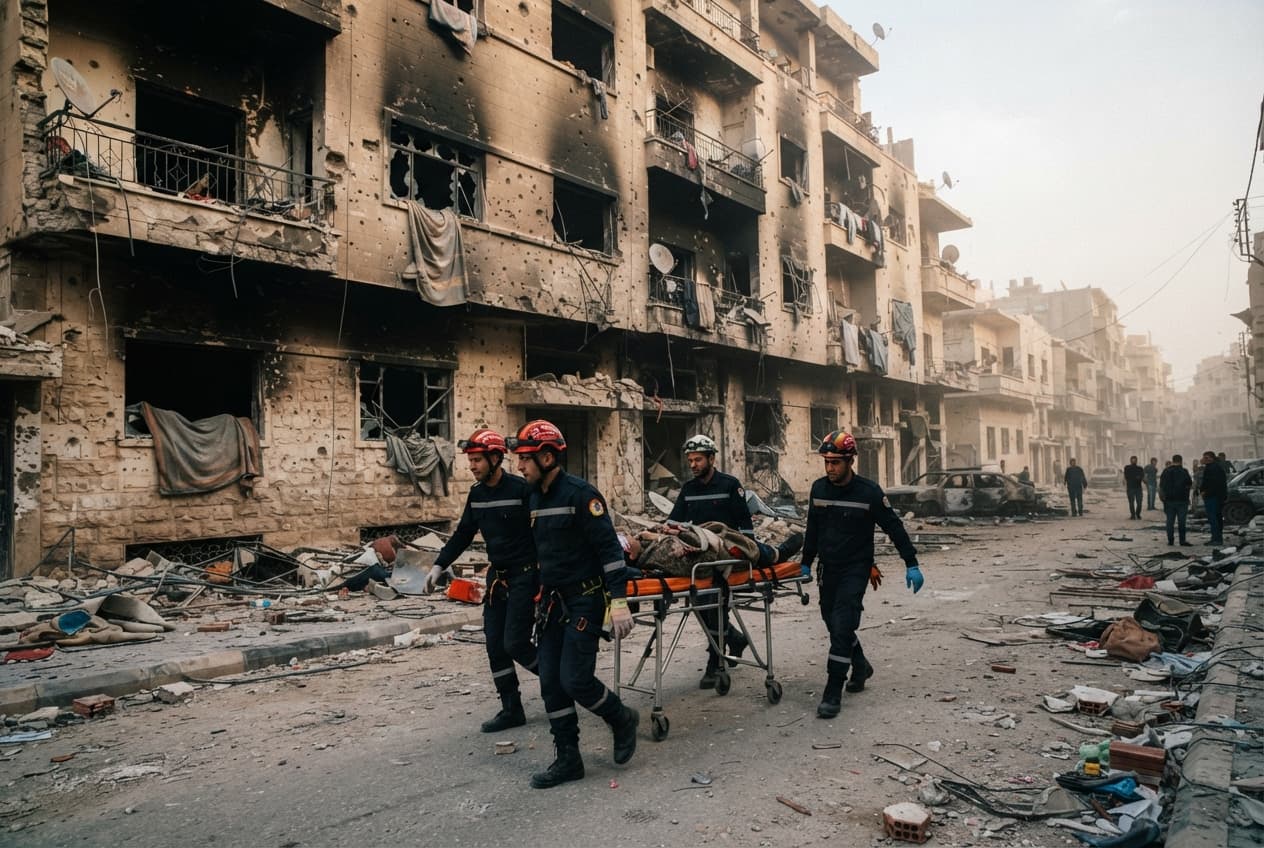
In many parts of Nairobi, the morning light carries the usual rhythm of buses, market calls, and quiet ambition. For generations, the promise of travel abroad has shimmered like a distant shoreline — a place where hard work might turn into prosperity. But for some Kenyan families, that shoreline has dissolved into something far darker: a battlefield thousands of miles away.
Reports from Reuters, Al Jazeera, Associated Press, The Defense Post, and Daily Monitor describe a troubling pattern: Kenyan men, many unemployed or former security officers, allegedly lured by promises of stable jobs or security work in Russia. Some were said to have traveled on tourist visas. What awaited them, according to intelligence briefings presented to Kenya’s parliament, was not construction work or private security contracts — but military agreements and deployment to the frontlines of the war in Ukraine.
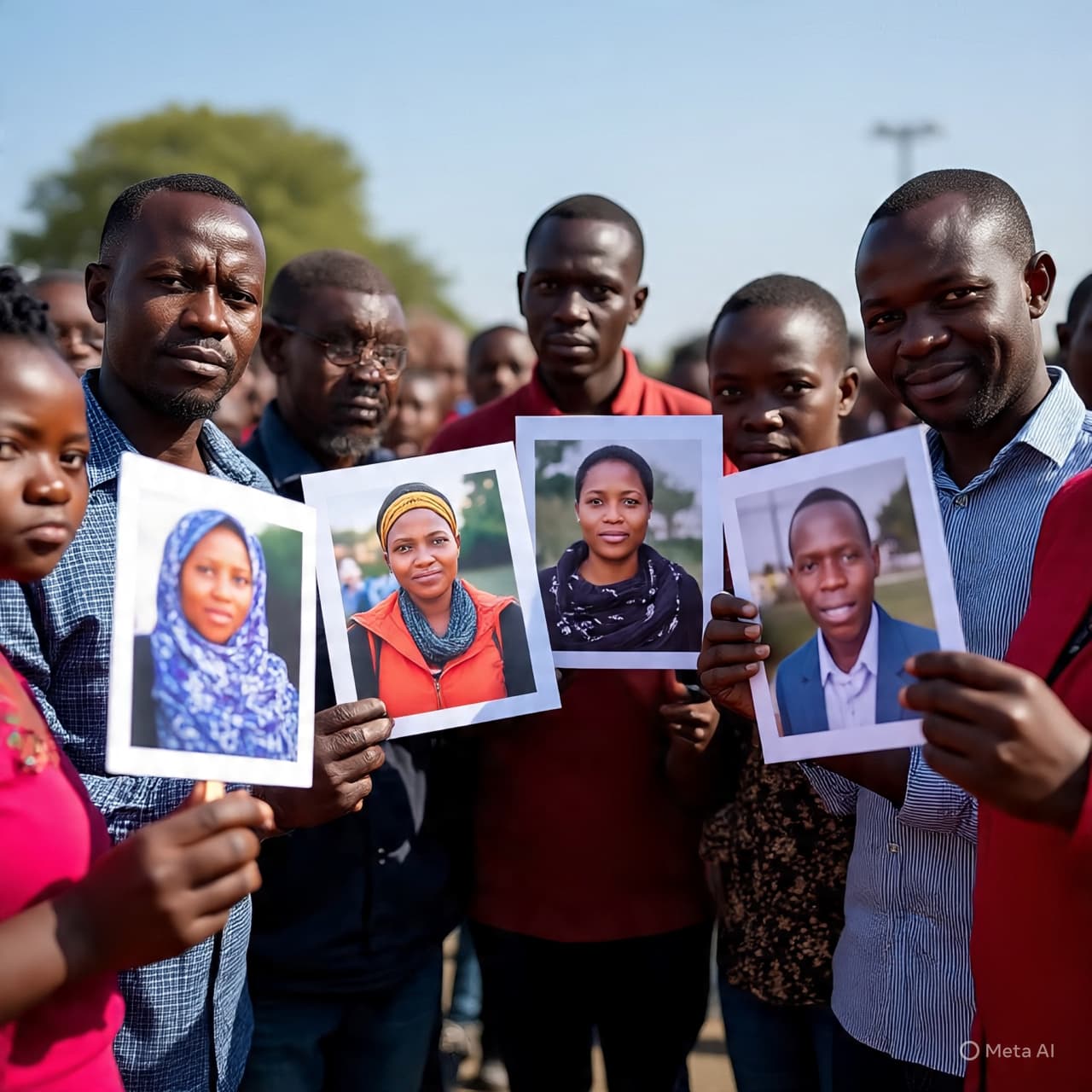
The phrase repeated by relatives — “given a gun and sent to die” — carries a weight that feels almost too heavy for speech. Families have gathered in Nairobi, holding photographs instead of hands, asking how opportunity transformed into peril. Some recruits are reported to be on active front-line duty. Others are hospitalized. A number remain missing. At least one death has been confirmed.
The Russian Embassy in Nairobi has denied any illegal recruitment, stating that foreign nationals may voluntarily enlist under Russian law. Yet the testimonies of families and the findings shared by Kenya’s National Intelligence Service suggest a more complex picture, one involving intermediaries and networks that blurred the line between recruitment and deception.
There is, in this story, a quiet intersection of global conflict and local hardship. Kenya, like many nations, faces youth unemployment and economic strain. In such spaces, the promise of foreign wages can sound less like temptation and more like necessity. A plane ticket becomes a leap of faith. A contract becomes a gamble. And sometimes, the cost of that gamble is borne not by institutions but by mothers, fathers, and children waiting at home.
Diplomatically, the situation has begun to ripple outward. Kenyan officials have signaled that discussions with Moscow are underway. The call from families is not for rhetoric, but for return — for clarity, for accountability, and for the safe passage of their loved ones back home.
The broader war in Ukraine continues to redraw maps and reshape alliances. Yet beyond geopolitics lies a quieter reckoning: how vulnerable populations can be drawn into distant conflicts through a mix of economic pressure and persuasive recruitment. It is a reminder that modern warfare does not only consume territory; it reaches across borders, into neighborhoods and households far removed from the front.
For now, investigations continue. Some men have reportedly been repatriated. Others remain unaccounted for. Governments exchange statements while families wait for phone calls that may or may not come.
In the end, this story may become less about strategy and more about consequence — about how global conflict intersects with personal survival, and how easily the language of opportunity can mask the reality of war.
AI Image Disclaimer Visuals are created with AI tools and are not real photographs.
Sources Reuters Al Jazeera Associated Press The Defense Post Daily Monitor
Published by Banx Network. This article is part of the Banx decentralized media programme, powered by the BXE token on the XRP Ledger.