Nature often preserves its greatest treasures in silence. Hidden among forests, rocky landscapes, and fragile ecosystems are species whose survival depends on careful balance rather than great numbers. Occasionally, patient scientific work allows one of these quiet stories to take a hopeful turn. In Guatemala, researchers have successfully bred a rare lizard species in captivity, marking an encouraging step in ongoing efforts to protect wildlife threatened by habitat loss and other environmental pressures.
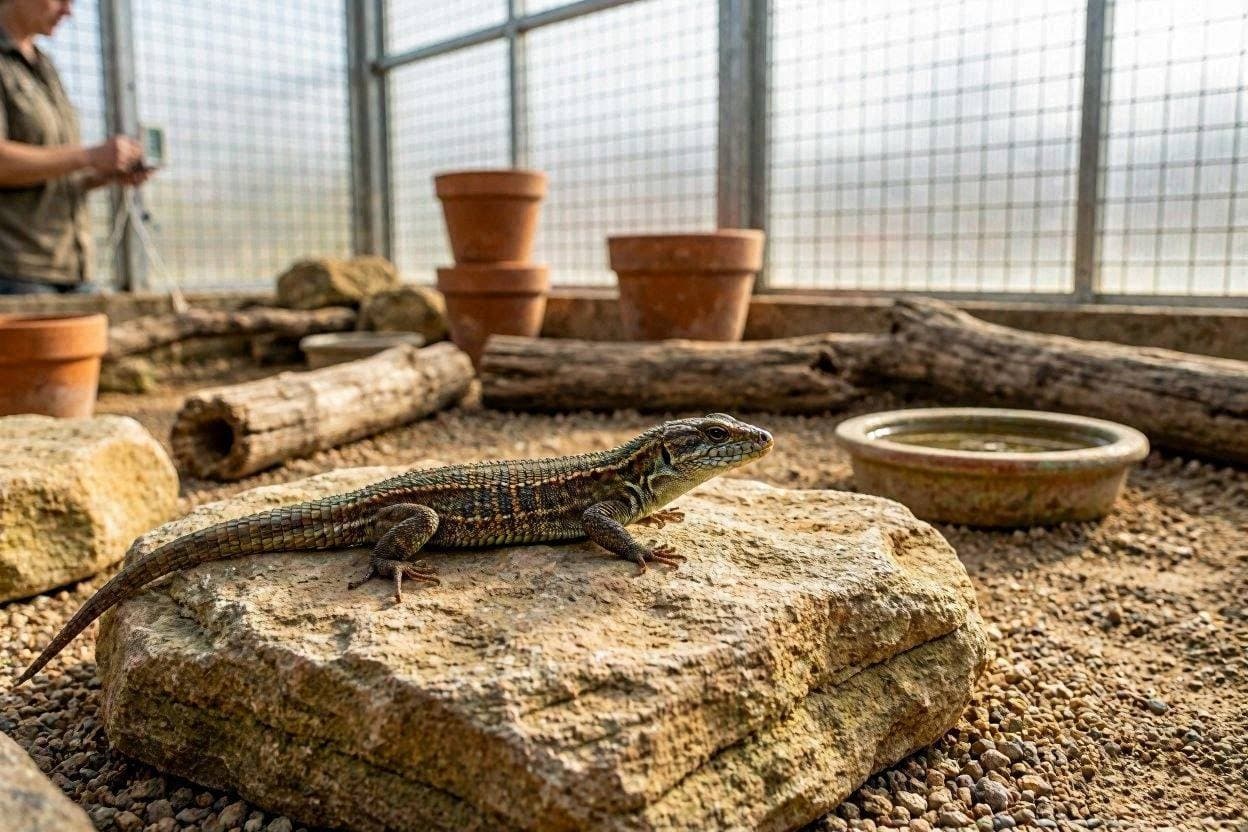
The breeding program was developed by Guatemalan scientists and conservation specialists seeking to strengthen the long-term survival prospects of the endangered reptile. Captive breeding has become an increasingly important conservation strategy for species whose wild populations have declined significantly. By establishing healthy breeding populations under controlled conditions, researchers hope to reduce extinction risks while supporting future conservation initiatives.
According to conservation experts, the success follows years of careful planning, habitat simulation, veterinary monitoring, and behavioral observation. Reptiles often have highly specific environmental requirements for successful reproduction, including precise temperature, humidity, nesting conditions, and nutrition. Replicating these natural conditions in conservation facilities requires extensive scientific expertise and continuous monitoring.
Scientists emphasize that captive breeding alone cannot guarantee a species' recovery. Protecting natural habitats remains essential if future generations are to survive outside conservation centers. Forest preservation, ecosystem restoration, and reducing illegal wildlife trafficking continue to play fundamental roles in safeguarding biodiversity throughout Central America.
The newly bred individuals also provide researchers with valuable opportunities to study the species' biology, reproductive behavior, genetics, and health. Information collected through these observations can improve future conservation strategies and guide decisions regarding population management, habitat restoration, and possible reintroduction programs if environmental conditions become suitable.
Guatemala is recognized for its remarkable biological diversity, hosting thousands of plant and animal species across tropical forests, volcanic highlands, wetlands, and coastal ecosystems. Many of these habitats support unique wildlife found nowhere else in the world. Conservation organizations have increasingly emphasized collaborative efforts involving scientists, government agencies, local communities, and international partners to protect this natural heritage.
The achievement also highlights the broader role of conservation science in preventing biodiversity loss. Around the world, zoological institutions and wildlife conservation centers have successfully used scientifically managed breeding programs to support endangered mammals, birds, amphibians, and reptiles. While each species presents different challenges, these programs demonstrate how long-term scientific commitment can contribute to preserving vulnerable populations.
Researchers in Guatemala plan to continue monitoring the newly established breeding population while expanding conservation efforts in partnership with environmental authorities. The success represents an important milestone, but scientists stress that continued habitat protection, public awareness, and sustained conservation investment will remain essential to securing the future of this rare lizard species in the wild.
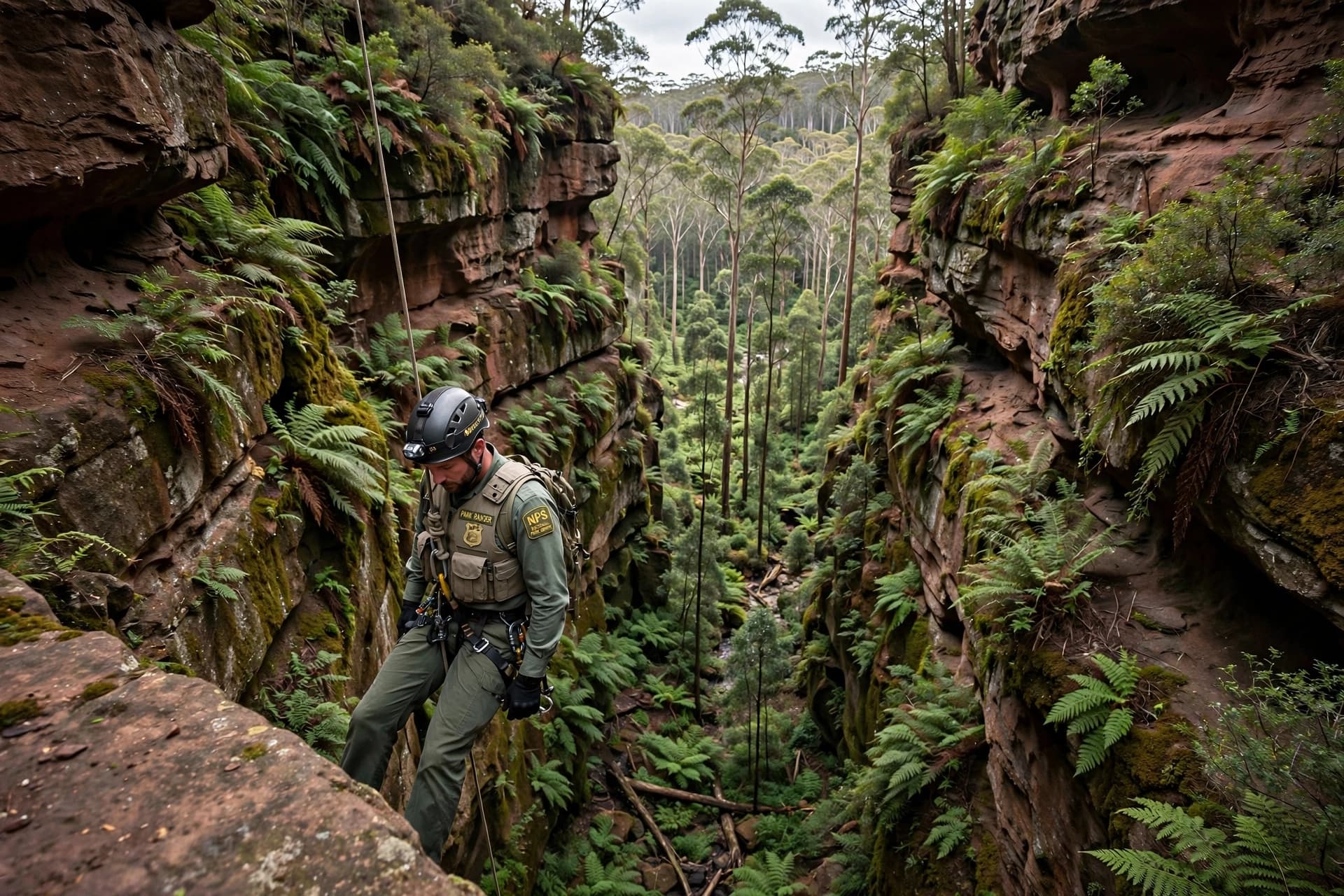
AI Image Disclaimer: The illustrations accompanying this article are AI-generated visual interpretations created to represent wildlife conservation activities and should not be considered authentic documentary photographs.
Sources: Reuters; International Union for Conservation of Nature (IUCN); Guatemalan conservation authorities
Published by Banx Network. This article is part of the Banx decentralized media programme, powered by the BXE token on the XRP Ledger.