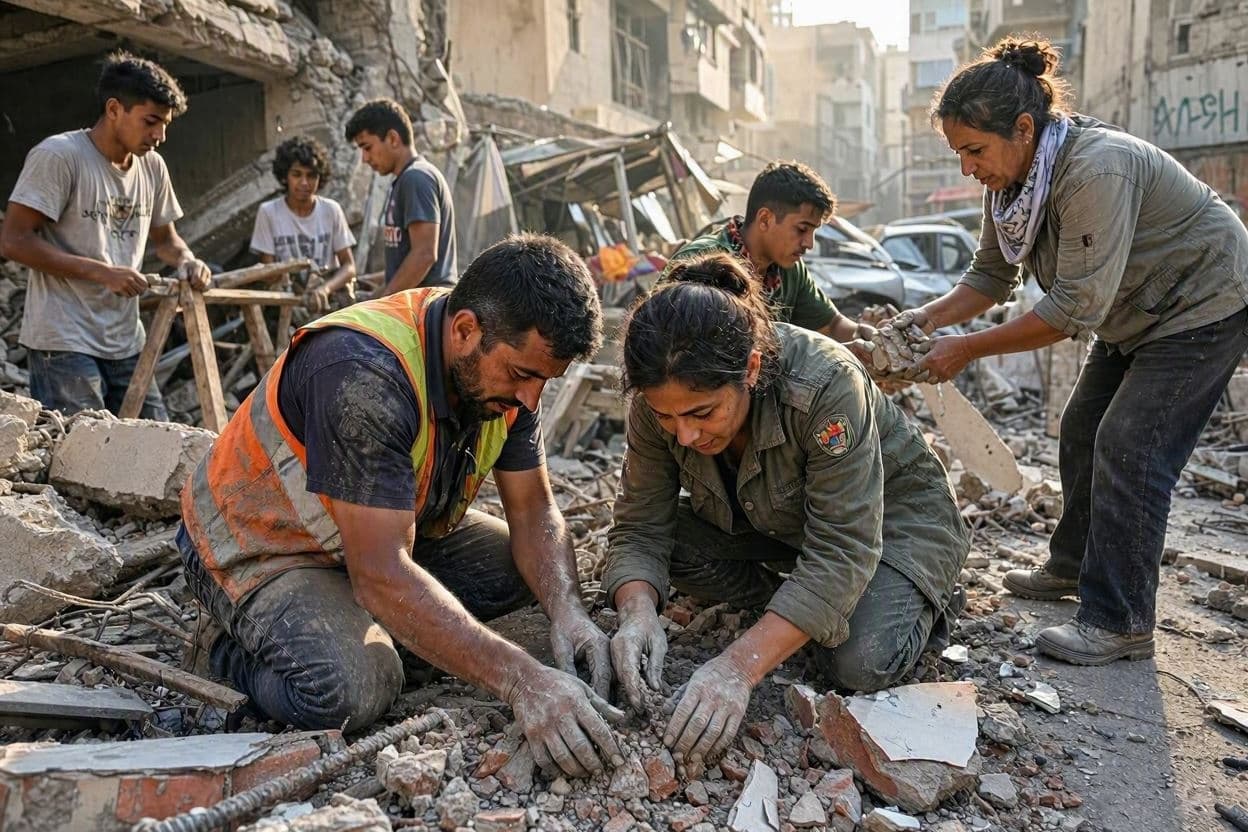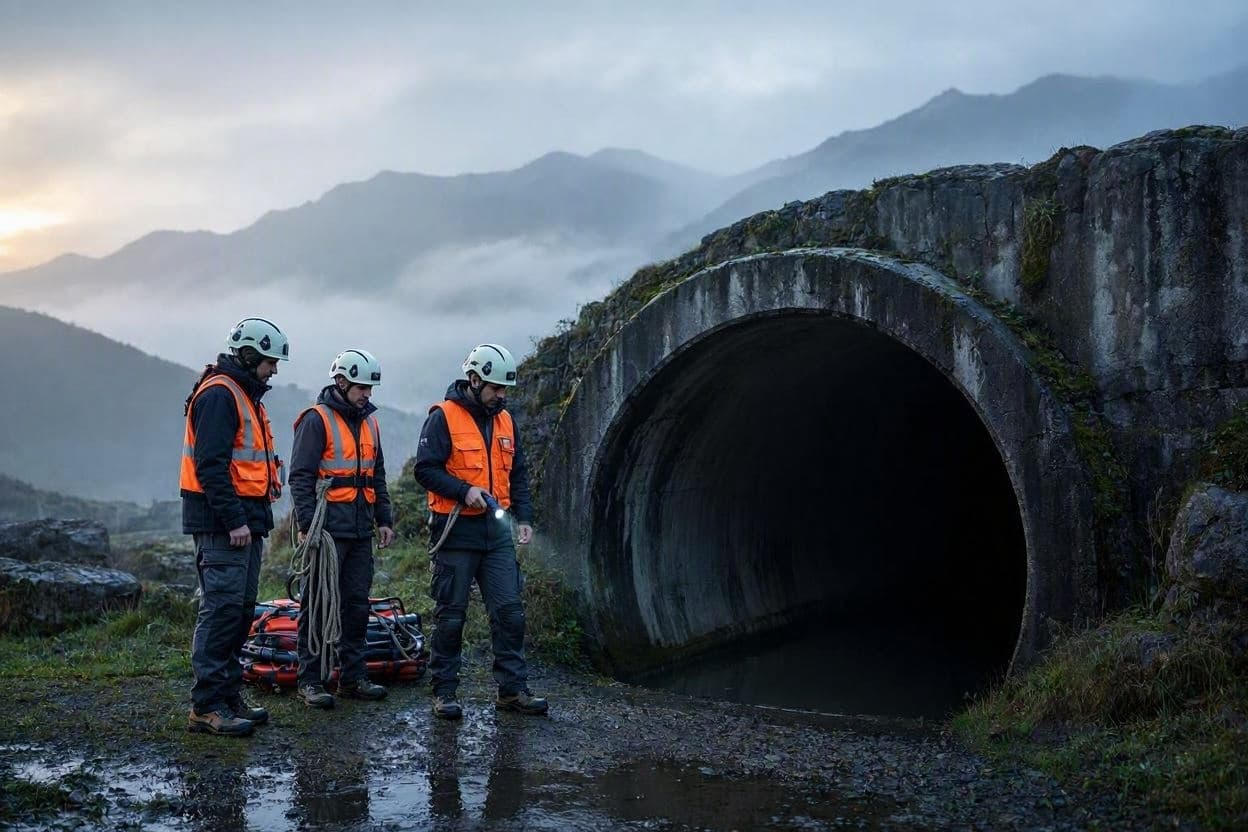
In the rugged valleys of Nepal, where rivers carve their way through steep mountains, hope is often as fragile as the terrain itself. Following catastrophic flash floods that struck in late August 2026, rescue teams embarked on a harrowing mission to locate workers trapped inside hydropower tunnels. For days, the air was thick with anticipation and prayer, as families waited for news of their loved ones. However, the tide of fortune turned somber as rescuers, after a desperate and exhaustive search, began recovering bodies from the submerged depths of the Chilime and Trishuli power plants.
The disaster, triggered by intense rainfall and glacial lake outbursts, swept away entire sections of infrastructure, leaving hundreds of workers isolated underground. The initial days were marked by miraculous rescues, such as the extraction of two men who survived for nine days in dark, cold tunnels. These stories fueled the belief that more survivors might be found. Yet, as time passed and water levels remained dangerously high, the focus of the operation gradually shifted from rescue to recovery, a transition that weighs heavily on the hearts of all involved.
The technical challenges of reaching the trapped workers were immense. Engineers and military personnel worked around the clock, using remote-controlled devices and diving equipment to navigate the flooded passages. The tunnels, designed to channel water for electricity generation, became deadly traps when overwhelmed by the surge. Despite the best efforts of international and local teams, the sheer volume of debris and the instability of the structures made access perilous and slow.
Each body recovered brings a measure of closure to a grieving family, but also deepens the collective sorrow of the nation. The victims, many of whom were young men seeking to support their households, represent a significant loss to their communities. Their deaths highlight the risks faced by those who work in some of the most challenging environments on Earth, building the infrastructure that powers modern life.
The response has been characterized by a profound sense of duty and compassion. Rescuers, often working in hazardous conditions, have shown remarkable resilience. Their efforts are not just about retrieving remains but about honoring the dignity of the deceased and providing answers to those left behind. This human element of the disaster response is crucial in a time of widespread trauma.
As the search continues in other affected areas, the toll of the tragedy becomes clearer. The floods have claimed over a thousand lives across Nepal and neighboring regions, with thousands still missing. The power plant incident is a microcosm of the broader devastation, illustrating how natural disasters can strike with sudden and brutal force, disrupting lives and livelihoods in an instant.
The government has declared periods of mourning and promised investigations into the safety protocols of these projects. While no amount of scrutiny can bring back the lost, it may help prevent future tragedies. The focus now is on supporting the bereaved and rebuilding what has been destroyed, a task that will take years to complete.
In the quiet aftermath of the search, the mountains stand as silent witnesses to the event. The recovery of bodies marks the end of one chapter, but the journey of healing for Nepal has only just begun. It is a reminder of the power of nature and the enduring strength of the human spirit in the face of loss.
AI Image Disclaimer: The visual representations included here are AI-generated illustrations designed to evoke the atmosphere of the rescue efforts and are not actual photographs of the scene or the individuals involved.
Sources: The New York Times Reuters The Guardian
Published by Banx Network. This article is part of the Banx decentralized media programme, powered by the BXE token on the XRP Ledger.