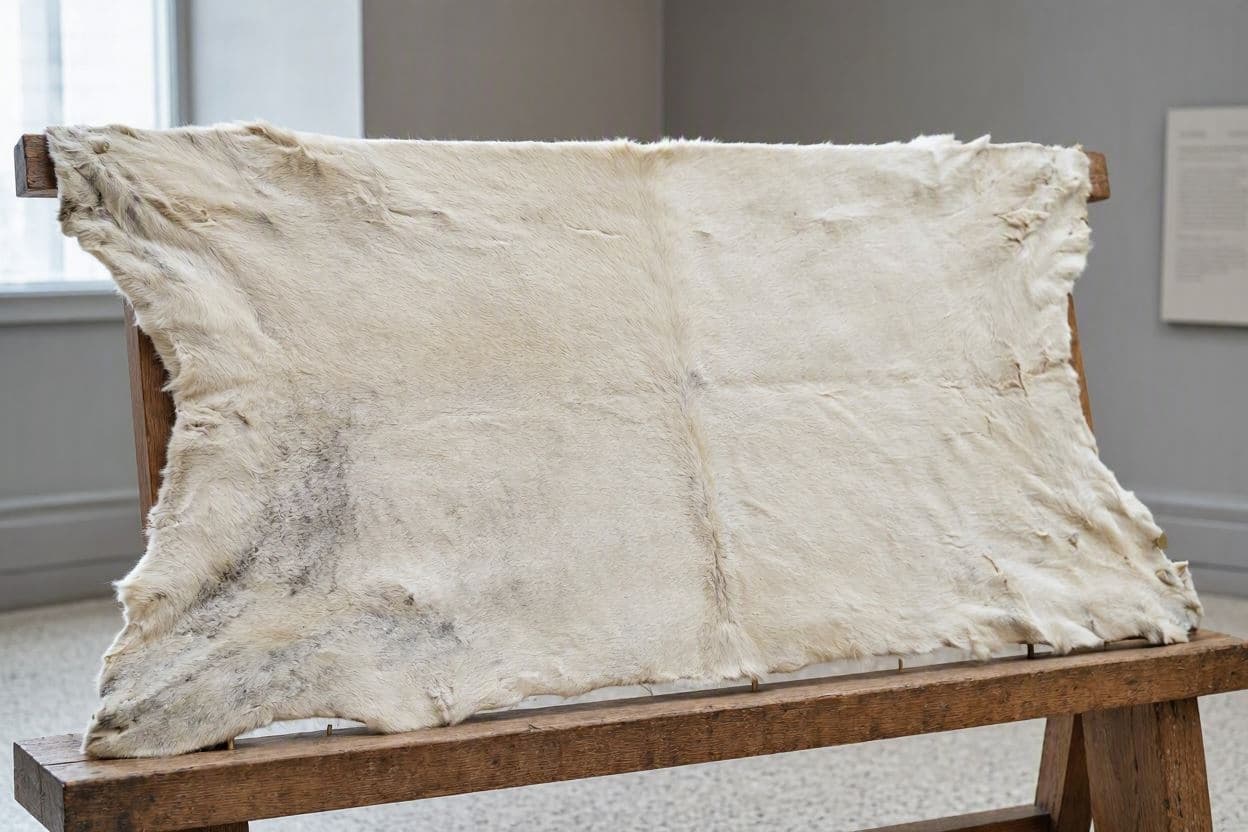
History is often written in documents, but it is also woven into the fabric of material culture, where objects carry the stories of those who created them. In British Columbia, a rare hide from the extinct Salish Woolly Dog is now on display, offering a tangible connection to a unique chapter of Indigenous history. Bred and cared for by Coast Salish peoples for thousands of years, these dogs were valued not for hunting but for their soft, warm wool, which was spun into textiles. The display of this hide is more than a museum exhibit; it is a celebration of cultural heritage, scientific discovery, and the enduring legacy of Indigenous innovation. It invites us to reflect on the deep relationships between humans and animals.
The Salish Woolly Dog was a distinct breed, smaller than typical working dogs, with a thick, white coat that could be sheared like sheep. For generations, these dogs were integral to the textile traditions of Coast Salish communities, providing fiber for blankets and garments that held significant cultural and ceremonial value. However, with the arrival of European settlers and the introduction of sheep, the breed gradually disappeared, leaving behind only fragments of memory and archaeological evidence. This hide represents a rare physical survivor of that lost lineage.
Recent genetic studies have confirmed the distinctiveness of the Salish Woolly Dog, distinguishing it from other canine breeds of the region. DNA analysis of artifacts, including this hide, has provided insights into the breeding practices and care provided by Indigenous peoples. These scientific findings validate oral histories that have long spoken of the special status of these animals. The convergence of science and tradition offers a richer, more complete understanding of the past.
The display of the hide is part of a broader effort to reclaim and honor Indigenous knowledge. Museums and cultural centers are increasingly collaborating with First Nations communities to ensure that artifacts are presented with respect and context. This partnership ensures that the story told is accurate and meaningful, reflecting the perspectives of those who originally created and used these items. It is a step toward reconciliation and mutual understanding.
For the Coast Salish peoples, the Woolly Dog is a symbol of resilience and cultural continuity. Efforts are underway to explore the possibility of reviving the breed through selective breeding of related dogs, though this remains a complex and sensitive endeavor. The display serves as a catalyst for these conversations, inspiring pride and interest in traditional practices. It highlights the ingenuity of Indigenous ancestors in utilizing local resources sustainably.
Visitors to the exhibit are invited to engage with the history of the Woolly Dog through interactive displays and educational materials. Learning about the dog’s role in textile production provides insight into the sophisticated economic and social systems of pre-contact societies. It challenges stereotypes about Indigenous lifestyles, showcasing a complex relationship with animal husbandry and craft. This education fosters appreciation and respect for diverse cultural histories.
The preservation of such artifacts is crucial for future generations. Proper conservation techniques ensure that the hide remains intact, allowing scientists and historians to continue studying it. Each piece of data extracted from the artifact adds to the growing body of knowledge about North American canine history. It is a testament to the importance of preserving material culture as a source of historical truth.
As the exhibit draws attention, it also sparks dialogue about extinction and conservation. The story of the Woolly Dog mirrors broader themes of biodiversity loss and the impact of colonization on native species. Reflecting on this history encourages a deeper appreciation for the natural world and the responsibilities we hold as stewards of the environment. It connects past lessons to present-day ecological concerns.
The display of the rare Salish Woolly Dog hide honors Indigenous heritage and scientific discovery. It reminds us of the intricate bonds between humans and animals. Let this exhibit inspire respect for cultural history.
AI Image Disclaimer: The visuals accompanying this piece are AI-generated interpretations intended for illustrative purposes only.
Sources: CBC News British Columbia University of Victoria Smithsonian Magazine
Published by Banx Network. This article is part of the Banx decentralized media programme, powered by the BXE token on the XRP Ledger.