
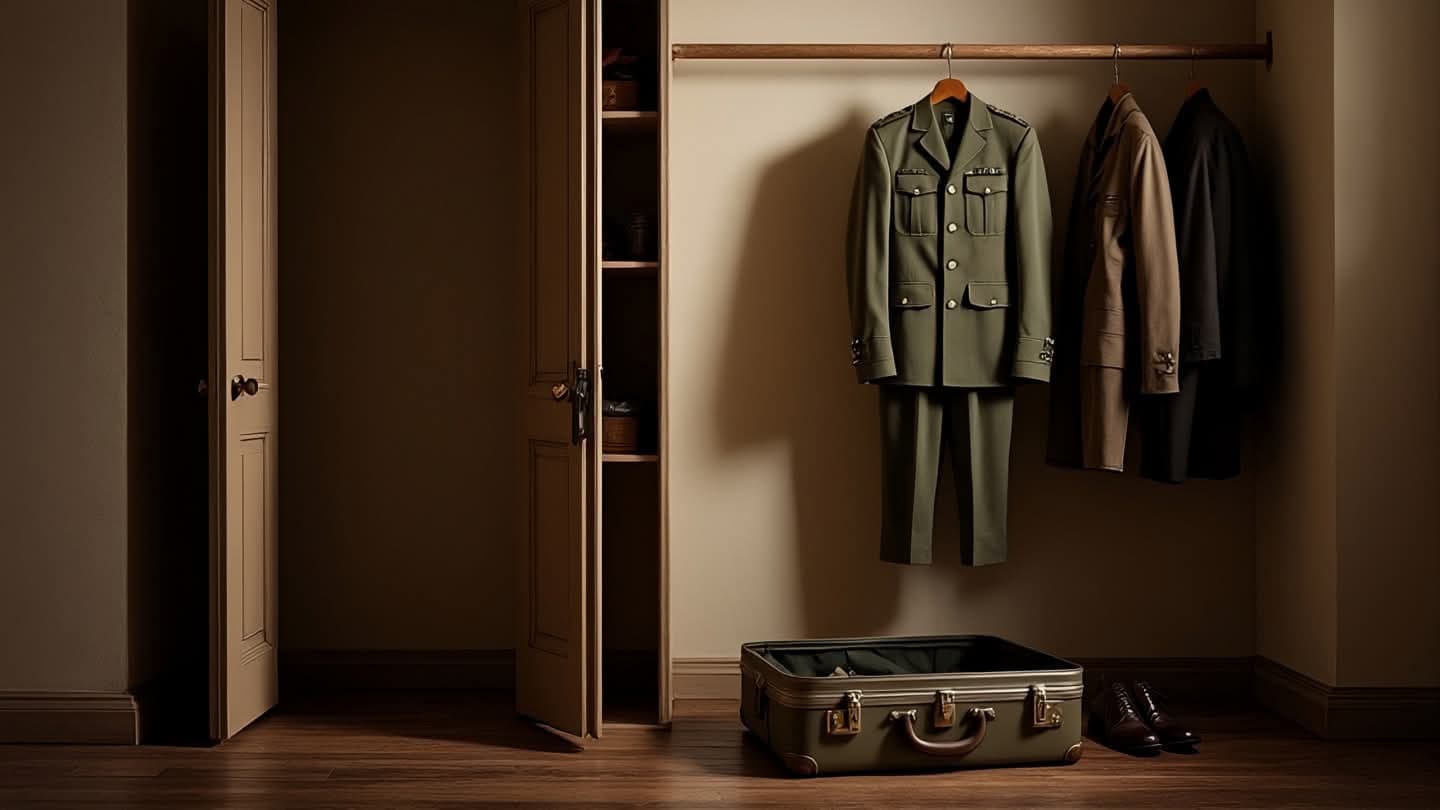
For those who serve in the military, the promise of stability for their families is often part of the unspoken contract of service. It is a belief that sacrifice on the battlefield will be met with security at home. Yet, for Army Sgt. Hedar Leonel Turcios Juarez, that promise has been fractured by the deportation of his wife, Cristy Maryori Villafranca-Trejo, to Honduras. Her removal, following a shift in immigration policy under the Trump administration, highlights the complex and often painful intersection of national security and family unity.
Villafranca-Trejo was detained inside a military base and subsequently deported due to an old in-absentia deportation order. Her husband, an active-duty sergeant, had believed that her status was protected under previous guidelines that prioritized the integrity of military families. However, the recent rollback of these protections has left many spouses in precarious legal positions, vulnerable to enforcement actions that disregard their ties to service members.
The case has drawn attention from advocacy groups and lawmakers who argue that deporting the spouses of active-duty personnel undermines morale and readiness. For soldiers like Sgt. Turcios, the distraction of having a partner removed from the country can have profound effects on their ability to focus on their duties. It is a personal crisis that ripples out into the professional realm, affecting the very institutions tasked with national defense.
Honduras, Villafranca-Trejo’s country of origin, remains a place of significant challenge, with high rates of violence and economic instability. For her, the return is not just a change of location but a step back into uncertainty and potential danger. Her family in the United States is left to navigate the emotional and logistical fallout, seeking ways to maintain contact and support from afar.
The Department of Homeland Security has stated that the enforcement was carried out according to existing laws, emphasizing the importance of adhering to court orders. Yet, critics contend that the spirit of the law should account for the unique contributions of military families. The tension between strict legal interpretation and humanitarian consideration is at the heart of this ongoing debate.
Supporters of the sergeant have launched campaigns to raise awareness and seek a reversal of the decision. They argue that the government has a moral obligation to keep military families together, especially when one member is actively serving. The story has become a symbol of the broader struggles faced by immigrant spouses of service members in a changing political landscape.
As the situation unfolds, the focus remains on the human cost of policy shifts. For Sgt. Turcios and his wife, the separation is a daily reality that challenges their resilience and hope. Their story is a poignant reminder of the individual lives affected by broad legislative changes.
The deportation of Cristy Maryori Villafranca-Trejo serves as a stark example of the challenges facing military families today. As discussions continue, the hope is that a solution can be found that honors both the rule of law and the sacrifices of those who serve.
AI Image Disclaimer: The visual materials associated with this article are AI-generated and serve as illustrative aids rather than factual documentation.
Sources: NBC News ABC News Los Angeles Times The War Horse
Published by Banx Network. This article is part of the Banx decentralized media programme, powered by the BXE token on the XRP Ledger.



.jpg&w=3840&q=75 "Same-Sex Couple Sue Slovakia Over Refusal to Register Their Marriage")