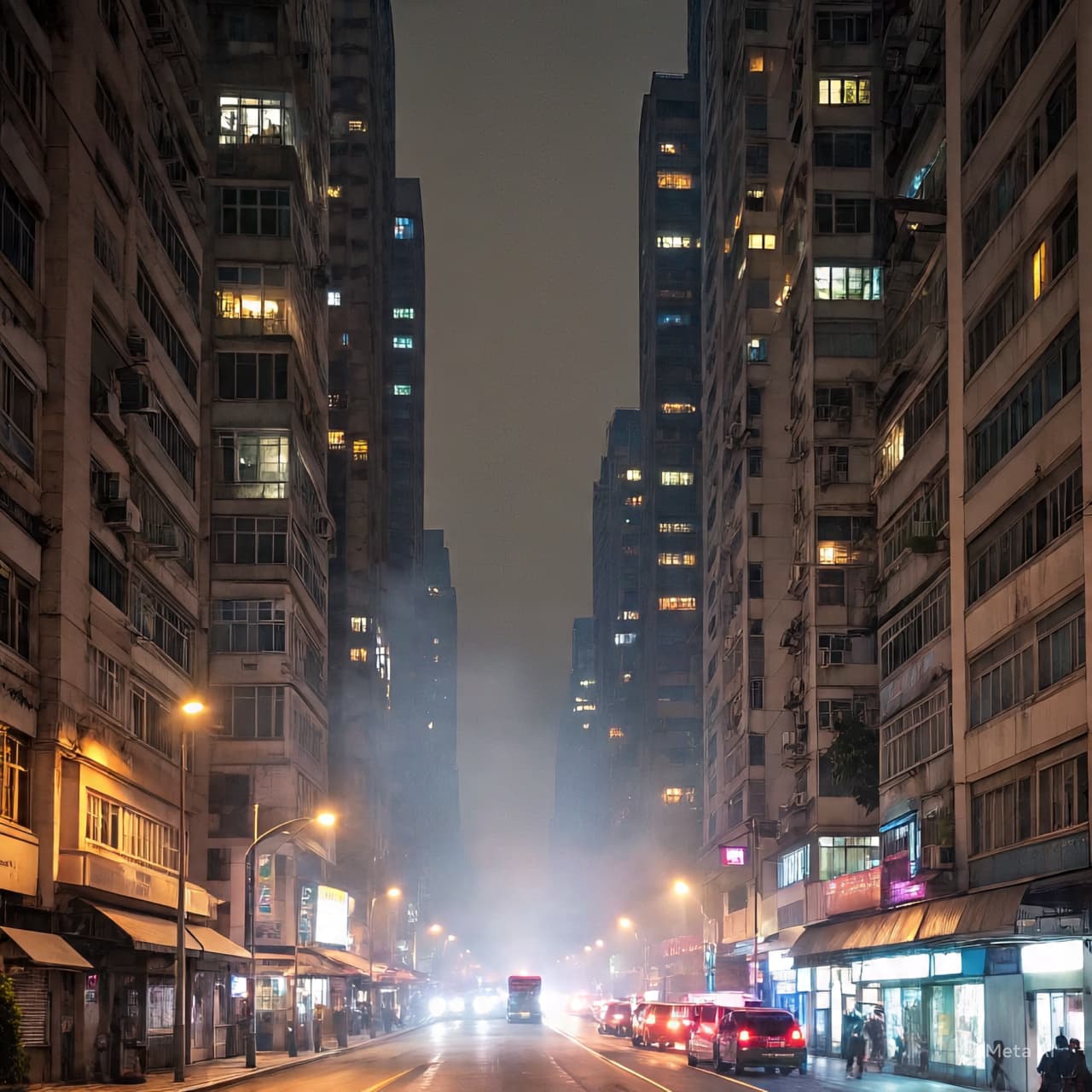
It began as a faint glow behind concrete, the kind of flicker most residents barely notice in a city that never truly sleeps. But in a matter of minutes, that glow became a wall of fire that surged upward through an aging Kowloon apartment block—turning a routine evening into one of the deadliest residential disasters Hong Kong has faced in decades.
Through the night, rescue workers moved with a quiet urgency that made the sirens feel softer than usual. The blaze was contained, then extinguished, yet the real weight of the night lingered in the stairwells and smoke-scarred corridors where dozens of residents were still unaccounted for. By morning, authorities confirmed what many had feared: the death toll had risen to 146.
For a city known for its dense living spaces and relentless pace, the tragedy added a sudden stillness. Families gathered outside the cordoned building, holding belongings left behind in the rush to escape—a slipper, a bag, a phone that would never be answered again. Others clung to rescue personnel for updates, their faces drawn with the exhaustion of hoping.
Officials say early findings point to a structural vulnerability that allowed flames to travel quickly between floors, a problem long noted in older high-rise blocks. Fire Services personnel described the interior as “complex and obstructed,” with narrow communal spaces that trapped smoke faster than they could ventilate it. The government pledged a full investigation and announced that safety checks on similar buildings would be accelerated.
Emergency crews spent the following hours retrieving victims and escorting survivors, some dazed, some silently weeping, from makeshift triage zones. Hospital staff described treating severe smoke inhalation, burns, and trauma injuries from residents attempting to escape through windows and balconies.
The tragedy has prompted renewed debate over building maintenance standards and emergency access in densely packed districts. Community groups, urban safety advocates, and district councillors have quietly called for a reassessment of older living blocks—many of which house multi-generational families and migrant workers.
Across Hong Kong, vigils began forming before sunset, small clusters of candles lining pavements and footbridges. In Mong Kok, commuters stopped to bow their heads as volunteers handed out white flowers. In Central, office workers paused at the news tickers carrying the updated casualty numbers, the daily rush momentarily replaced by remembrance.
Officials continue to update casualty lists as identification efforts proceed. The government says support services will remain on site for as long as needed, and that families of victims will receive assistance with housing and crisis counseling.
It may take days for investigators to piece together the sequence of failures that allowed the blaze to spread so swiftly. But for now, Hong Kong—so accustomed to resilience, so defined by vertical life—finds itself looking upward, toward a building whose darkened windows mark the absence of 146 lives.
Published by Banx Network. This article is part of the Banx decentralized media programme, powered by the BXE token on the XRP Ledger.