
Key Highlights
- Incident:Three suspected informants killed by Barrio 18 gang members.
- Location:Bodies found in San Pedro Sula's industrial district.
- Context:Increased gang violence linked to anti-extortion efforts.
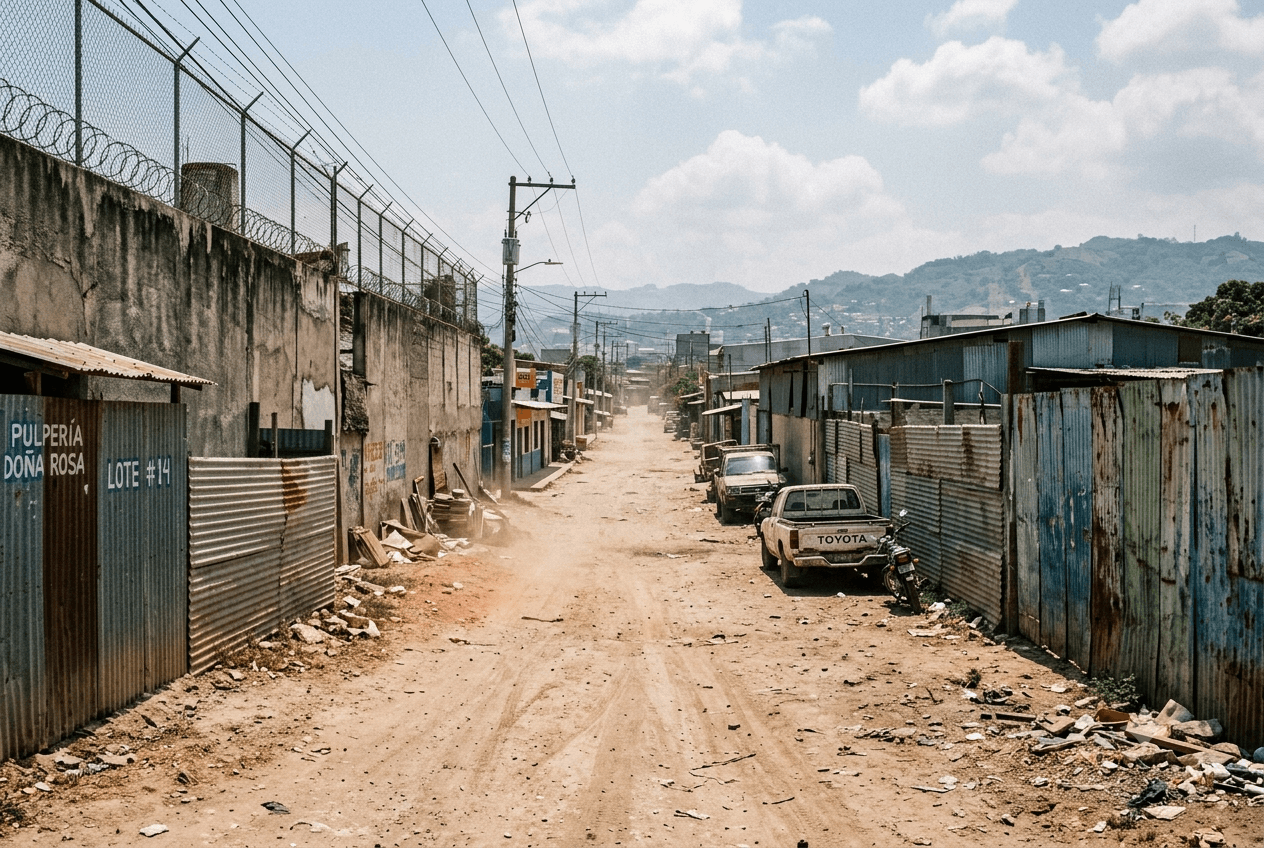
San Pedro Sula, Honduras—In a chilling display of gang violence, armed members of the Barrio 18 criminal organization shot and killed three men in an industrial district early Tuesday morning. The bodies were discovered by morning commuters along a dirt track behind a local assembly plant, each victim showing signs of close-range gunfire. Police investigators believe the victims were specifically targeted due to suspicions that they were cooperating with recent federal anti-extortion operations.
Crime scene technicians recovered over twenty spent rifle casings from the dirt road, indicating a coordinated execution-style hit. Neighbors in the adjacent housing cooperative reported hearing heavy gunfire around three in the morning but refrained from contacting police until sunrise, fearing potential reprisals from the gang. The area remains heavily contested by rival street gangs that control the local drug trade and extort small businesses.
In response to the killings, national police forces launched a massive search operation in the surrounding neighborhoods, deploying armored patrol vehicles and tactical units to secure key intersections. Investigators suspect that the victims were abducted from a nearby residential sector before being transported to the industrial park for execution. Local human rights observers have noted a sharp increase in targeted killings in the neighborhood over the past two months, raising concerns about the safety of residents.
"The gang is trying to completely cut off any flow of information from the community to the state security services," said a local human rights advocate who requested anonymity. He explained that Barrio 18 regularly monitors residents' movements and employs public executions to instill fear and silence within the local population. The triple homicide has effectively paralyzed normal commerce in the immediate sector, with shopkeepers keeping their security shutters closed.
The forensic service completed the recovery of the bodies shortly before noon, transporting them to the local morgue for formal identification and autopsy. Family members of the victims have not yet come forward to claim the remains, a common occurrence in cases involving gang violence due to fears of further retaliation. Local municipal workers are cleaning the blood-soaked dirt track under armed military escort, highlighting the pervasive atmosphere of fear.
In an effort to combat the escalating violence, the national government has dispatched additional military police units to the Sula Valley to support local law enforcement. However, these temporary deployments have historically done little to dismantle the gangs' entrenched territorial control. Residents argue that the state's security strategy remains reactive, failing to protect vulnerable informants or address the economic roots of gang recruitment.
Judicial investigators are currently reviewing security footage from nearby industrial warehouses to identify the vehicles used by the gunmen during their escape. The prosecution service has acknowledged that securing cooperative witness testimony in these neighborhoods is nearly impossible due to the absence of credible witness protection programs.
Despite the presence of military patrols roaming the empty streets of the Rivera Hernandez district, the underlying gang network remains fully operational. Local community leaders predict that violence will continue to escalate unless the federal government alters its approach to neighborhood policing, emphasizing the need for proactive measures to ensure the safety of residents and informants alike.
Published by Banx Network. This article is part of the Banx decentralized media programme, powered by the BXE token on the XRP Ledger.



