There is a particular quiet to a housing crisis in a regional community—a quiet that is not peace but the absence of visible suffering, the way that homelessness in a small town looks different from homelessness in a city. In East Gippsland, a region in Victoria's far east, that quiet is being broken. New data shows that the number of people experiencing homelessness in the region has risen sharply over the past year, driven by a rental market that has tightened beyond the reach of many long-term residents.
The numbers, compiled by the Council to Homeless Persons, show that in the September quarter, 786 people presented to homelessness services in the Gippsland region—a 12 percent increase on the same period last year. Of those, 189 were in East Gippsland alone, up from 153 the previous year. The most common reason for seeking help was housing crisis, followed by family violence and financial difficulties. More than half of those presenting were women, and a significant proportion were children.
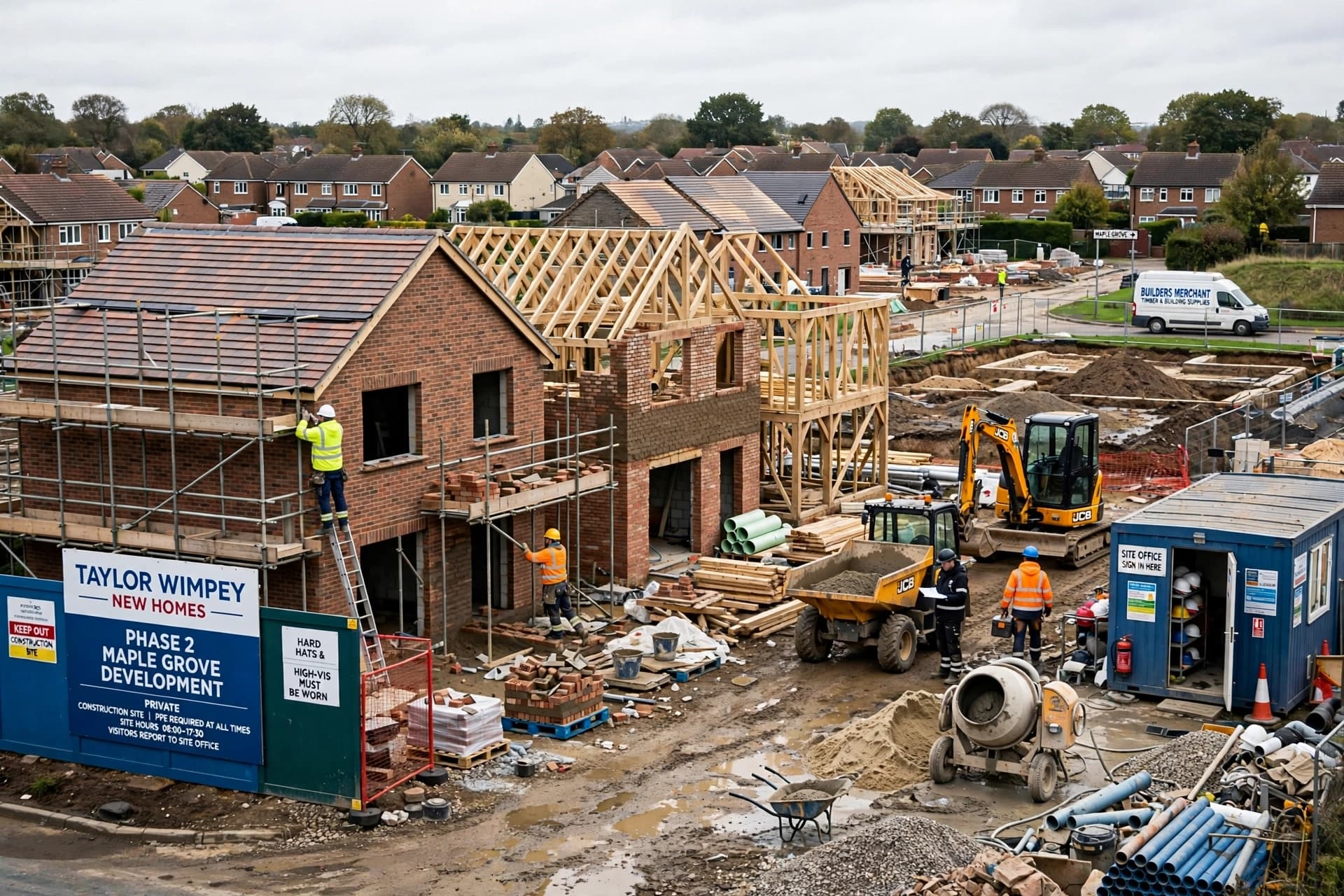
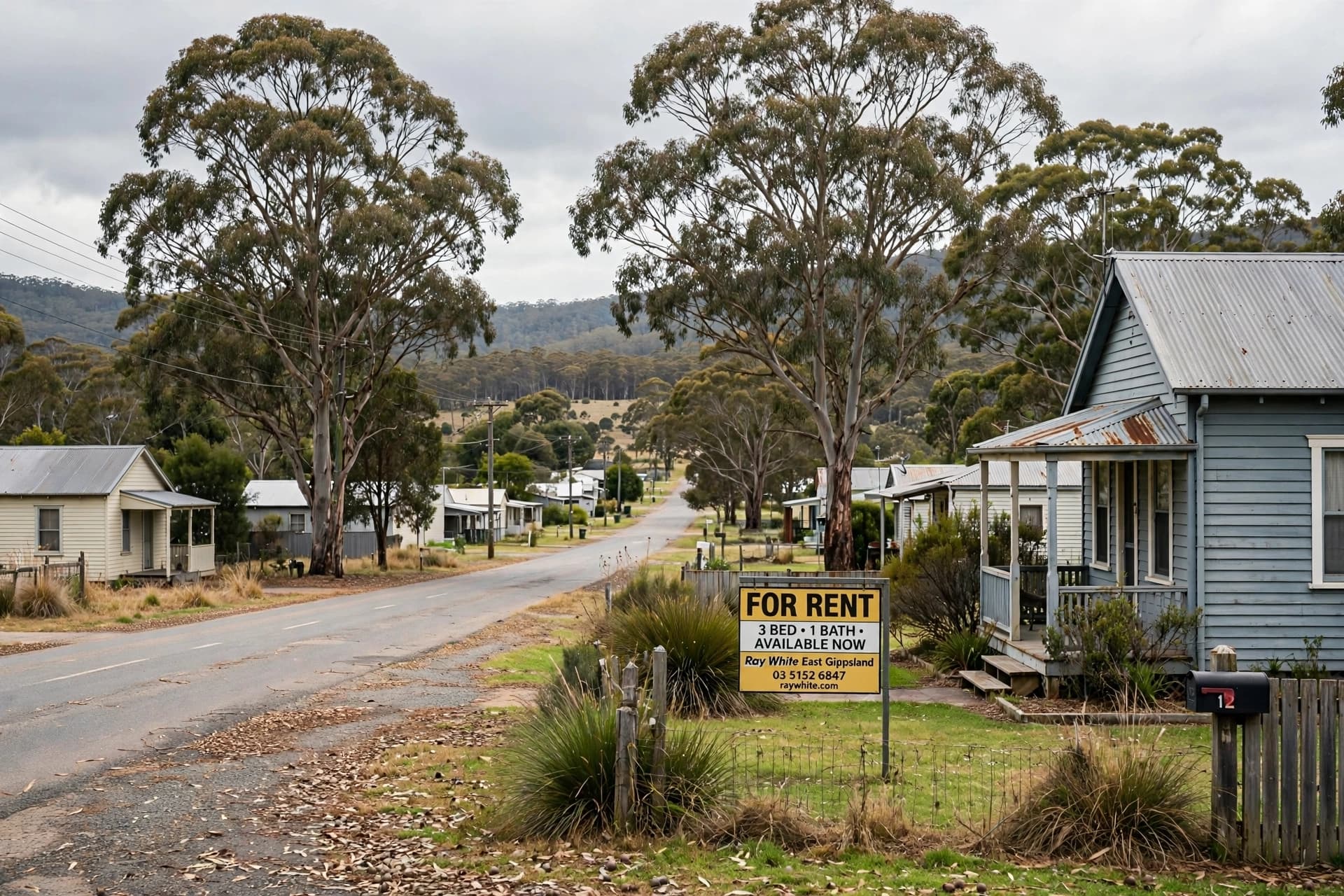
The rental squeeze that has produced this increase is not unique to East Gippsland, but its effects are amplified in a region with limited housing stock and fewer support services. Median weekly rents in the region have risen by more than 20 percent over the past two years, driven by a combination of population growth, limited new construction, and the conversion of long-term rentals to short-stay accommodation. For people on fixed incomes—pensioners, single parents, those with disabilities—the increases have been devastating. A renter in Bairnsdale, the region's largest town, can now expect to pay more than $400 per week for a modest two-bedroom house, a figure that consumes more than half of the median income for a single person on JobSeeker.
The social consequences are visible in the region's schools, where teachers report an increase in students experiencing unstable housing, and in its health services, where practitioners describe the toll of housing insecurity on mental and physical health. The region's homelessness services are stretched, with waiting lists for crisis accommodation and limited capacity for outreach. "We are seeing people who have never accessed homelessness services before," one local provider told the ABC. "They are not the people you might expect. They are working families, older people, people who have lived in the region their whole lives and can no longer afford to stay."
The state government has announced investments in social housing, but the pipeline is slow, and the need is immediate. For now, the rise in homelessness in East Gippsland is a reminder that the housing crisis is not confined to the cities—it has spread to the places people moved to escape it. The numbers will continue to be counted. The people behind them will continue to wait.
AI Image Disclaimer: The visual elements in this article were created using AI generation tools and are intended for illustrative purposes only.
Sources: Australian Broadcasting Corporation, Council to Homeless Persons
Published by Banx Network. This article is part of the Banx decentralized media programme, powered by the BXE token on the XRP Ledger.