Education is often described as a journey, a path that leads from curiosity to understanding, from potential to achievement. For many students in remote Indigenous communities, this journey has historically involved long and arduous commutes, separating them from their families and cultural roots for hours each day. In a significant milestone for the Gitxsan people, three communities now have their own high school, ending years of travel and bringing education closer to home. This achievement is more than just a new building; it is a affirmation of identity, a celebration of resilience, and a step toward self-determination. It invites us to reflect on the power of local empowerment and the importance of culturally relevant education.
For generations, Gitxsan students had to leave their communities to attend high school, often boarding in distant towns or enduring lengthy bus rides. This displacement disrupted family connections and exposed young people to environments that were not always supportive of their cultural identity. The establishment of a local high school allows students to remain within their communities, surrounded by the support of elders, family, and peers. It creates a learning environment that is rooted in Gitxsan values and traditions.
The new school offers a curriculum that integrates standard academic subjects with Gitxsan language, history, and cultural practices. This holistic approach ensures that students do not have to choose between academic success and cultural integrity. Instead, they can excel in both, developing a strong sense of self-worth and belonging. Teachers and elders work together to create a learning experience that is both rigorous and meaningful, honoring the past while preparing for the future.
Community involvement has been central to the project’s success. From planning to construction, local leaders and residents played active roles in shaping the school to meet their specific needs. This ownership fosters a deep sense of pride and investment in the institution. The school is not just a facility provided by external authorities but a creation of the community itself, reflecting their aspirations and priorities.
The impact on student well-being is expected to be profound. Remaining in their home communities reduces stress and isolation, allowing students to focus on their studies and personal growth. Access to local support networks enhances mental health and emotional stability. Furthermore, staying connected to their land and culture provides a strong foundation for identity development, which is crucial for adolescent development.
This development also has broader economic and social implications for the Gitxsan Nation. Educated youth are better equipped to contribute to their communities, taking on leadership roles and driving local initiatives. The school serves as a hub for community activities, fostering intergenerational learning and engagement. It strengthens the social fabric, creating a vibrant and resilient community.
The success of this initiative serves as a model for other Indigenous communities facing similar challenges. It demonstrates the viability and benefits of localizing education, challenging the notion that remote areas must rely on external institutions. By prioritizing local control and cultural relevance, communities can create educational systems that truly serve their people. It is a testament to the power of self-determination.
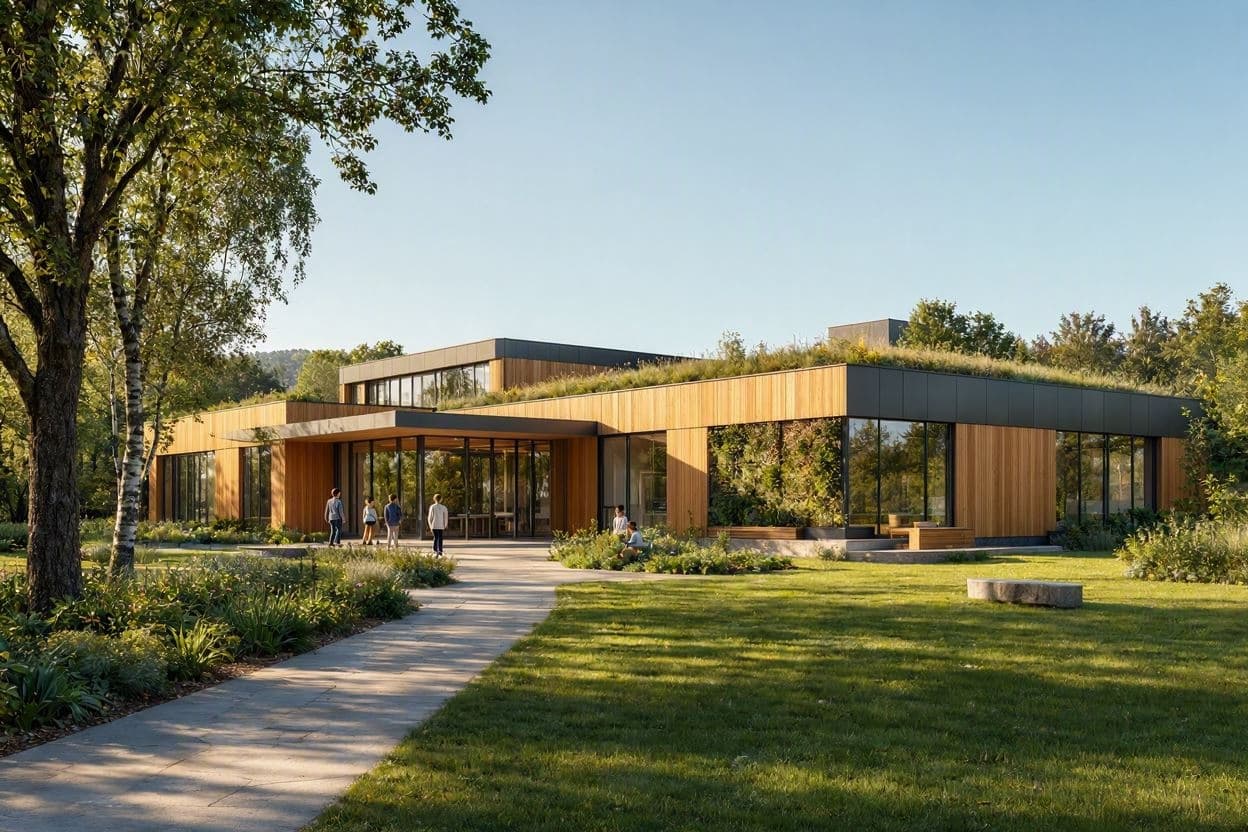
As students walk through the doors of their new high school, they carry with them the hopes and dreams of their ancestors. The building stands as a symbol of progress and perseverance, a tangible result of years of advocacy and effort. It offers a promising future where education and culture walk hand in hand, empowering the next generation to thrive.
The opening of a high school in three Gitxsan communities marks a historic step toward educational sovereignty and cultural preservation. It ends long commutes and brings learning home. Let this achievement inspire further progress in Indigenous education.
AI Image Disclaimer: Please be aware that images used in this context are AI-generated visualizations for illustrative purposes.
Sources: CBC News British Columbia APTN News The Globe and Mail
Published by Banx Network. This article is part of the Banx decentralized media programme, powered by the BXE token on the XRP Ledger.