A quiet marshland stretches along the Georgia coast — salt air drifting over tidal creeks, tall grasses whispering under a gentle breeze, birds wheel above where once laughter and community stirred the air. In the hush of that natural beauty is a memory, heavy but persistent: a story of home, loss, and hope. The land remembers, even if on paper its people have long been uprooted.
For decades, the land known as Harris Neck belonged to 75 Black families — descendants of the formerly enslaved from the Civil War era. By the late 19th and early 20th centuries, the community was thriving: oyster factories at the water’s edge, farms worked and tended, a schoolhouse where children learned, a firehouse to protect, a general store, and the sounds of daily life carried by fishermen, farmers, teachers, and shopkeepers. Their culture was knit of the rhythms of land and tide, anchored in tradition, kinship and resilience — rooted deeply in the heritage of the Gullah Geechee people.
But in the summer of 1942, war altered that quiet coast forever. The federal government, in the name of wartime necessity, seized the land via eminent domain — giving residents only weeks, many just days, to leave. Homes, livelihoods, cemeteries, memories: all erased. Bulldozers ripped through houses, crops were burned, lives uprooted, history erased. The community was scattered in a matter of days; the land soon became a military airfield, and then decades later a national wildlife refuge.
Compensation — where it came — was painfully inadequate. Black landowners were paid significantly less per acre compared to their white counterparts, even though the law required “just compensation.” Families lost not just property, but identity, history, generational roots. Elders who remembered the laughter of children learning in crumbling classrooms, morning tides, evening prayers — all were silenced in a sweep of government orders, institutional force, and time.
For decades, silence reigned. The trees grew over foundations; empty marshland replaced oyster factories; the sounds of daily life were replaced by the quiet of birds and the rustle of marsh grass. But the memory endured. As generations passed, descendants of those displaced carried with them what remained — names, stories, longing, and a flickering hope to one day return.
Then, slowly, a movement began. In 2005, a group of descendants formed the Harris Neck Land Trust, aiming to preserve the history of the community, research ownership records, locate descendants, and lobby for restitution — or at least recognition. In 2019, another group, Direct Descendants of Harris Neck Community (DDHNC), emerged with renewed energy, determined to bring visibility to the lost community, its legacy, and its rightful claim to home.
Today, the descendants and their organizations seek to reclaim a portion of the land — around 500 acres — where they envision restoring a semblance of their former community: rebuilding a homestead in Gullah Geechee tradition, reestablishing small businesses, reviving crafts like sweetgrass basket weaving, opening the old school, honoring the gravesites, and creating a living memory of what once was. Tours, commemorations, historical markers and QR-code audio guides stand as small but powerful acts of resistance — insisting that this story not be forgotten.
Yet the road back is fraught with obstacles. The land is managed today as the Harris Neck National Wildlife Refuge, under the control of federal wildlife authorities — and past legal efforts by descendants to reclaim ownership have failed. A 1980 lawsuit attempted to persuade the courts to return the land; a federal judge ruled that only Congress could offer redress, effectively blocking judicial remedy. Since then, despite small symbolic victories — like a 2020 memorandum of understanding with the wildlife service acknowledging the community’s history — no significant return of land has occurred.
For older members of the displaced community and their descendants, the loss is not simply property — it is identity, heritage, belonging. Walking back onto the land today — overgrown marshes, silent woods, gravestones lost in tangle — is bittersweet. One descendant described the feeling: “to just be able to walk on that property, to feel complete,” even if it was only for a moment.
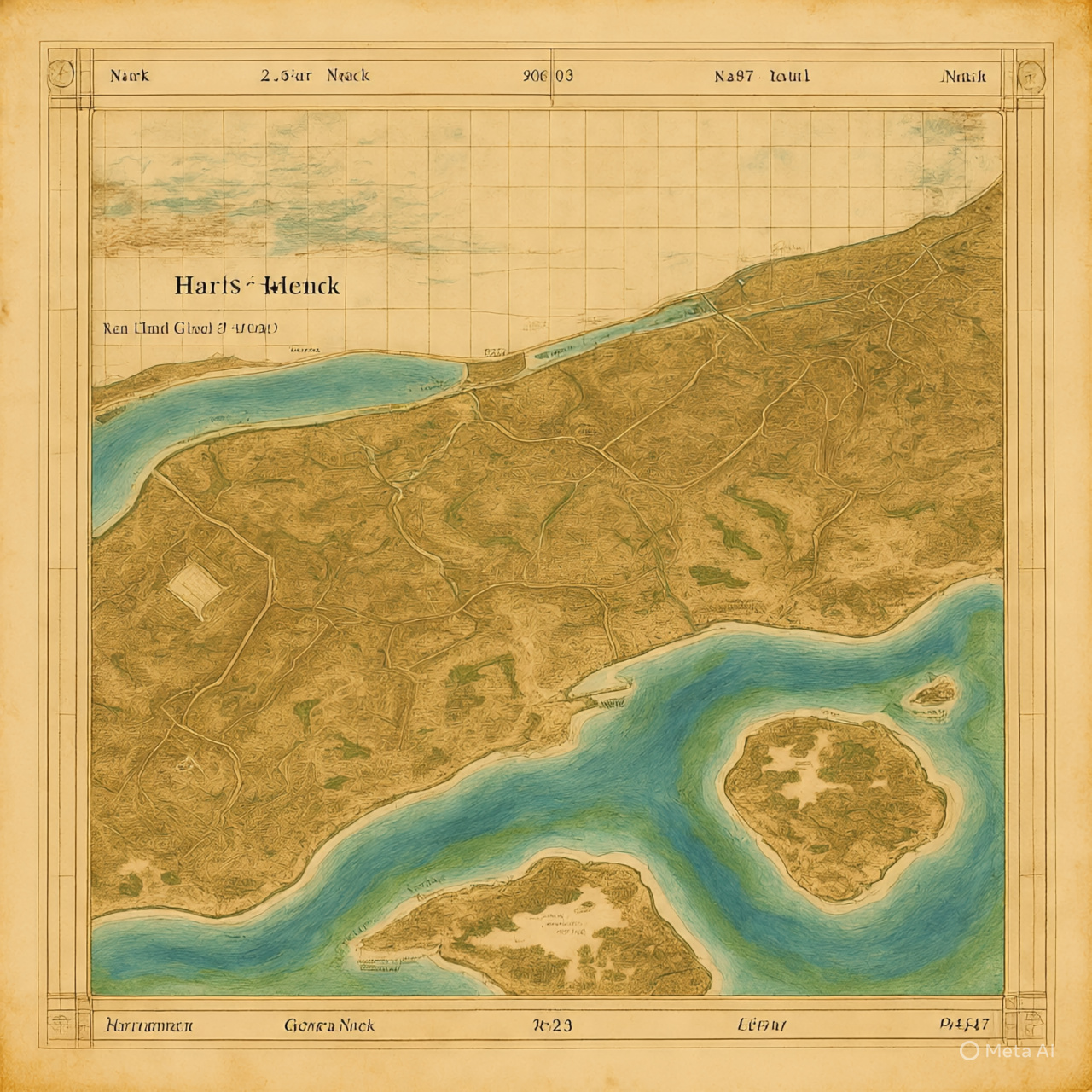
Even as the fight continues — through lobbying, commemoration, outreach — there is no guarantee of return. Political headwinds have shifted over decades; federal resistance to widespread land restitution remains entrenched. Yet hope endures. People still gather each year to honor the 1942 displacement, to tell the story, to hold the map in their minds and hearts — believing that memory can outlast erasure.
In a time when land means so much — roots, legacy, identity — the story of Harris Neck stands as a poignant reminder. Not every wound is healed with time; some demands justice, recognition, restoration. And for those descended from Harris Neck, every footprint through the marsh, every spoken name, every recorded story is part of that fight — a fight not just to go home, but to make sure “home” is never forgotten.
AI Image Disclaimer: Visuals are created with AI tools and are not real photographs.
Sources (media names): The Guardian, Harris Neck Land Trust, Facing South, WABE / NPR
Published by Banx Network. This article is part of the Banx decentralized media programme, powered by the BXE token on the XRP Ledger.