In the heart of the holiday season — that time of homecomings, market bustle and hopeful reunions — an unseen burden sits heavily on many travellers and traders: the queues, costs and delays brought about by frequent checkpoints on key roads. For countless families and merchants in parts of southern Nigeria, what might have been an easy journey towards celebration has become instead a slow progression that chips away at both time and savings.
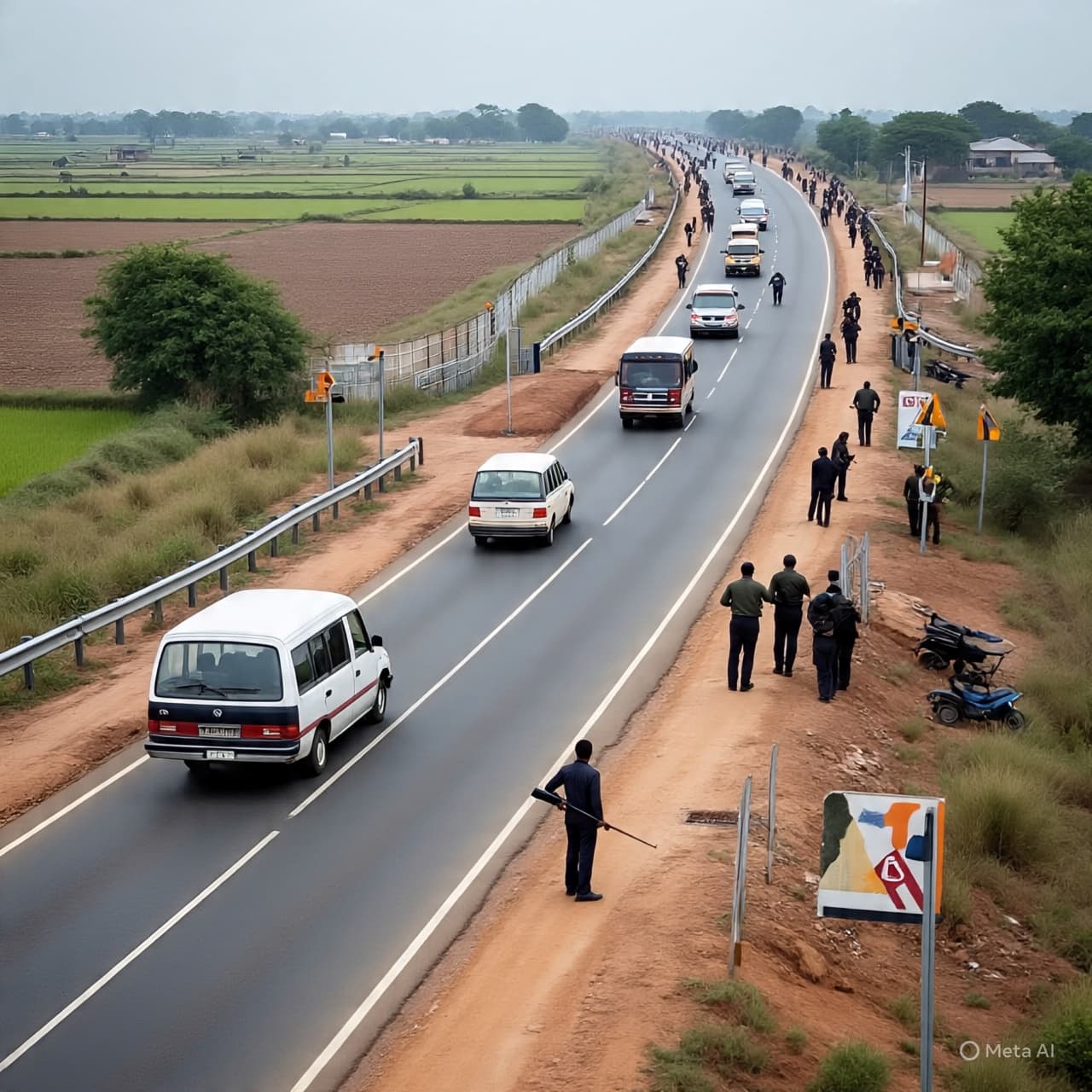
In the South-East, where vehicles moving between cities traditionally surge over year-end celebrations, motorists and commercial drivers report an unrelenting presence of security checkpoints. Some roads are said to be dotted with dozens of stops over relatively short distances, where uniformed personnel — ranging from police to military and other agencies — halt vehicles with varying degrees of formality. These barriers disrupt travel, prolong journeys and, in many cases, function less like security posts and more like unofficial toll gates.
For residents, the practical consequences are tangible. Trapped in lines of vehicles inching toward their destinations, travellers on routes from Owerri to Aba, Enugu to Port Harcourt, and beyond have described delays of hours that should instead take minutes. Drivers and passengers alike lament that these slowdowns impose not just a tax on time but also on wallets, as higher transportation costs are reflected in ticket fares and the final price of goods brought to market.
Underneath the surface of these delays is another strain: the cost borne by traders and farmers whose livelihoods depend on moving produce efficiently and affordably. A recent investigation across major Nigerian highways found that extortion at checkpoints — described by those on the road as routine “settlements” or unreceipted charges — can total thousands of naira on a single trip. Although often rationalised as part of security efforts, many drivers say their only recourse is to pay to avoid lengthy detention or inspection, and these costs inevitably seep into the prices consumers pay at markets.
These hidden levies do more than lengthen travel time; they act as indirect taxes on food supply chains. Research has shown that checkpoint exactions — formal or informal — increase transport costs, which in turn are passed on to buyers at destination markets. Across some corridors in West and Central Africa, exactions at border and internal checkpoints have been estimated to add a significant percentage to the price of basic commodities — a factor that becomes especially visible during holidays when demand rises.
The consequences ripple beyond transport. Traders say that heightened costs at checkpoints contribute to inflation-like pressure on staple goods, compounding existing concerns about affordability during festive seasons. Customers arriving at markets expect cheer, but some are met instead with price tags that reflect the cumulative cost of movement — from fields and factories to the markets themselves.
Authorities sometimes defend checkpoints as necessary for security and contraband control. Yet travellers and road users often feel caught between intentions and practice, where the presence of uniformed personnel can feel more like a financial obstacle course than a protective measure. Calls from civic groups and market associations for better oversight and fewer unnecessary stops have grown louder, even as holiday travel peaks strain infrastructures.
In the slow advance toward festive destinations, the spirit of the season — once measured in laughter, shared meals and warm reunions — risks being measured instead in hours stalled and naira spent. Amid rising costs and gridlocked routes, the goodwill of the holidays must stretch a little further, embracing not only the joy of celebration but the patience and resilience of those whose journeys to it are anything but smooth.
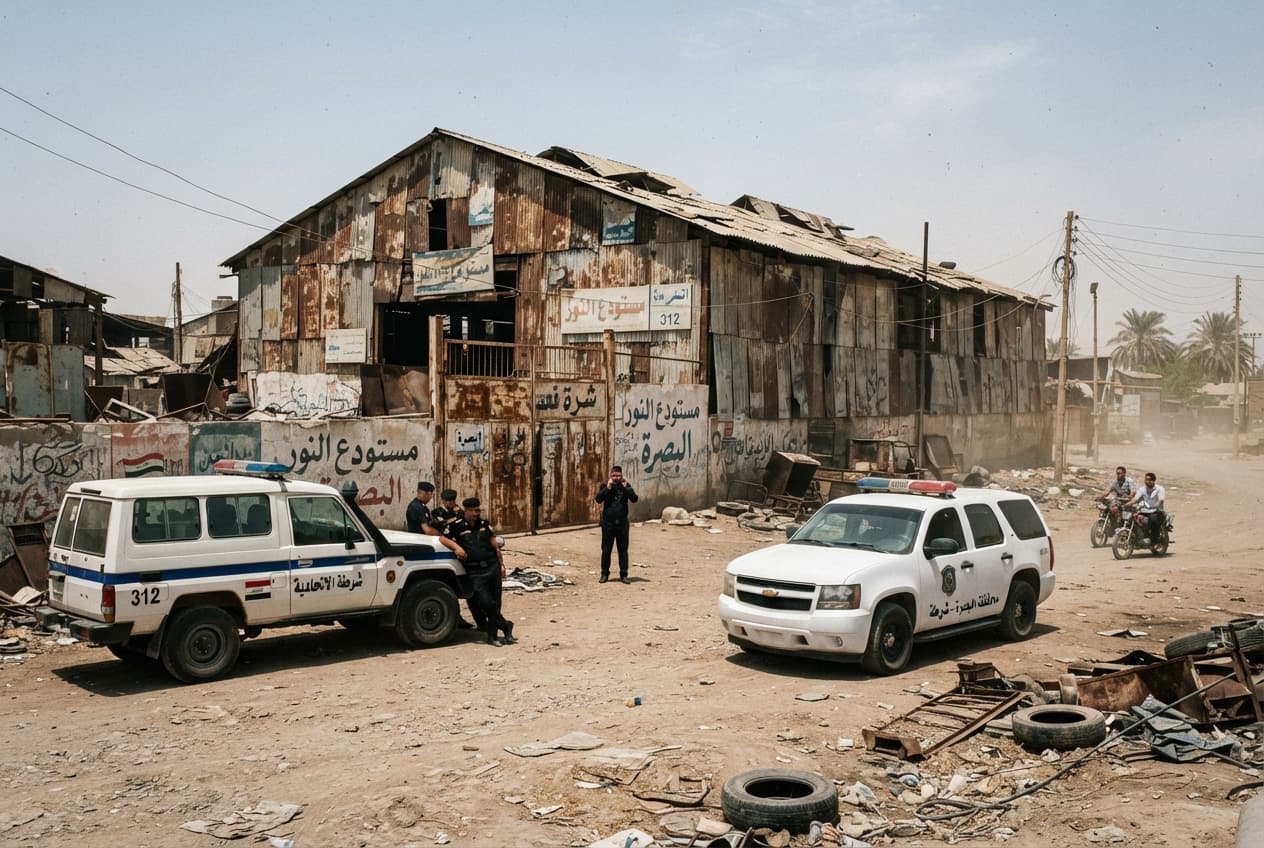
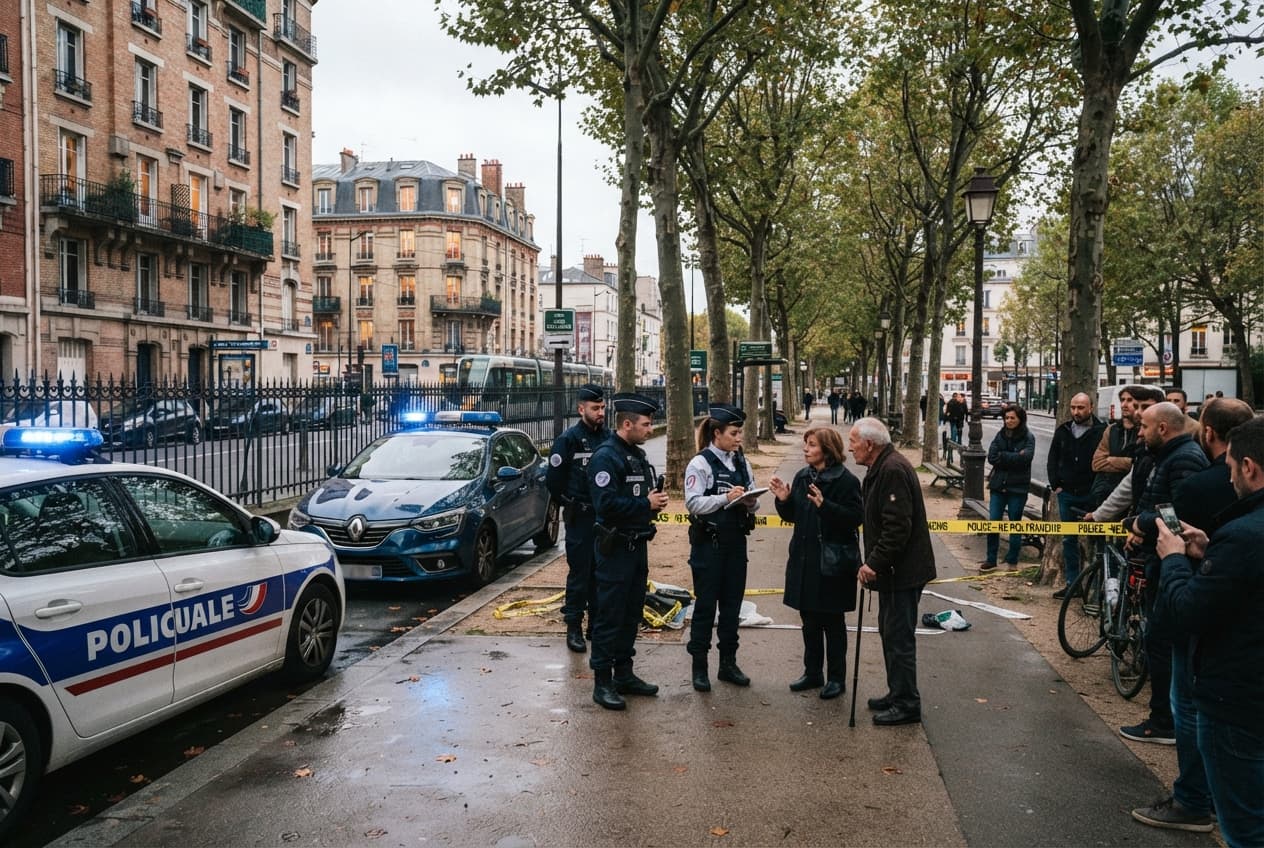
AI Image Disclaimer “Visuals are created with AI tools and are not real photographs, intended for concept illustration only.”
Sources AllAfrica – Security checkpoints still litter roads in South-East Nigeria, including extortion complaints. Premium Times – Highway extortion fuels rising food prices and transport costs on Nigerian roads. PunchNG – Commuters lament fare hikes and delays due to multiple checkpoints during holiday travel. DIIS Research – Checkpoint exactions contribute to transport costs and prices in affected regions.
Published by Banx Network. This article is part of the Banx decentralized media programme, powered by the BXE token on the XRP Ledger.